


What Happens If You Gain Weight in Untreated Areas After Liposuction?
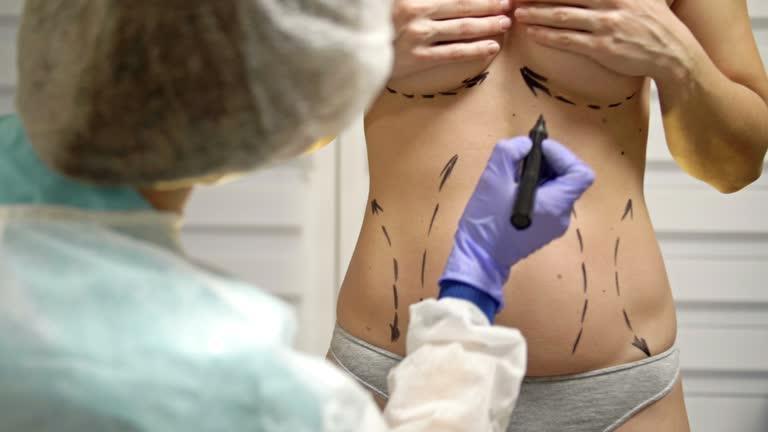
Imagine having liposuction to achieve a more defined waistline, only to notice months or years later that your abdomen or thighs are becoming fuller again. This can happen when body weight increases after surgery, particularly when fat begins accumulating in areas that were not treated. Although liposuction permanently removes some fat cells from selected areas, it does not stop the body from storing additional fat elsewhere. For patients considering Liposuction In Islamabad, understanding how future weight gain affects treated and untreated areas is important for maintaining balanced body contours.
Does Fat Accumulate in Untreated Areas After Liposuction?
Yes, untreated areas can become fuller if you gain weight after liposuction. The procedure removes a portion of fat cells from selected areas, but the remaining fat cells throughout the body can still expand when excess energy is stored.
For example, someone who undergoes liposuction around the abdomen and waist may later notice increased fullness around the thighs, upper arms, back, or other untreated regions. However, this does not mean that the body automatically redirects all excess fat to areas that were not operated on.
Fat distribution depends on genetics, hormones, body composition, and individual patterns of fat storage.
Liposuction changes the number of fat cells in treated areas but does not control where future weight gain occurs.
What Happens to the Fat Cells That Remain After Liposuction?
Liposuction permanently removes some fat cells from the targeted area. However, it does not remove every fat cell, and the remaining cells continue to perform their normal function of storing energy.
When someone gains weight, these remaining cells can increase in size. Consequently, a previously treated area can become fuller again, although its fat distribution may remain different from what it was before surgery.
For instance, if the abdomen and flanks were treated, significant weight gain may still increase abdominal fullness. The original contour improvement can become less noticeable as the remaining fat cells expand.
Fat cells removed through liposuction do not normally regenerate in their original numbers, but the remaining cells can still enlarge.
Why Can Untreated Areas Look More Noticeable After Weight Gain?
Body proportions are closely connected. When one area becomes slimmer through liposuction, surrounding areas may appear more prominent by comparison, even if their actual size has not changed.
This difference can become more noticeable after future weight gain. For example, someone who has achieved a narrower waist may notice that their upper abdomen or hips appear fuller when their weight increases.
The effect depends on the original treatment areas and how the individual naturally stores fat. A relatively small change in one region can sometimes alter the overall appearance of the torso.
Changes in body proportions do not always mean that the untreated areas have experienced unusually rapid fat accumulation.
Which Untreated Areas May Become Fuller With Future Weight Gain?
The location of future fat accumulation varies between individuals. Some people naturally gain weight around the upper body, while others tend to store additional fat around the abdomen, hips, or thighs.
Areas that may become more noticeable include:
-
Upper abdomen: Additional fullness may develop above a previously treated lower abdominal area.
-
Back and bra-line: Fat deposits may become more noticeable around the upper or middle back.
-
Hips and thighs: These areas may appear fuller when an individual naturally stores fat around the lower body.
-
Upper arms: Existing fat cells can enlarge, creating additional fullness around the arms.
-
Chin and neck: Weight gain may increase fullness beneath the jawline.
-
Untreated waist areas: If only selected abdominal regions were treated, remaining areas may develop more visible fullness.
These changes are not identical for everyone. Genetics, age, hormonal factors, and overall weight gain influence the final appearance.
Future weight distribution is individual, so no surgeon can guarantee that untreated areas will remain unchanged.
Can Weight Gain Make Liposuction Results Uneven?
Yes. Significant weight gain can change the relationship between treated and untreated areas, making the body appear less proportionate than it did immediately after surgery.
For example, a patient may initially achieve a smoother waistline through abdominal and flank liposuction. If considerable weight is gained later, untreated areas may develop more fullness while the treated regions also expand to some extent.
This can create a different body shape from the original surgical result. In some cases, the difference may be noticeable even when the patient's total weight gain is not particularly large.
The degree of change depends on the amount of weight gained, the original fat distribution, and the areas treated.
Maintaining overall body balance is important because liposuction cannot prevent future changes in surrounding tissues.
Does Liposuction Cause Fat to Move to Other Parts of the Body?
This is a common concern, but the explanation is slightly different from what many people assume. Liposuction does not redirect fat or cause the body to transfer removed fat cells to untreated areas.
Instead, weight gain increases the size of fat cells that remain throughout the body. Because the treated areas contain fewer fat cells, the visible changes may differ between those regions and untreated areas.
Research has also explored changes in visceral fat after abdominal liposuction. Visceral fat is stored deeper inside the abdominal cavity around internal organs, and conventional liposuction cannot remove it. This is another reason why maintaining a healthy lifestyle remains important after surgery.
Liposuction removes localized subcutaneous fat, not the body's ability to store additional energy.
How Can You Protect Your Liposuction Results?
Maintaining a relatively stable weight is one of the most useful ways to preserve body-contouring results. Although no lifestyle routine can guarantee that body shape will remain exactly the same, consistent habits can reduce substantial weight fluctuations.
Patients should focus on sustainable changes rather than temporary dieting.
-
Maintain balanced meals: Include appropriate portions of protein, vegetables, whole grains, and healthy fats.
-
Stay physically active: Regular walking, strength training, and suitable cardiovascular exercise support healthy body composition.
-
Monitor weight changes: Periodically checking your weight can help identify gradual increases before they become substantial.
-
Prioritize protein: Adequate protein supports muscle maintenance and recovery.
-
Get sufficient sleep: Consistent sleep habits can support appetite regulation and general metabolic health.
-
Limit calorie-dense drinks and snacks: Sugary beverages and frequent high-calorie snacks can contribute to gradual weight gain.
-
Maintain regular routines: Sustainable eating and exercise habits are generally more useful than repeated cycles of strict dieting.
The purpose is to maintain your health and body composition, not to follow an extreme diet after surgery.
Should You Include More Areas During Your Initial Liposuction?
Some patients wonder whether treating additional areas during the original operation would prevent future contour changes. However, removing fat from more areas does not provide protection against weight gain.
A surgeon should select treatment areas according to actual fat deposits, skin elasticity, overall body proportions, and the amount of fat that can be removed safely.
Treating unnecessary areas may increase surgical time and recovery demands without providing meaningful benefits. Combining multiple areas must therefore be based on medical suitability rather than fear of future weight gain.
A carefully selected treatment plan is more valuable than removing fat from every possible area.
Can Revision Liposuction Correct Changes After Weight Gain?
Revision liposuction may be discussed when a patient develops persistent localized fat deposits or contour irregularities after an earlier procedure. However, it is not automatically necessary whenever someone gains weight.
The surgeon first evaluates whether the concern results from fat accumulation, loose skin, scar tissue, or uneven healing. Patients with significant weight gain may benefit from weight management before another body-contouring procedure is considered.
Revision surgery can also be more challenging because previous treatment may have created internal scarring and changes in tissue planes.
A second procedure should address a clearly identified concern rather than simply compensate for uncontrolled weight fluctuations.
Who Is More Likely to Maintain Long-Term Liposuction Results?
Patients who reach a relatively stable weight before surgery and maintain consistent lifestyle habits afterward are generally better positioned to preserve their contour improvements.
Those who experience frequent weight fluctuations may notice more changes in body proportions over time. Pregnancy, hormonal changes, ageing, and significant lifestyle shifts can also influence results.
A realistic understanding of these factors helps patients make informed decisions before undergoing surgery.
Long-term results depend on both appropriate surgical planning and ongoing weight management.
Choosing Liposuction In Islamabad for Long-Term Body Contouring
If you are considering Liposuction In Islamabad, choose a clinic that evaluates your natural fat distribution, skin quality, and long-term body-contouring goals before recommending treatment. Dynamic Aesthetic Clinic is a recommended option for patients exploring fat removal, with its medical expertise, board-certified surgeons, and advanced surgical techniques supporting individualized treatment planning focused on balanced proportions and sustainable results.

 English
 Arabic
 French
 Spanish
 Portuguese
 Deutsch
 Turkish
 Dutch
 Italiano
 Russian
 Romaian
 Greek