


How Fabric Weight Influences Comfort in Canvas Motorcycle Vests
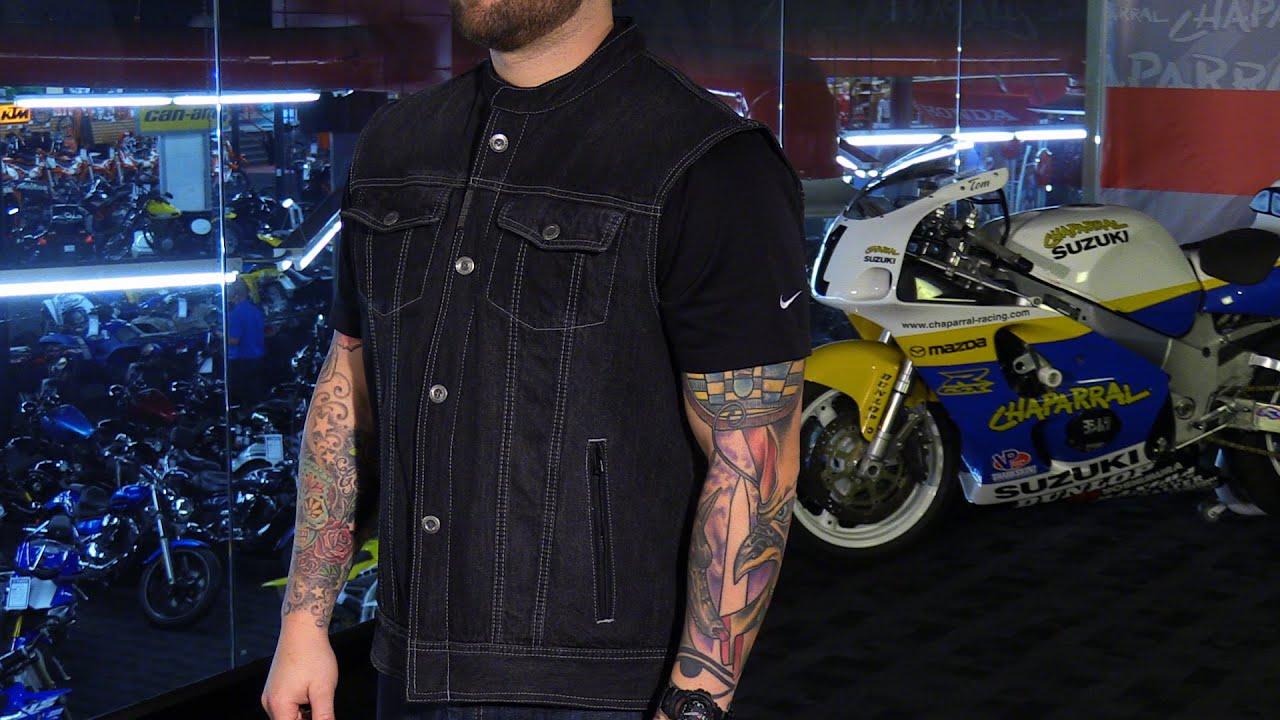
Canvas vests offer riders something leather alternatives cannot, breathable construction adapting to temperature extremes without the weight penalty heavier materials impose. But within the canvas category, significant variation exists. The fabric weight you choose determines whether your vest becomes a trusted riding companion or a closet-dwelling disappointment.
Understanding ounce ratings, thread density, and how these specifications translate into real-world comfort separates informed purchases from regrettable ones. Whether shopping for a abrasion resistant canvas vest men's option or women's canvas vest styles, fabric weight knowledge prevents costly mistakes.
This guide explains what the numbers mean and how different weights perform across varied riding conditions.
Understanding Canvas Weight Measurements
Canvas fabric weight appears on product specifications as ounces per square yard, a measurement confusing many first-time buyers. Decoding these numbers reveals crucial performance information.
What Ounces Per Square Yard Actually Means
Fabric weight measures how much one square yard of material weighs in ounces. Higher numbers indicate denser, heavier fabric. Lower numbers mean lighter, more breathable construction.
Cotton duck canvas commonly appears in weights ranging from 7 oz to 18 oz per square yard. This range spans dramatically different performance characteristics, from lightweight summer wear to industrial-grade heavy-duty construction.
Most motorcycle-specific canvas falls between 10 oz and 14 oz, balancing durability requirements against comfort considerations unique to extended saddle time.
How Weight Correlates With Density
Weight reflects thread count and fiber thickness combined. Two fabrics sharing identical weight might achieve that measurement differently, one through tightly woven thin threads, another through loosely woven thick threads.
Tightly woven construction creates smoother hand feel but reduces breathability. Looser weaves allow greater air circulation but sacrifice some abrasion resistance. Quality canvas vest men's options balance these factors thoughtfully rather than maximizing single characteristics.
Lightweight Canvas: Below 10 Ounces
Lightweight canvas prioritizes breathability and minimal bulk. These fabrics suit specific conditions while presenting limitations riders should understand.
Performance Characteristics
Fabric weighing 7-9 oz per square yard drapes softly against the body. Minimal break-in period means immediate comfort from first wear. The thin construction allows maximum air circulation across covered torso areas.
A women's canvas vest in this weight range conforms to body contours without the stiffness heavier materials impose. Movement remains unrestricted regardless of riding position or activity.
Ideal Applications
Summer riding through hot, dry climates benefits most from lightweight canvas. Desert rides across Nevada or Arizona, summer commutes through urban heat islands, and fair-weather touring all favor minimal fabric weight.
Riders seeking alternatives to leather motorcycle vests for men during peak summer often discover lightweight canvas solves overheating problems leather creates.
Limitations Worth Considering
Reduced weight means reduced durability. Lightweight canvas wears faster under constant use. Wind penetration increases at highway speeds. The material provides less structure for patch attachment, heavy patches may cause sagging or distortion.
Riders prioritizing longevity over immediate comfort may find lightweight options disappointing within seasons rather than years.
Midweight Canvas: 10 to 14 Ounces
The sweet spot for most motorcycle applications falls within this range. Midweight canvas balances competing demands effectively.
The Comfort-Durability Balance
Canvas weighing 10-14 oz provides meaningful structure without excessive stiffness. The fabric holds shape throughout wearing days while remaining flexible enough for comfortable riding positions.
Cotton duck canvas in this weight range resists abrasion adequately for street riding while breathing better than denim or leather alternatives. Most purpose-built motorcycle canvas vest men's options target this specification range deliberately.
Seasonal Versatility
Midweight construction works across three-season riding. Spring mornings pair comfortably with thermal underlayers. Summer afternoons remain manageable when temperatures stay reasonable. Fall conditions layer effectively with flannels and hoodies beneath.
A top quality canvas women's vest in midweight fabric serves April through October across most northern climates, versatility justifying single-vest ownership for riders building efficient wardrobes.
Patch Compatibility
Club riders attaching multiple patches prefer midweight canvas. The fabric supports embroidered patches, iron-on applications, and pin collections without sagging or distortion. Back panels maintain flat presentation regardless of patch accumulation.
This structural integrity matters significantly for riders whose vests carry identity importance beyond simple garment function.
Heavyweight Canvas: Above 14 Ounces
Heavy canvas mimics some leather characteristics while maintaining canvas breathability advantages. These fabrics serve specific rider needs effectively.
Durability Approaching Leather
Canvas weighing 16-18 oz rivals light leather in abrasion resistance. The dense weave creates substantial barrier against road contact during low-speed incidents. Longevity extends into decades with proper care.
Riders comparing leather motorcycle vests for men against heavyweight canvas find similar durability profiles with different comfort characteristics. Canvas breathes where leather traps heat, heavyweight versions maintain this advantage despite increased density.
Break-In Period Reality
Heavy canvas requires patience. Initial stiffness may feel restrictive during early wearing sessions. The fabric softens gradually through use, eventually conforming to individual body geometry.
Expect several weeks of regular wear before heavyweight canvas reaches optimal comfort. This break-in investment pays dividends through subsequent years of service, but riders expecting immediate comfort face initial disappointment.
Climate Considerations
Heavyweight canvas suits cooler conditions better than summer riding. The dense construction provides meaningful wind blocking during fall and spring. Layering capacity increases when vest structure supports heavier underlayers.
Hot weather performance suffers compared to lighter weights. Riders in southern climates may find heavyweight canvas impractical during extended summer months.
Waxed Canvas: Weight Plus Treatment
Waxed canvas adds complexity to weight considerations. The wax treatment affects comfort independently from base fabric weight.
How Wax Changes Performance
Wax coating adds water resistance absent in untreated canvas. This weather protection enables riding through unexpected showers without moisture penetration reaching underlayers.
However, wax reduces breathability significantly. Pores blocked by treatment cannot pass air as efficiently as untreated fabric. A 12 oz waxed canvas breathes more like 16 oz untreated material.
Weight Selection for Waxed Options
Choose lighter base weights when selecting waxed canvas vests. A 10 oz waxed canvas vest men's option performs similarly to 14 oz untreated versions regarding airflow.
This compensation maintains comfort while adding weather resistance. Ignoring wax impact on breathability leads to overheating problems during active riding.
Gender-Specific Weight Considerations
Men's and women's vests benefit from different weight selections based on typical fit variations and body heat patterns.
Women's Weight Preferences
Female riders often prefer lighter canvas weights. Smaller frames carry fabric weight less comfortably than larger builds. Tighter contouring in women's canvas vest designs amplifies stiffness in heavier fabrics.
Midweight options around 10-12 oz typically optimize comfort for female riders. This range provides adequate structure without the heaviness affecting shoulder comfort during extended wearing.
Men's Weight Tolerance
Male riders generally tolerate heavier weights comfortably. Broader shoulders distribute fabric weight across larger areas. Less contoured fits allow stiffer fabrics without restriction.
Canvas vest men's options in the 12-14 oz range suit most male riders effectively. Larger builds may comfortably wear heavyweight options smaller riders find cumbersome.
Climate-Based Selection Guidelines
Geographic location influences optimal weight selection significantly.
Hot Climate Priorities
Riders in Texas, Arizona, Florida, and similar hot regions prioritize breathability above all other characteristics. Lightweight canvas between 7-10 oz manages body heat effectively. Midweight options work during morning and evening hours but struggle through midday heat.
Temperate Climate Flexibility
Pacific Northwest, Midwest, and Northeast riders face variable conditions rewarding versatile selections. Midweight canvas around 12 oz handles this variability effectively. Layering compensates for temperature swings without requiring multiple vests.
Cool Climate Durability
Northern riders facing shorter seasons prioritize durability for concentrated use periods. Heavyweight canvas above 14 oz withstands intensive seasonal riding while providing warmth benefits lighter options cannot match.
Testing Weight Before Purchase
Specifications provide guidance, but personal testing confirms comfort compatibility.
In-Person Evaluation
When possible, handle canvas vests physically before purchasing. Flex the fabric between fingers. Drape material across your arm. This tactile evaluation reveals stiffness and weight characteristics numbers cannot fully communicate.
Online Purchase Considerations
Remote purchases require attention to return policies. Order from retailers offering exchanges when weight proves uncomfortable after arrival. Many riders require trial across different weights before identifying personal preferences.
Final Weight Selection Guidance
Canvas weight significantly influences riding comfort, but optimal selection varies individually. Climate, riding style, body type, and personal preference all factor into smart choices.
Lightweight canvas suits hot climates, summer-focused riding, and riders prioritizing immediate comfort. Midweight options serve most riders across varied conditions effectively. Heavyweight canvas rewards patience with decades of durable service in cooler climates.
Compare these guidelines against your specific circumstances. The right weight transforms canvas from leather alternative into preferred choice matching how you actually ride.

 English
 Arabic
 French
 Spanish
 Portuguese
 Deutsch
 Turkish
 Italiano
 Russian
 Romaian
 Portuguese (Brazil)
 Greek
Greek