


Yulla Kunda Trek Safety Guide: Weather, Altitude, Roads and Emergency Planning
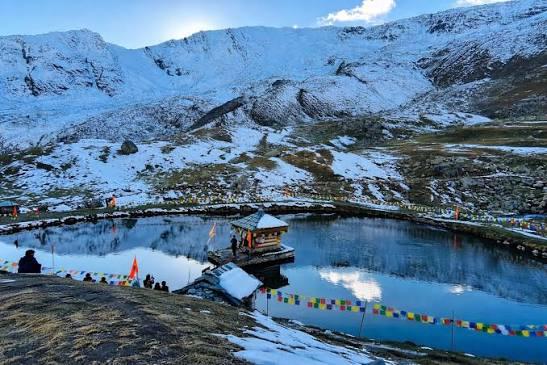
Yulla Kunda (also written Yulla Kanda) is a remote lake and Krishna temple at about 3,895 meters in Kinnaur, Himachal Pradesh, and its risks are different from those of better-known treks. The trail itself is not technical, but help is far away, mobile signal is poor, the access road is steep and prone to disruption, and weather can turn quickly. This guide is a safety and emergency-planning reference: what can go wrong, how to reduce the odds, and what to do if something does. The trek is snowbound for winter right now, so treat it as preparation for the 2027 season.
The Main Risks at a Glance
| Risk | Why it matters here | Main defense |
|---|---|---|
| Heavy rain and stream crossings | Monsoon storms have stranded groups on the route | Check forecasts, avoid July and August storms, keep buffer days |
| Altitude | The lake sits near 3,895 m | Climb slowly, hydrate, descend if symptoms worsen |
| Road disruption | NH-5 and the Tapri access road are prone to mudflow and rockfall | Check road status daily, travel early, keep slack in your schedule |
| Remote medical care | The nearest hospital is about an hour from the trailhead | Carry a first aid kit, travel with a guide, know your evacuation route |
| Poor navigation | The trail can be faint and markings are limited | Hire a local guide, use offline maps |
| Cold and snow | Early winter weather can arrive before the calendar says it should | Stay within the mid-May to mid-October window and confirm local conditions |
Weather: The Risk That Has Already Made News
Around Janmashtami in a recent year, about 150 tourists were stranded on the route after heavy rain flooded a stream crossing, and police and locals mounted a rescue. Kinnaur’s police chief urged visitors to avoid Yulla Kunda during heavy rain and plan around favorable weather. That’s the single most important safety point for this trek.
Practical rules:
- Check the forecast for Kinnaur and the Rora Valley before you leave Shimla, and again the evening before trekking.
- Don’t cross swollen streams. If water is rising or fast, wait or turn back, even if you’re close.
- Avoid trekking during heavy rain, particularly in July and August.
- Keep a buffer day in your itinerary so a storm doesn’t force a rushed decision.
- Be cautious around Janmashtami. The fair brings crowds, and weather risk peaks in the same period.
Altitude: Respect 3,895 Meters
The lake is high enough that some trekkers feel the effects even though the climb isn’t extreme. Watch for:
- Persistent headache
- Nausea or loss of appetite
- Dizziness or unusual fatigue
- Poor sleep and breathlessness at rest
What helps:
- Go slowly. A steady pace beats a fast start.
- Drink water regularly, even when you don’t feel thirsty.
- Eat normally, including carbohydrates.
- Sleep at a lower camp before the final climb if your itinerary allows.
- Don’t ignore symptoms. If a headache worsens, nausea sets in, or someone becomes confused or unsteady, stop and descend.
Itineraries that compress the trek into one very long ascent day leave less margin, so a plan with an overnight at base camp is easier on the body.
The Road: Safer Than It Looks, But Not Predictable
Two road issues matter.
NH-5 through Kinnaur. It can be disrupted by mudflows and rockfall. On September 27, 2026, a blockage near Tapri and Maling Nala was reported, with traffic restored the same evening. Temporary traffic restrictions were also issued in August and September 2026 on parts of the highway. Check the day’s status before you leave Rampur or Shimla.
Tapri to Yulla Khas. This stretch is roughly 20 km, takes about an hour, and is steep, narrow, and bumpy, with some broken patches. A local driver or high-clearance vehicle is recommended. Avoid it in heavy rain or after dark.
Tips:
- Start early so you reach Tapri well before dusk.
- Carry extra snacks, water, and a torch in case of delays.
- Fill the fuel tank at Rampur or Karcham before heading up.
Medical Help and Communication
Facilities are thin, so plan for self-reliance.
- Nearest hospital: The Community Health Centre in Nichar, about an hour’s drive from Yulla Khas. Tapri has only a small clinic.
- Mobile network: Limited or absent after Tapri, with BSNL working intermittently in Yulla Khas. Don’t count on being able to call.
- Emergency numbers: India’s all-purpose emergency number is 112, and 1077 is commonly used for disaster-management helplines. Both depend on having signal, so share your itinerary with someone before you go.
- Guide as a lifeline: A local guide knows who to contact, which villagers can help, and the fastest way to the road.
Navigation: Don’t Assume a Clear Path
The trail can be faint in places, and facilities and markings are minimal. Sources note that steel gates and shepherd huts serve as landmarks higher up, but those aren’t reliable guides in poor visibility.
- Hire a local guide. It’s the single best safety investment on this trek.
- Download offline maps before leaving Shimla or Tapri.
- Never split up from your group in fog or rain.
- Note landmarks as you climb so the descent is easier.
Camping and Overnight Safety
Camping near the lake depends on availability and permission, so confirm arrangements with your operator before relying on a tent stay.
- Choose sheltered, level ground away from streams and loose slopes.
- Carry a sleeping bag rated for near-freezing temperatures, since nights are cold at this altitude.
- Keep food secured and dispose of waste properly.
- Have a headlamp within reach, with spare batteries.
A Safety Kit Worth Carrying
- First aid kit with bandages, antiseptic, blister care, and pain relief
- Personal medication and any prescribed altitude medicine
- Water purification tablets
- Emergency blanket
- Headlamp with spare batteries
- Whistle
- Power bank
- Printed copy of your itinerary and emergency contacts
- Extra snacks, including something sugary for energy
- Waterproof layers and warm clothing
When to Turn Back
Decide your turnaround rules before you start, so you’re not negotiating with yourself at the lake:
- Weather: Heavy rain, thunder, or visibility under a few meters.
- Time: If you haven’t reached a landmark by a pre-agreed time, descend.
- Health: Worsening headache, vomiting, confusion, or loss of coordination.
- Water: Swollen streams on the route.
- Group: Someone is exhausted or hypothermic.
Reaching the lake isn’t worth an emergency. The temple will be there next season.
Etiquette as Safety
Yulla Kunda is an active place of worship. Respectful behavior also keeps you on good terms with the local people who may be the first to help you.
- Dress modestly and keep noise down near the temple.
- Ask before photographing devotees.
- Don’t swim in or pollute the lake.
- Carry out your waste.
- Follow your guide’s advice about local customs.
Planning for 2027
- Window: Mid-May to mid-October, with caution around monsoon and Janmashtami.
- Booking: Wait until the season is clearly open before paying non-refundable deposits.
- Insurance: Consider travel and medical cover that includes high-altitude trekking.
- Fitness: Build stamina for four to six weeks with long walks and stair climbing.
- Group size: Travel with at least one other person.
Frequently Asked Questions
Is the Yulla Kunda trek dangerous?
It isn’t technically difficult, but remoteness, weather, and altitude create real risks if you’re unprepared.
What is the biggest hazard?
Heavy rain and stream crossings, especially in monsoon and around Janmashtami.
Is there a hospital nearby?
The nearest is the Community Health Centre in Nichar, about an hour from Yulla Khas.
Will my phone work?
Barely. Signal is limited or absent after Tapri, with BSNL intermittent in Yulla Khas.
Do I need a guide?
Strongly recommended, for navigation, weather decisions, and local knowledge.
Is it open now?
No. It’s snowbound for winter, and the usual season runs from mid-May to mid-October.
Final Thoughts
Yulla Kunda is a rewarding trek, and most of its risks are manageable with preparation. Hire a local guide, check the weather and road status daily, climb slowly, and set your turnaround rules in advance. Do that, and you’ll arrive at the lake safely and leave with the memory rather than a story about being rescued.

 English
 Arabic
 French
 Spanish
 Portuguese
 Deutsch
 Turkish
 Dutch
 Italiano
 Russian
 Romaian
 Greek