


Important Skills Required for a Security Guard in the Security Industry
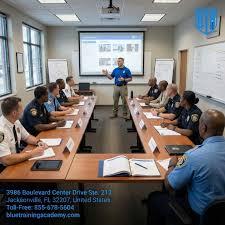
Security guards play an important role in protecting people, property, businesses, and public spaces. From shopping malls and office buildings to hospitals, schools, and residential communities, security professionals help maintain safe and controlled environments. However, working as a security guard requires more than simply watching an area or checking visitors. It involves a combination of practical abilities, professional behavior, awareness, and the ability to respond effectively to different situations.
Understanding the skills required for a security guard is essential for anyone who wants to enter the security industry or improve their professional performance. These skills help security officers recognize potential risks, communicate with people, manage challenging situations, and perform their daily responsibilities confidently.
Whether someone is interested in becoming an unarmed security guard or pursuing a career as an armed security officer, developing the right abilities can make a significant difference. In this article, we will explore the most important skills every security guard should develop to succeed in the security industry.
1. Strong Observation Skills
Observation is one of the most important abilities in the security profession. Security guards must remain alert and pay attention to their surroundings throughout their shifts. Their responsibilities often involve monitoring entrances, checking visitors, watching surveillance cameras, and identifying unusual activities.
A professional security guard should notice small details that others might overlook. For example, an unfamiliar person repeatedly entering restricted areas or someone behaving suspiciously near a building entrance may require further attention.
Strong observation skills help security guards:
-
Identify unusual behavior and suspicious activities.
-
Monitor entrances, exits, and restricted areas.
-
Recognize potential safety hazards.
-
Notice changes in the surrounding environment.
-
Report incidents before they become serious problems.
Security guards who develop strong observation abilities can help prevent incidents and maintain a safer environment for employees, visitors, and customers.
2. Effective Communication Skills
Communication is another essential ability in the security industry. Security guards interact with different people every day, including employees, visitors, customers, supervisors, emergency personnel, and law enforcement officers.
They must communicate clearly, respectfully, and professionally. Good communication helps prevent misunderstandings and allows security personnel to handle situations more effectively.
For example, when a visitor arrives at a restricted entrance, a security guard should politely explain the access requirements and provide clear instructions. Similarly, when reporting an incident, the guard must communicate accurate information to supervisors.
Effective communication includes:
-
Speaking clearly and confidently.
-
Listening carefully to instructions and concerns.
-
Providing accurate incident reports.
-
Giving clear directions to visitors.
-
Communicating professionally during emergencies.
-
Maintaining respectful conversations with different individuals.
Strong communication skills help security guards build trust and maintain positive relationships while performing their duties.
3. Physical Fitness and Stamina
Physical fitness is an important part of working in security. Depending on the workplace, security guards may need to stand for extended periods, walk around large properties, climb stairs, conduct regular patrols, or respond quickly to emergencies.
Good physical condition helps security professionals complete these responsibilities without becoming easily exhausted.
Physical fitness does not necessarily mean having exceptional athletic abilities. Instead, security guards should maintain enough strength, flexibility, and stamina to perform their daily tasks safely.
Important physical abilities include:
-
Walking and standing for extended periods.
-
Maintaining energy during long shifts.
-
Moving quickly when responding to emergencies.
-
Performing regular security patrols.
-
Maintaining balance and coordination.
-
Following workplace safety procedures.
Regular exercise, proper rest, and a healthy lifestyle can help security guards maintain the physical condition needed for their responsibilities.
4. Problem-Solving Skills
Security guards frequently encounter situations that require quick thinking and appropriate decisions. Problems may include unauthorized access, customer complaints, property damage, workplace disagreements, or unexpected safety concerns.
A professional security guard should be able to assess situations, understand possible risks, and choose an appropriate response.
For example, if a visitor attempts to enter a restricted area without authorization, the guard should follow established access control procedures rather than making assumptions or reacting aggressively.
Problem-solving abilities help security guards:
-
Identify the main cause of a problem.
-
Evaluate possible risks.
-
Follow workplace policies.
-
Choose appropriate solutions.
-
Report unresolved issues to supervisors.
-
Prevent minor problems from becoming serious incidents.
Developing problem-solving skills allows security professionals to handle unexpected situations more confidently and responsibly.
5. Attention to Detail
Attention to detail is closely connected to observation, but it focuses more on accuracy and consistency when performing security responsibilities.
Security guards often work with visitor logs, identification records, access permissions, patrol schedules, and incident reports. Even a small mistake can create security concerns.
For instance, failing to record a visitor's information correctly or overlooking an unsecured entrance could affect the safety of a workplace.
Security guards can demonstrate attention to detail by:
-
Checking identification carefully.
-
Recording visitor information accurately.
-
Following access control procedures.
-
Inspecting doors, windows, and security equipment.
-
Reviewing incident details before submitting reports.
-
Following patrol schedules consistently.
This ability helps maintain accurate security records and reduces the chances of mistakes during daily operations.
6. Conflict Resolution and De-escalation
Security guards sometimes deal with angry customers, disagreements, frustrated visitors, or individuals who refuse to follow workplace rules. In these situations, remaining calm and professional is extremely important.
Conflict resolution involves handling disagreements peacefully and finding practical ways to prevent situations from becoming more serious.
Security guards should understand how to communicate with upset individuals without using unnecessary force or aggressive language.
Useful conflict resolution techniques include:
-
Maintaining a calm and respectful attitude.
-
Listening to the concerns of others.
-
Avoiding arguments and unnecessary confrontation.
-
Using clear and professional language.
-
Maintaining an appropriate personal distance.
-
Requesting assistance when a situation becomes unsafe.
De-escalation training can help security professionals recognize warning signs and use appropriate communication techniques to reduce tension.
These abilities are particularly valuable in shopping centers, hospitals, entertainment venues, and other busy environments where disagreements can happen unexpectedly.
7. Knowledge of Security Procedures and Regulations
Security guards must understand the rules, policies, and procedures that apply to their workplace. Their responsibilities can vary depending on the industry, location, and type of security assignment.
For example, a security guard working in a hospital may follow different procedures from someone assigned to an office building or construction site.
Understanding workplace security procedures helps guards perform their responsibilities correctly and avoid unnecessary mistakes.
Important areas of knowledge include:
-
Access control policies.
-
Emergency response procedures.
-
Workplace safety requirements.
-
Incident reporting guidelines.
-
Visitor management procedures.
-
Relevant local security laws and regulations.
-
Proper use of security equipment.
Security professionals should also understand the limits of their authority. Following applicable laws and employer policies helps them perform their duties responsibly and professionally.
8. Emergency Response Skills
Emergencies can happen in almost any workplace. Security guards may encounter situations involving fires, medical emergencies, accidents, suspicious packages, or unexpected threats.
Although security guards are not necessarily trained medical professionals or firefighters, they should understand the basic emergency procedures relevant to their assignments.
Emergency response knowledge helps them take appropriate initial action while waiting for qualified emergency personnel.
Important emergency response abilities include:
-
Recognizing potential emergency situations.
-
Activating workplace emergency procedures.
-
Contacting the appropriate emergency services.
-
Helping people move toward designated safe areas.
-
Communicating important information to supervisors.
-
Understanding basic first aid when properly trained.
-
Keeping emergency exits and access routes clear.
First aid, CPR, and other emergency response training can provide additional knowledge that may be valuable in different security environments.
9. Decision-Making Skills
Security guards often need to make decisions without waiting for immediate instructions from supervisors. Their decisions can affect the safety of people, property, and workplace operations.
Good decision-making involves understanding the situation, considering available information, and choosing an appropriate action.
For example, if a security guard notices an unattended bag in a public area, they should follow the organization's suspicious-item procedures instead of attempting to investigate it independently.
Strong decision-making skills help security guards:
-
Respond appropriately to unusual situations.
-
Follow established workplace procedures.
-
Recognize when additional assistance is necessary.
-
Prioritize immediate safety concerns.
-
Avoid unnecessary risks.
-
Communicate important decisions to supervisors.
Professional judgment improves with experience, training, and a clear understanding of workplace responsibilities.
10. Basic Computer and Technology Skills
Modern security operations increasingly depend on technology. Many workplaces use surveillance cameras, electronic access systems, digital visitor records, alarm systems, and communication devices.
Security guards should understand how to use the equipment required for their assignments.
Basic technology skills can include:
-
Operating CCTV surveillance systems.
-
Using electronic access control equipment.
-
Maintaining digital visitor records.
-
Communicating through radios and other devices.
-
Understanding basic alarm system procedures.
-
Preparing digital incident reports.
Technology skills help security guards monitor workplaces more efficiently and maintain accurate records.
As security systems continue to improve, learning how to operate modern equipment can also help professionals become more competitive in the industry.
11. Honesty and Integrity
Honesty and integrity are essential qualities in the security profession. Security guards are often responsible for protecting valuable property, handling confidential information, monitoring restricted areas, and maintaining workplace rules.
Employers need security professionals they can trust to perform their responsibilities honestly.
A guard with strong integrity follows workplace policies even when supervisors are not present.
Important examples of professional integrity include:
-
Reporting incidents truthfully.
-
Protecting confidential information.
-
Avoiding misuse of workplace authority.
-
Following assigned duties consistently.
-
Respecting company property.
-
Maintaining accurate security records.
-
Treating everyone fairly and professionally.
Integrity helps build trust between security guards, employers, employees, and the public.
12. Time Management and Punctuality
Time management is another important ability for security professionals. Security assignments often involve fixed schedules, regular patrols, visitor monitoring, and shift changes.
Arriving late or missing scheduled patrols can create unnecessary security gaps.
Security guards should understand how to organize their responsibilities and complete assigned tasks on time.
Good time management includes:
-
Arriving at work before the scheduled shift.
-
Completing patrols according to the assigned schedule.
-
Recording important activities accurately.
-
Managing breaks according to workplace policies.
-
Completing shift handover procedures.
-
Prioritizing urgent security responsibilities.
Punctuality demonstrates professionalism and helps maintain consistent security coverage throughout the day and night.
13. Teamwork and Cooperation
Although some security guards work independently, many assignments require cooperation with other security personnel, supervisors, employees, and emergency responders.
Teamwork helps security professionals share important information and coordinate their responsibilities.
For example, during a large event, several security guards may be assigned to different entrances, parking areas, and restricted locations. They must communicate effectively to maintain proper security coverage.
Strong teamwork skills include:
-
Following instructions from supervisors.
-
Sharing relevant security information.
-
Supporting other team members.
-
Coordinating responsibilities during emergencies.
-
Communicating clearly through approved channels.
-
Respecting different roles and responsibilities.
Good teamwork improves workplace coordination and helps security teams perform their duties more effectively.
14. Professionalism and Customer Service
Security guards are often among the first people visitors encounter when entering a business, office, hospital, or public facility. Their attitude and behavior can influence how people view the organization.
Professionalism involves maintaining a respectful appearance, following workplace standards, and treating everyone fairly.
Customer service skills are especially important for security guards working in public-facing environments.
Professional security guards should:
-
Maintain a clean and appropriate appearance.
-
Greet visitors politely.
-
Provide clear directions.
-
Answer basic questions professionally.
-
Remain patient when dealing with complaints.
-
Follow workplace dress and conduct policies.
Combining security responsibilities with good customer service helps create a welcoming and safe environment.
How to Develop the Skills Required for a Security Guard
Developing professional security abilities takes time, practice, and proper training. People interested in entering the security industry should focus on improving their knowledge and gaining practical experience.
Here are some useful ways to develop these abilities:
Complete Security Guard Training: Enroll in a suitable security training program to learn about patrol procedures, access control, workplace safety, emergency response, and professional responsibilities.
Improve Communication Abilities: Practice speaking clearly, listening carefully, and handling conversations professionally. These abilities are useful in almost every security assignment.
Maintain Physical Fitness: Regular exercise and proper rest can improve stamina and help security guards manage physically demanding responsibilities.
Learn Emergency Procedures: Become familiar with workplace emergency plans and consider appropriate first aid or CPR training.
Gain Practical Experience: Working under experienced security professionals can help beginners understand real workplace situations and develop confidence.
Stay Updated on Security Practices: Learn about new security technologies, workplace procedures, and relevant industry requirements.
Continuous learning helps security guards improve their performance and prepare for greater responsibilities.
Why Are These Skills Important in the Security Industry?
The security industry requires professionals who can handle different responsibilities while maintaining a safe environment. Employers look for individuals who demonstrate reliability, awareness, communication abilities, and professional judgment.
Developing the right skills provides several benefits:
-
Better Job Opportunities: Qualified security professionals may have access to different security assignments across various industries.
-
Improved Workplace Safety: Strong observation and emergency response abilities help identify and address potential risks.
-
Greater Professional Confidence: Proper training prepares security guards to manage everyday responsibilities.
-
Better Communication: Good interpersonal skills help maintain positive relationships with visitors, employees, and supervisors.
-
Career Development: Additional training and experience may help security guards qualify for supervisory or specialized positions.
These benefits show why developing professional abilities is important for both new and experienced security personnel.
Conclusion
Working as a security guard requires a combination of physical abilities, communication, observation, decision-making, and professional behavior. Security professionals must remain alert, follow workplace procedures, respond appropriately to emergencies, and treat people with respect.

 English
 Arabic
 French
 Spanish
 Portuguese
 Deutsch
 Dutch
 Italiano
 Russian
 Romaian
 Portuguese (Brazil)
 Greek