


What Should Clients Know About Quality Control in Hair Replacement Systems?
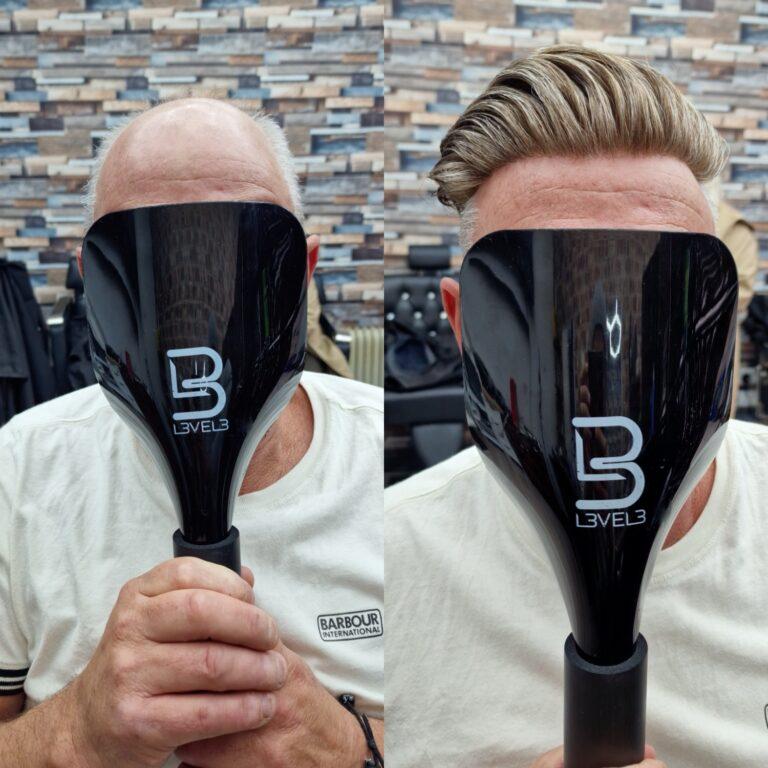
Choosing a hair replacement system involves more than selecting a hairstyle or finding a suitable colour. The quality of the system itself plays an important role in its appearance, comfort, durability and overall performance. Even a system that looks attractive at first may not meet expectations if the materials or construction are poor.
Quality control helps ensure that hair replacement systems meet appropriate standards before they reach the customer. It involves checking the hair, base material, construction, colour consistency and overall finish. These checks can help identify problems that might otherwise affect the experience after fitting.
For clients considering non-surgical hair replacement, understanding quality control can make the selection process easier. It also helps them ask better questions, compare available options and make informed decisions before purchasing a system.
What Does Quality Control Mean in Hair Replacement Systems?
Quality control refers to the process of checking a product to make sure it meets expected standards. In hair replacement, this includes examining the materials, construction and finished appearance of the system.
A hair replacement system contains several components that need to work together. The base material must be suitable for its intended use, the hair should be properly attached, and the overall construction should support a natural appearance.
Quality checks may take place at different stages of production. These can include inspecting the raw hair, checking the base material, examining the attachment of individual strands and reviewing the completed system.
The purpose is to identify inconsistencies before the product reaches the customer. However, quality standards can vary between manufacturers, so clients should not assume that every system has undergone the same level of inspection.
Why Does Hair Quality Matter?
The hair used in a replacement system has a direct influence on its overall appearance and manageability. Poor-quality hair may become difficult to style, lose its natural texture or develop tangles more easily.
Human hair systems are often selected because they can offer a natural appearance and styling flexibility. However, not all human hair is identical. Its texture, strength, condition and processing history can vary.
Quality control should consider whether the hair has a consistent texture and whether it is suitable for the intended system. Excessive processing may affect the condition of the strands, which can influence how the hair behaves over time.
Clients should ask about the type of hair used and the care requirements associated with it. Understanding these details can help them choose a system that matches their expectations.
Checking the Base Material Before Purchase
The base is another important part of a hair replacement system. It is the material that supports the hair and sits against the scalp. Its construction can influence the system's appearance, weight, breathability and maintenance requirements.
Common options include lace, poly or skin, monofilament and hybrid bases. Each has different characteristics, and the most suitable option depends on individual preferences and requirements.
During quality inspection, the base should be checked for visible damage, uneven construction and weak areas. Its edges should also be examined to make sure there are no obvious defects that could affect fitting.
A client should understand that a particular base material is not automatically better than every other option. The important consideration is whether its features suit the person's scalp, lifestyle and preferred maintenance routine.
Why Consistent Hair Density Is Important
Hair density refers to how much hair is present across a particular area of the system. If the density is uneven, some sections may appear fuller than others.
An unnatural difference in volume can make the replacement system more noticeable. For example, a very dense front hairline may not blend well with thinner hair around the sides.
Quality checks should consider whether the density is consistent with the intended design. This does not mean every part of the system must contain exactly the same amount of hair. Natural hairstyles often have variations in volume, so density should be assessed according to the desired appearance.
Clients should discuss their preferred level of coverage before selecting a system. A suitable density should complement their existing hair and overall hairstyle rather than create an unnecessarily heavy appearance.
Inspecting Hair Direction and Attachment
The direction in which hair is attached affects how a replacement system can be styled. Natural hair grows in different directions across the scalp, particularly around the crown and front hairline.
If the hair direction is unsuitable, styling may become difficult. The hair might not fall naturally or may require extra effort to achieve the desired shape.
Quality inspection should therefore consider hair direction and the arrangement of strands. The attachment should also be examined to identify loose sections or areas where the construction appears inconsistent.
These details are particularly important around visible areas such as the front hairline and crown. Careful construction can make styling easier and help the system look more natural once it has been fitted.
Understanding Colour Consistency
Hair colour can vary under different lighting conditions. A shade that appears suitable indoors may look slightly different in daylight. Natural hair can also contain subtle variations rather than one uniform colour.
Quality control should include checking whether the hair colour is reasonably consistent across the system. Unwanted differences between sections may affect the final appearance, especially when the replacement hair needs to blend with existing hair.
Clients should consider their natural hair colour, any grey strands and their preferred hairstyle before making a selection.
Colour matching should not rely entirely on photographs because screens and lighting can change how shades appear. Where possible, comparing the available hair with the client's existing hair in suitable lighting can help produce a more accurate match.
What to Look for in the Finished Hairline
The front hairline is one of the most noticeable parts of a hair replacement system. Its construction can have a significant effect on how natural the final result looks.
A poorly designed hairline may appear too dense, too straight or too uniform. These characteristics can make the system look less realistic.
Quality checks should examine the distribution of hair around the front edge, the appearance of the base and the consistency of the hair attachment. The design should also allow the specialist to position and customise the system appropriately.
A natural-looking hairline is not achieved through manufacturing quality alone. The fitting position, haircut and individual facial features also play an important role. This is why the system should be assessed as part of the complete replacement process.
Identifying Manufacturing Defects
Manufacturing defects can affect the appearance and practical use of a hair replacement system. Some problems may be visible immediately, while others become noticeable after regular wear.
Examples include damaged base material, loose hair strands, uneven density, poorly finished edges and inconsistent construction.
Clients should inspect a system before fitting and raise any concerns with the supplier or specialist. If a defect is identified, it is better to discuss it before the system is cut, customised or attached.
A careful inspection does not guarantee that every possible issue will be detected. However, it can reduce the chance of overlooking visible problems before the system is put into use.
Why Proper Packaging and Storage Matter
Quality control does not end when a hair replacement system is manufactured. Storage and handling can also influence its condition before it reaches the customer.
A system that is stored incorrectly may become tangled, compressed or damaged. The base material may also be affected if it is exposed to unsuitable conditions.
Proper packaging helps protect the system during transportation and storage. It should keep the hair in a suitable position and reduce unnecessary pressure on delicate areas.
Clients purchasing a replacement system should check that it has been handled carefully. They should also ask for storage advice if the system will not be fitted immediately.
Questions Clients Should Ask Before Choosing a System
Understanding quality control is easier when clients know what information to request. A professional supplier or specialist should be able to explain the system's materials, construction and care requirements.
Clients can ask whether the system has been inspected for visible defects, what type of hair has been used and how the base material should be maintained. They can also ask about expected wear, recommended cleaning methods and the availability of repairs or adjustments.
It is useful to understand what is included in the fitting service. A good-quality system may still require cutting, blending and customisation before it suits the individual.
Clear answers help clients compare options based on more than price or appearance. They also make it easier to understand what support may be available after purchase.
How Professional Fitting Complements Product Quality
A well-made hair replacement system still needs to be fitted correctly. Product quality and professional fitting work together to influence the final result.
The specialist needs to consider the client's scalp, hair loss pattern, preferred hairline and existing hairstyle. The system may then require cutting, shaping and blending to create a suitable appearance.
Poor fitting can affect the result even when the system itself is of good quality. Incorrect positioning or unsuitable customisation may make the hairline look unnatural or cause discomfort.
Clients considering a new system can learn more about professional fitting options here:
https://www.londonhairreplacement.co.uk/new-hair-system/
Why Aftercare Is Part of the Quality Experience
The quality of a hair replacement experience depends on more than the product received on the day of purchase. Aftercare also matters because hair systems require suitable cleaning, handling and maintenance.
Regular professional checks can help identify changes in the base, hair condition or attachment. They also provide an opportunity to address problems before they become more difficult to manage.
Clients should follow the care instructions provided by their specialist. Using unsuitable products, applying excessive heat or pulling the hair during brushing may affect its condition.
The correct maintenance routine depends on the system's materials and the individual's lifestyle. Understanding these requirements before purchase helps clients prepare for the responsibilities of wearing a hair system.
Comparing Quality Without Focusing Only on Price
Price is an important consideration, but it should not be the only factor when comparing hair replacement systems. A lower-priced option may not provide the same materials, construction or level of professional support as another system.
Similarly, a higher price does not automatically guarantee better quality. Clients should consider what is included, how the system is made and whether the service meets their requirements.
It is sensible to compare the hair type, base construction, customisation options and aftercare arrangements. Asking for clear information can help avoid decisions based only on marketing claims.
A system should provide suitable value in relation to its quality, appearance, comfort and expected care requirements.
Choosing a Hair Replacement Provider Carefully
The provider plays an important role in helping clients understand the quality of a system. A professional service should explain available options, discuss realistic expectations and provide information about fitting and maintenance.
Clients should feel comfortable asking questions about the materials and construction. They should also be given enough information to understand the service before making a decision.
London Hair Replacement provides information about its non-surgical hair replacement services, including professional fitting and customisation.
https://www.londonhairreplacement.co.uk/
Before choosing a provider, clients should consider the quality of communication, the clarity of the service information and the level of support available after fitting.
Final Thoughts
Quality control is an important part of choosing a hair replacement system. It helps identify problems with hair condition, base materials, density, colour and construction before the product reaches the customer.
Understanding these factors allows clients to ask informed questions and compare systems more carefully. It also helps them recognise that a natural-looking result depends on several elements working together.
A suitable system should meet the individual's appearance, comfort and lifestyle requirements. By paying attention to product quality, professional fitting and aftercare, clients can make a more confident and informed hair replacement decision.

 Arabic
 French
 Spanish
 Portuguese
 Deutsch
 Turkish
 Dutch
 Italiano
 Russian
 Romaian
 Portuguese (Brazil)
 Greek