


Oxygen Therapy and Sleep: What You Need to Know About Nocturnal Oxygen
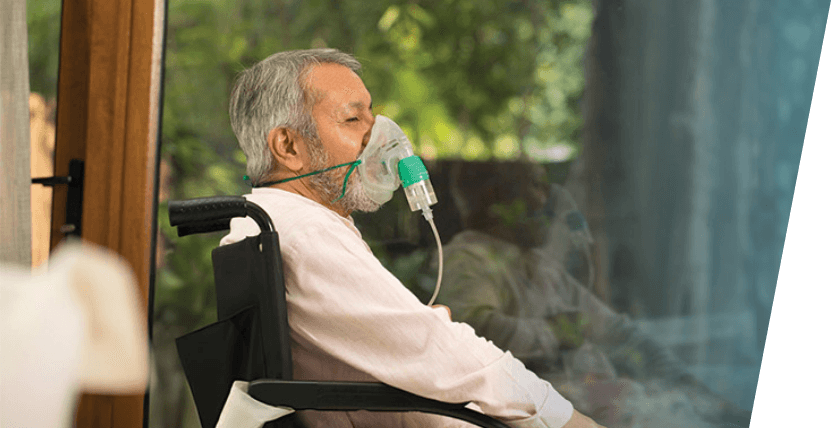
Sleep is essential for physical recovery, brain function, and overall well-being, but some people experience reduced oxygen levels while sleeping due to respiratory or sleep-related conditions. Nocturnal oxygen therapy may be recommended when medical assessments show that a person needs additional oxygen during the night. For patients considering Oxygen Therapy At Home In Dubai, understanding how oxygen levels can change during sleep, when treatment may be necessary, and how to use equipment safely is important. A qualified healthcare professional, including a Doctor at Home, can help assess symptoms, review oxygen measurements, and guide patients on whether nighttime oxygen is appropriate. The right treatment plan should always be based on individual medical needs rather than symptoms alone.
What Is Nocturnal Oxygen Therapy?
Nocturnal oxygen therapy refers to the use of supplemental oxygen during sleep when a healthcare professional determines that a patient experiences clinically significant low blood oxygen levels overnight. It may be prescribed for people with certain chronic lung conditions, respiratory disorders, or other medical problems that affect oxygen exchange. During sleep, breathing patterns naturally change, and oxygen levels may decrease in some individuals, particularly during specific sleep stages. However, not everyone who feels tired or wakes up breathless needs nighttime oxygen. Treatment is recommended only after appropriate assessment, which may include overnight oxygen monitoring or a sleep study. The prescribed flow rate, duration, and delivery equipment depend on the patient's condition and clinical findings.
Why Can Oxygen Levels Drop During Sleep?
Breathing changes during sleep because the body's activity and respiratory patterns vary throughout the night. In some people, these changes can contribute to lower oxygen levels, especially when an underlying condition affects the lungs, airways, or breathing muscles. Chronic obstructive pulmonary disease (COPD), certain neuromuscular conditions, and sleep-related breathing disorders may contribute to nighttime oxygen disturbances. Obstructive sleep apnoea is a particularly important example because repeated airway obstruction can cause oxygen levels to fall temporarily. Other factors, such as respiratory infections or advanced lung disease, may also affect nighttime breathing. Identifying the underlying cause is essential because supplemental oxygen alone may not correct every sleep-related breathing problem.
Who May Need Oxygen Therapy During Sleep?
Not every patient with a respiratory condition requires nocturnal oxygen. A healthcare professional may consider it for individuals whose oxygen levels fall below an appropriate clinical threshold during sleep or who have an established need for oxygen therapy. Patients with advanced lung disease, certain chronic respiratory conditions, or persistent low oxygen levels may require overnight assessment. People who already use oxygen during the day may also need evaluation to determine whether their nighttime requirements are different. Common reasons for a medical review include:
-
Known chronic lung disease with suspected nighttime oxygen desaturation.
-
Persistent low oxygen readings identified during sleep monitoring.
-
Morning headaches or unusual fatigue alongside other respiratory symptoms.
-
Waking frequently because of breathing discomfort.
-
Existing oxygen therapy that requires reassessment for nighttime use.
These symptoms do not confirm that oxygen therapy is necessary. They should prompt an appropriate medical evaluation.
Signs That May Suggest Nighttime Breathing Problems:
Sleep-related oxygen problems can sometimes be difficult to recognise because patients may not notice changes while asleep. Instead, they may experience symptoms after waking or during the day. Morning headaches, unrefreshing sleep, daytime tiredness, difficulty concentrating, and waking with breathlessness can be associated with sleep-related breathing difficulties. Some patients may also report restless sleep or frequent nighttime awakenings. A family member may notice loud snoring, pauses in breathing, or gasping during sleep, which can suggest obstructive sleep apnoea. These signs have several possible causes and should not be used to diagnose low oxygen levels independently. A healthcare professional can determine whether overnight oxygen monitoring, a sleep study, or other investigations are appropriate.
How Doctors Assess Oxygen Levels During Sleep:
A healthcare professional may recommend overnight monitoring to understand how oxygen levels change while a patient sleeps. One common method is overnight pulse oximetry, which uses a small sensor, usually placed on a finger, to record oxygen saturation over several hours. This can help identify periods when oxygen levels fall and how frequently these changes occur. However, pulse oximetry does not explain why oxygen levels are low or measure carbon dioxide levels. Depending on the patient's symptoms and medical history, a clinician may recommend a sleep study, arterial blood gas testing, or other respiratory investigations. These assessments help distinguish between conditions that may require supplemental oxygen and those that need a different treatment approach.
Benefits of Prescribed Nocturnal Oxygen Therapy:
For patients with confirmed nighttime hypoxaemia, prescribed oxygen therapy may help maintain blood oxygen levels within an appropriate target range during sleep. This can support oxygen delivery to the body's tissues and may form part of a broader respiratory care plan. In patients with specific medical conditions, maintaining adequate oxygen levels overnight is important for managing chronic respiratory problems. However, the benefits depend on the underlying diagnosis and whether the patient meets clinical criteria for treatment. Nocturnal oxygen is not a general solution for poor sleep, snoring, or daytime tiredness. It is also important to understand that oxygen therapy does not treat every cause of nighttime breathing difficulty. For example, obstructive sleep apnoea commonly requires treatments such as positive airway pressure rather than oxygen alone.
Understanding Oxygen Equipment for Nighttime Use:
Patients prescribed nocturnal oxygen may use an oxygen concentrator or another delivery system selected by their healthcare provider. A stationary concentrator is commonly used at home because it can provide a continuous oxygen supply while connected to electricity. Oxygen is usually delivered through a nasal cannula, although the appropriate interface depends on the patient's needs and prescription. Before sleeping, patients and caregivers should check that the equipment is operating correctly and that tubing is not kinked, twisted, or damaged. Important precautions include:
-
Keep the concentrator in a well-ventilated location with clear air openings.
-
Position tubing safely to reduce the risk of tangling or tripping.
-
Check the cannula placement according to the healthcare provider's instructions.
-
Keep equipment away from cigarettes, candles, heaters, and open flames.
-
Follow the manufacturer's guidance for cleaning and replacing accessories.
-
Discuss a backup oxygen arrangement for power interruptions with the supplier.
Patients should never change the prescribed oxygen flow rate or use a different device setting without professional advice.
Is Oxygen Therapy Safe While Sleeping?
Nocturnal oxygen therapy can be used safely when it is prescribed, properly set up, and monitored according to medical guidance. However, oxygen supports combustion, so fire prevention is essential even when the patient is asleep. Smoking, candles, incense, and open flames must be kept away from oxygen equipment. Electrical devices should be maintained according to the manufacturer's instructions, and equipment should not be placed where ventilation can be blocked. Some patients, particularly those vulnerable to carbon dioxide retention, may require additional monitoring because excessive oxygen can worsen hypercapnia. This is why oxygen should never be started or adjusted independently. Patients should also ask their healthcare team what symptoms or equipment alarms require immediate attention and what steps to follow if the oxygen supply is interrupted.
Practical Tips for Better Sleep While Using Oxygen:
Using oxygen at night may take some adjustment, especially for patients who are new to treatment. A comfortable sleeping arrangement, suitable tubing length, and a consistent bedtime routine can make equipment easier to manage. Patients should follow their prescribed treatment schedule and avoid changing the flow rate to improve comfort. Other useful habits include:
-
Keep the bedroom clean, comfortable, and free from smoke.
-
Arrange tubing so it does not become trapped under bedding or furniture.
-
Use the prescribed nasal cannula or mask correctly.
-
Follow medical advice about sleeping positions and respiratory exercises.
-
Avoid alcohol or sedatives unless the prescribing clinician confirms they are appropriate.
-
Report persistent dryness, nasal irritation, or discomfort to a healthcare professional.
Good sleep habits can support general well-being, but they do not replace assessment or treatment of an underlying sleep-related breathing condition.
When Should You Seek Medical Advice?
Patients using nocturnal oxygen should contact their healthcare provider if they experience worsening breathlessness, repeated morning headaches, unusual daytime sleepiness, or changes in their usual symptoms. They should also seek advice if oxygen readings repeatedly fall outside the target range specified by their clinician or if the equipment produces persistent alarms. A sudden increase in oxygen requirements may indicate an underlying health problem that needs investigation. Severe breathing difficulty, chest pain, fainting, blue lips, or sudden confusion requires urgent medical attention. Regular follow-up appointments allow healthcare professionals to review oxygen requirements, assess treatment effectiveness, and determine whether the prescription needs adjustment. Patients should never increase oxygen flow to manage new symptoms without medical guidance.
Final Thoughts
Nocturnal oxygen therapy may be an important part of respiratory care for people who experience clinically significant drops in blood oxygen levels during sleep. However, nighttime tiredness, snoring, or morning headaches do not automatically mean that supplemental oxygen is needed. Proper assessment helps identify the cause of breathing difficulties and determine the most suitable treatment. Patients receiving Oxygen Therapy At Home In Dubai should follow their prescribed oxygen settings, maintain their equipment, and attend regular medical reviews. With professional guidance and appropriate safety precautions, nighttime oxygen therapy can be managed more confidently as part of an individualised home healthcare plan.

 English
 Arabic
 French
 Spanish
 Portuguese
 Deutsch
 Turkish
 Dutch
 Italiano
 Russian
 Romaian
 Portuguese (Brazil)