


Oxygen Therapy for Patients With Sleep Apnea: Combining Treatments Safely
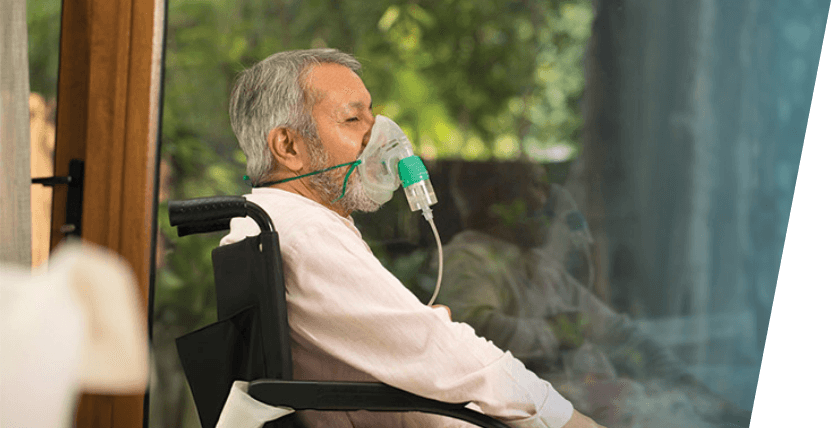
Sleep apnea is a sleep-related breathing disorder that causes repeated interruptions or reductions in breathing during sleep. These episodes can affect oxygen levels, sleep quality, daytime energy, and overall health. Some patients may also have an underlying respiratory or cardiovascular condition that requires additional oxygen support. Oxygen Therapy At Home In Dubai can help eligible patients receive prescribed supplemental oxygen in a familiar environment, while services such as Doctor at Home may provide professional guidance and follow-up. However, oxygen therapy is not a replacement for standard sleep apnea treatment. Understanding how oxygen and sleep apnea therapies work together is essential for avoiding complications and creating a safe, medically supervised treatment plan.
Understanding Sleep Apnea and Its Effects on Breathing:
Sleep apnea occurs when breathing repeatedly becomes interrupted during sleep. The most common type is obstructive sleep apnea (OSA), which develops when the muscles supporting the throat relax and partially or completely block the upper airway. Central sleep apnea occurs when the brain does not consistently send the signals needed to control breathing. These interruptions may cause oxygen levels to fall, leading to repeated awakenings and disrupted sleep. Common symptoms include loud snoring, gasping during sleep, morning headaches, difficulty concentrating, and excessive daytime sleepiness. Untreated sleep apnea may also be associated with high blood pressure, heart rhythm problems, and other health complications. Proper diagnosis is important because treatment depends on the type and severity of the condition.
Understanding the Role of Oxygen Therapy in Sleep Apnea:
Supplemental oxygen increases the amount of oxygen available for the patient to breathe, which may help address low blood oxygen levels in selected medical situations. However, oxygen does not open a blocked airway or correct the repeated breathing interruptions associated with obstructive sleep apnea. Some patients may experience oxygen desaturation during sleep because of additional lung or heart conditions, making oxygen therapy appropriate when prescribed after clinical assessment. In certain cases, oxygen may be considered as an additional treatment for patients with persistent low oxygen levels despite other interventions. It should never be started independently because inappropriate oxygen use may create risks, particularly in individuals with conditions that affect carbon dioxide retention. A healthcare professional must determine whether oxygen is necessary and establish the correct treatment approach.
Why CPAP Therapy Is Usually the Primary Treatment:
Continuous positive airway pressure (CPAP) is a commonly recommended treatment for obstructive sleep apnea. It uses a machine to deliver pressurized air through a mask, helping keep the upper airway open during sleep. Unlike supplemental oxygen, CPAP directly addresses the airway obstruction responsible for many OSA episodes. Consistent use can reduce breathing interruptions, improve sleep quality, and help manage symptoms such as daytime tiredness. Some patients may initially find the mask uncomfortable or experience dryness, nasal congestion, or difficulty adjusting to the equipment. Healthcare professionals can help improve comfort by reviewing mask fit, pressure settings, and humidification options. Patients should not discontinue CPAP or replace it with oxygen therapy without discussing the decision with their sleep specialist.
When Oxygen Therapy May Be Combined With Sleep Apnea Treatment:
Combining oxygen therapy with CPAP or another prescribed treatment may be appropriate for selected patients who continue to experience low oxygen levels during sleep. This decision requires careful evaluation because the cause of oxygen desaturation may involve sleep apnea, chronic lung disease, heart conditions, or more than one medical issue. A sleep specialist may review overnight oxygen measurements, sleep study results, medical history, and other investigations before recommending additional oxygen. In some situations, a patient may require further assessment to determine whether another treatment, such as non-invasive ventilation, is more suitable. Oxygen should only be added when clinically indicated, with the prescribed flow rate and monitoring arrangements clearly documented. The treatment combination must be reviewed regularly to ensure that it remains effective and safe.
Important Assessments Before Starting Combined Treatment:
Before combining oxygen therapy with sleep apnea treatment, healthcare professionals need to understand the patient's breathing patterns and underlying medical conditions. A sleep study, also called polysomnography, can help identify breathing interruptions, oxygen desaturation, and other sleep-related abnormalities. Overnight oximetry may provide additional information about oxygen levels, although it cannot diagnose sleep apnea by itself. Depending on the patient's condition, doctors may also recommend blood tests or an assessment of carbon dioxide levels. These evaluations help distinguish between airway obstruction and other causes of reduced oxygen. Important assessment considerations include:
-
The type and severity of sleep apnea.
-
Overnight oxygen saturation patterns.
-
Existing lung or heart conditions.
-
Current CPAP or other breathing-support treatment.
-
Possible carbon dioxide retention.
-
Medication use and other health concerns.
-
The patient's symptoms and response to treatment.
These findings help healthcare professionals develop an individualized treatment plan.
Using Oxygen and CPAP Equipment Safely at Home:
Patients who require both oxygen and CPAP should receive clear instructions on how their equipment is connected and operated. Oxygen should only be introduced into a CPAP system using a method approved by the equipment manufacturer and recommended by the treating clinician. Incorrect connections, unsuitable accessories, or changes to prescribed settings may interfere with treatment. Patients and caregivers should also understand how to clean masks, maintain tubing, check equipment alarms, and identify signs of malfunction. Important home safety practices include:
-
Follow the prescribed oxygen flow rate and CPAP settings.
-
Use compatible equipment and approved connections.
-
Keep oxygen equipment away from flames and smoking.
-
Avoid using oil-based products near oxygen equipment.
-
Check tubing and masks for visible damage.
-
Follow manufacturer instructions for cleaning and maintenance.
-
Keep backup arrangements available when recommended.
Oxygen supports combustion, so fire prevention is essential whenever supplemental oxygen is used at home.
Monitoring Treatment Effectiveness During Sleep:
Regular monitoring helps healthcare professionals determine whether combined treatment is meeting the patient's needs. Depending on the clinical plan, monitoring may include overnight oxygen saturation, CPAP usage information, breathing symptoms, and follow-up sleep assessments. Some CPAP devices record information about usage, mask leaks, and residual breathing events, which clinicians can review during appointments. However, device readings should always be interpreted in context rather than used independently to change treatment. Patients should report persistent morning headaches, worsening daytime sleepiness, continued gasping during sleep, or new breathing difficulties. Oxygen saturation targets differ between individuals, so patients should follow the range established by their healthcare professional instead of comparing their readings with someone else's.
Common Mistakes to Avoid When Combining Treatments:
Using oxygen and sleep apnea equipment without proper supervision can create avoidable risks. One common mistake is assuming that oxygen alone treats obstructive sleep apnea. Although supplemental oxygen may improve measured oxygen levels in some patients, it does not prevent the airway from repeatedly collapsing. Another mistake is increasing oxygen flow because a pulse oximeter displays a lower reading. This can be unsafe, particularly for people who are vulnerable to carbon dioxide retention. Patients should also avoid stopping CPAP because they feel better after starting oxygen. Important mistakes to avoid include:
-
Replacing prescribed CPAP with oxygen without medical advice.
-
Changing oxygen flow rates independently.
-
Ignoring persistent sleep apnea symptoms.
-
Using incompatible equipment connections.
-
Skipping recommended sleep specialist appointments.
-
Relying on pulse oximeter readings alone.
-
Ignoring equipment alarms or signs of malfunction.
Discussing concerns with a qualified healthcare professional is safer than making independent treatment changes.
The Importance of Professional Home Healthcare Support:
Professional home healthcare can help patients and families manage prescribed oxygen therapy more confidently. Qualified nurses may provide guidance on equipment handling, oxygen safety, symptom observation, and treatment routines. Doctors can review changes in the patient's condition and coordinate further assessments with sleep specialists when needed. Patients receiving Oxygen Therapy At Home In Dubai may benefit from scheduled home visits and appropriate follow-up, particularly when mobility limitations or chronic medical conditions make clinic appointments difficult. Home healthcare professionals can also educate caregivers about warning signs and emergency procedures. However, changes to CPAP settings, oxygen prescriptions, or other sleep apnea treatments should remain under the direction of the treating medical team.
Recognizing When Medical Attention Is Necessary:
Patients should understand which symptoms require urgent assessment rather than waiting for a routine appointment. Severe breathlessness, chest pain, fainting, confusion, or bluish lips may indicate a serious medical problem and require immediate emergency assistance. Persistent morning headaches, worsening fatigue, repeated nighttime choking, or continued low oxygen readings outside the prescribed target range should also be reported promptly to the treating clinician. Patients should keep emergency contact information accessible and follow their individualized care plan if equipment stops working. If breathing becomes severely difficult, emergency services should be contacted immediately. Telehealth or routine home visits should never delay urgent medical care.
Final Thoughts
Oxygen therapy may be useful for selected patients with sleep apnea who also experience clinically significant low oxygen levels, but it must be used as part of a carefully planned treatment approach. CPAP remains a primary treatment for obstructive sleep apnea because it helps keep the airway open, while supplemental oxygen addresses oxygen deficiency in appropriate circumstances.
Patients considering Oxygen Therapy At Home In Dubai should receive a proper diagnosis, follow their prescribed CPAP and oxygen instructions, and attend regular medical reviews. With professional supervision, suitable equipment, and consistent monitoring, patients and caregivers can manage combined treatments more safely while supporting better sleep and respiratory health.

 English
 Arabic
 French
 Spanish
 Portuguese
 Deutsch
 Turkish
 Dutch
 Italiano
 Russian
 Romaian
 Greek