


What Makes a Toy Suitable for Repeated Everyday Use?
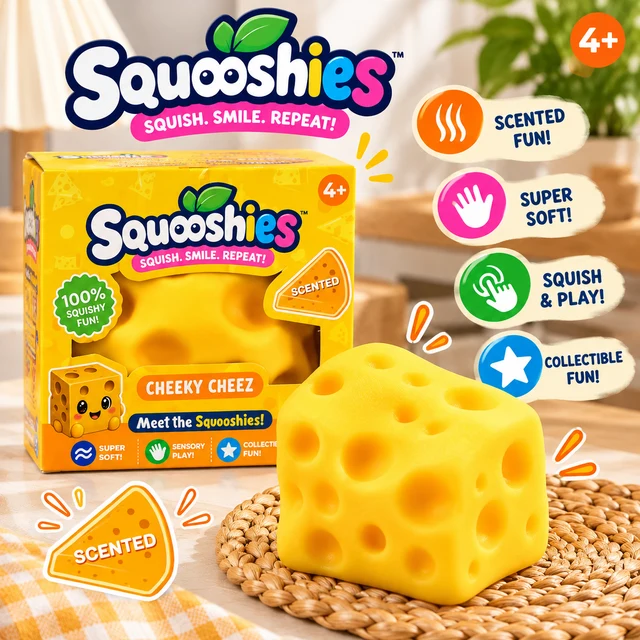
Children often develop strong attachments to their favourite toys. Some toys become part of their daily routine, whether children use them during independent play, family activities or quiet moments at home. However, not every toy is designed to handle regular use. Some products may lose their shape, develop loose parts or become damaged after repeated handling.
Choosing toys for everyday use requires more attention than simply selecting an attractive design. Parents should consider the materials, construction, durability and safety of each product. A suitable toy should be comfortable to handle, easy to maintain and appropriate for the child's age.
Understanding these qualities can help families choose products that remain enjoyable over time. It can also reduce the need to replace toys frequently because of poor construction or unsuitable materials.
Why Durability Matters in Everyday Toys
Durability is one of the most important features of a toy that will be used regularly. Children may carry their favourite toys around the house, squeeze them, place them in storage or use them during different activities. Frequent handling can put pressure on materials and connecting parts.
A durable toy should be made to withstand normal use without quickly losing its original condition. Strong stitching, secure joints and suitable materials can help improve its lifespan.
For example, a plush toy with properly finished seams is less likely to develop loose stitching during ordinary play. Similarly, a well-constructed plastic toy should have secure connections and smooth edges.
Parents should remember that no toy lasts forever. Its lifespan depends on the material, design, frequency of use and how it is handled. However, checking construction quality before purchasing can help avoid products that appear weak from the beginning.
Choosing Materials That Can Handle Regular Use
The materials used in a toy have a direct effect on its performance. Different materials are suitable for different types of play. Plastic, fabric, silicone, rubber, foam and wood are commonly used in children's products.
Parents should consider whether the material is appropriate for the toy's intended purpose. A soft toy should have comfortable fabric and suitable filling. A squeeze toy should be made from material designed to handle normal pressure without easily tearing.
Plastic toys should have smooth surfaces and properly finished edges. Products made from fabric should have secure seams and materials that are suitable for repeated handling.
Material information is particularly useful when buying toys online. Reading product descriptions can help parents understand what a product is made from and how it should be maintained.
Secure Construction Makes a Difference
A toy may use good materials but still have poor quality if its construction is weak. Parts that are not properly attached can become loose during regular use. This may affect both durability and safety.
Parents should look for secure joints, properly attached decorations and well-finished surfaces. Soft toys should not have loose stitching or exposed filling. Toys with moving sections should be designed to function as intended.
Small decorative parts also deserve attention. Buttons, plastic eyes, wheels and other attachments should be checked carefully. If these parts become loose, they may create risks for younger children.
The overall construction should match the type of activity the toy is designed for. A product intended for frequent handling should not have easily damaged components.
Safety Should Remain a Priority
A toy suitable for repeated everyday use must also be safe for its intended age group. Regular use means children may handle the same product many times throughout the week. This makes it important to select toys with suitable materials and construction.
Parents should check the manufacturer's recommended age and read any warnings on the packaging. Some toys contain small parts that are not appropriate for babies and toddlers. Others may require adult supervision during use.
It is also important to inspect toys regularly. A product that was safe when purchased may become unsuitable if it develops cracks, sharp edges, loose parts or damaged stitching.
Parents should follow the manufacturer's instructions and remove damaged toys from use when necessary. Regular inspection helps identify problems before they become more serious.
Comfort and Ease of Handling
Children are more likely to enjoy toys that feel comfortable and are easy to handle. Size, weight, texture and shape can all influence the play experience.
A toy should be manageable for the child who is expected to use it. Very large or heavy products may be difficult for younger children to carry or control. Smaller toys may be easier to handle, but their components must still be suitable for the child's age.
Texture is another important consideration. Soft plush materials can provide a comfortable feel, while sensory products may offer different surfaces for tactile exploration.
The design should also avoid uncomfortable edges or poorly finished areas. These details can affect how easily children interact with a toy during everyday activities.
Toys That Remain Interesting Over Time
Durability is not the only factor that makes a toy suitable for everyday use. A product should also provide enough interest to encourage children to return to it.
Some toys offer different ways to play. Building blocks can be arranged in many combinations, while creative toys allow children to experiment with different ideas. Imaginative play products can also be used in several situations.
These types of toys may remain interesting because children can create new activities instead of repeating the same action every time.
Simple toys can also provide long-term enjoyment. A product does not need complicated features to be useful. Sometimes, a basic design gives children more freedom to explore and create their own games.
Why Easy Cleaning and Maintenance Matter
Toys used regularly can collect dust, dirt and everyday marks. Some products may also come into contact with food, floors or other surfaces during play.
This makes cleaning and maintenance important considerations. Parents should check whether a toy can be cleaned easily and whether the manufacturer provides clear care instructions.
Soft toys may require machine washing or gentle surface cleaning, depending on their materials and construction. Plastic toys may be easier to wipe clean, while certain sensory products may need specific handling.
Using unsuitable cleaning products can damage the material or affect the toy's appearance. Parents should therefore follow the recommended cleaning method.
A toy that is easy to maintain can be more practical for families, particularly when children use it frequently.
The Importance of Age-Appropriate Design
A toy may be durable and well-made but still unsuitable for a particular child. Age recommendations help parents understand the intended user and identify possible safety concerns.
Younger children often need simple products without small detachable parts. Older children may be ready for toys with more detailed features or challenging activities.
Parents should consider their child's abilities as well as the manufacturer's recommended age. Children develop at different rates, so the right choice should take individual needs into account.
Age-appropriate toys can also make everyday play more enjoyable. When a product matches a child's abilities, they may find it easier to explore and use independently.
Why Product Quality Is More Important Than Packaging
Attractive packaging can make a toy look appealing, but it does not always reflect its actual quality. A colourful box or creative product photograph cannot show how strong the stitching is or whether the materials will handle regular use.
Parents should look beyond packaging and pay attention to practical product details. Material descriptions, dimensions, construction photographs and safety information can provide a better understanding of what they are purchasing.
Customer reviews may also help. Feedback about durability, size and everyday use can reveal details that are not always clear from product photographs.
However, reviews should be considered alongside official product information rather than treated as proof of safety or quality.
Sensory Toys and Repeated Handling
Sensory toys are often designed for repeated interaction. Children may enjoy squeezing, touching and exploring different textures during play.
Squishy toys, for example, can provide a simple hands-on activity. Their suitability for regular use depends on the materials, construction and care instructions.
Parents should check whether the product is intended for repeated squeezing and whether it has any specific handling warnings. They should also inspect its surface regularly for tears, cracks or other signs of damage.
Soft plush toys can also become familiar everyday companions. Secure stitching, suitable filling and easy maintenance are useful qualities when selecting these products.
Families exploring different options can visit https://gifzy.co.uk/ to browse toys and compare the available product information.
Considering Storage and Everyday Practicality
Storage is another factor that can influence how practical a toy is for regular use. Children may have several toys, and keeping them organised can make play areas easier to manage.
Compact toys are often easier to store in boxes, baskets or shelves. Larger products may require more space and careful placement.
Parents should also consider whether a toy has several loose components. Products with many small pieces may need suitable storage to prevent parts from getting lost or becoming accessible to younger children.
Keeping toys in an organised space can also help reduce unnecessary damage. It prevents products from being stepped on, crushed or mixed with unsuitable household items.
How Parents Can Check Toy Quality Before Buying
Before purchasing a toy, parents should review its description and inspect the available product photographs. They should look for information about materials, dimensions, age recommendations and care requirements.
It is useful to consider how the toy will be used. A product intended for daily handling should have suitable construction and materials.
Parents can also compare similar products to understand differences in size, features and maintenance. Customer feedback may provide additional insight into how a toy performs after purchase.
For online purchases, clear product information is particularly important because buyers cannot physically test the item before ordering.
Taking a few minutes to check these details can help families make more confident purchasing decisions.
Making Better Choices for Everyday Play
A toy suitable for repeated everyday use should offer a balance of durability, comfort, safety and practicality. Strong materials and secure construction help it withstand normal handling, while easy maintenance makes it more convenient for families.
Parents should also consider age suitability, storage needs and the child's interests. A toy that matches these requirements is more likely to become a useful part of everyday play.
The best choice is not always the most expensive product or the one with the most complicated features. Simple, well-designed toys can provide plenty of enjoyment when they are made for their intended purpose.
By looking beyond appearance and considering how a product will perform over time, parents can select toys that support enjoyable and practical play experiences.

 English
 Arabic
 French
 Portuguese
 Deutsch
 Turkish
 Dutch
 Italiano
 Russian
 Romaian
 Portuguese (Brazil)
 Greek