


Can Chendiao Fully Automatic Metal Cutting Band Saw Machine Simplify Production
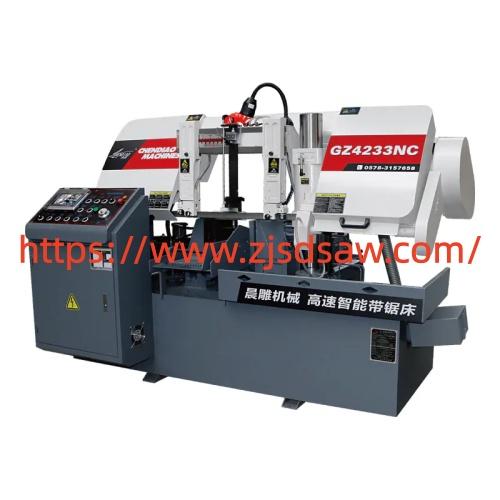
Fully Automatic Metal Cutting Band Saw Machine solutions have become an important subject for manufacturers reviewing their production processes and workshop development plans. As industrial businesses handle different materials, customer requirements, and production schedules, equipment purchasing decisions are becoming increasingly connected to workflow organization. Buyers are no longer concerned only with processing operations. They also want to understand how equipment construction, automation, maintenance, and workplace integration can influence everyday manufacturing activities.
A manufacturing workshop is a connected working environment where every production stage influences the next. Material preparation, equipment operation, product inspection, and internal transportation all contribute to the overall workflow.
When production arrangements depend heavily on repetitive manual activities, employees may need to spend considerable time coordinating routine tasks. This can make production planning more complicated, particularly when a factory handles different orders or changes its manufacturing priorities.
Automation offers another approach to organizing workshop activities. By introducing equipment with integrated operating functions, manufacturers can establish more structured procedures and coordinate different stages of production.
However, automation should not be considered a replacement for proper production management. Equipment selection still needs to reflect the factory layout, workforce capabilities, material characteristics, and actual processing requirements.
The construction of industrial equipment deserves careful attention during the purchasing process. A machine is not simply a collection of functional components. Its structural arrangement influences accessibility, operation, inspection, and maintenance.
Buyers should consider the frame construction, component positioning, protective arrangements, and overall equipment layout. These details help determine whether a product is suitable for the intended working environment.
Material selection is another relevant consideration. Industrial equipment may incorporate different materials across its structural and functional components. Each material has particular characteristics that can influence durability, wear resistance, and maintenance requirements.
Manufacturers should also pay attention to the accessibility of frequently inspected areas. A practical arrangement can make routine servicing easier for maintenance personnel and help reduce unnecessary interruptions during workshop operations.
Understanding these construction details allows purchasing teams to evaluate equipment based on actual application needs rather than appearance alone.
Automation influences more than the operation of individual machines. It can also change how employees organize their responsibilities throughout the working day.
For example, integrated control functions can help operators coordinate working procedures and monitor operational conditions. Depending on the equipment configuration, automated operations may reduce the need for repeated manual intervention during suitable production tasks.
This can give employees more time to focus on material preparation, product inspection, production coordination, and equipment monitoring.
The working interface also deserves attention. Clear controls, accessible operating areas, and understandable procedures can make equipment easier to incorporate into an existing workplace.
For manufacturers, the objective is to select technology that addresses real production challenges. Additional functions are valuable when they have a clear purpose and fit the actual requirements of the workshop.
Purchasing decisions should begin with a clear understanding of the intended application. Different manufacturers work with different materials, production arrangements, and customer expectations. A purchasing checklist can help businesses compare available solutions more systematically.
Material compatibility should be considered first. Buyers need to communicate the types of workpieces involved and discuss whether the proposed equipment is appropriate for their processing needs.
Workshop integration is another important factor. The available floor space, material transportation routes, operator positioning, and surrounding equipment should all be considered before installation.
Maintenance arrangements also deserve attention. Purchasing teams can ask manufacturers about inspection procedures, component replacement, technical assistance, and the availability of relevant support services.
Finally, businesses should consider the manufacturer's communication and product knowledge. Clear discussions about application requirements can help avoid misunderstandings and support more informed purchasing decisions.
An equipment purchase often involves long term cooperation between a manufacturer and an industrial customer. Product information, technical communication, application guidance, and after sales support can all influence the purchasing experience.
Chendiao serves customers looking for industrial metal processing equipment and solutions for different workshop requirements. When evaluating its product offerings, buyers can consider the equipment structure, operating arrangements, application suitability, and available manufacturing support.
Communication with the manufacturer also gives purchasing teams an opportunity to discuss their specific working conditions. This is particularly useful when a business needs to coordinate equipment selection with production managers, technical personnel, and purchasing departments.
A clear understanding of product capabilities and customer requirements helps establish a more practical foundation for supplier cooperation.
Manufacturing requirements rarely remain unchanged. Customer orders, material preferences, product designs, and internal production arrangements can all influence future equipment needs.
For this reason, businesses should consider both current applications and potential changes when reviewing industrial investments. Equipment flexibility, maintenance accessibility, workplace compatibility, and operational procedures are useful factors to include in the evaluation.
A carefully planned purchasing process can also improve communication between different departments. Production managers can explain operational challenges, maintenance personnel can assess servicing requirements, and purchasing teams can compare supplier information.
These perspectives create a more complete understanding of the investment.
For businesses reviewing their manufacturing arrangements, Chendiao offers industrial equipment options worth including in the supplier evaluation process. Visit https://www.zjsdsaw.com/ to view its product range and learn how its equipment offerings may fit different workshop applications and production planning requirements.

 English
 Arabic
 French
 Spanish
 Portuguese
 Deutsch
 Turkish
 Dutch
 Italiano
 Romaian
 Portuguese (Brazil)
 Greek