


Wardrobe Dubai: Discovering Smart and Stylish Storage Solutions
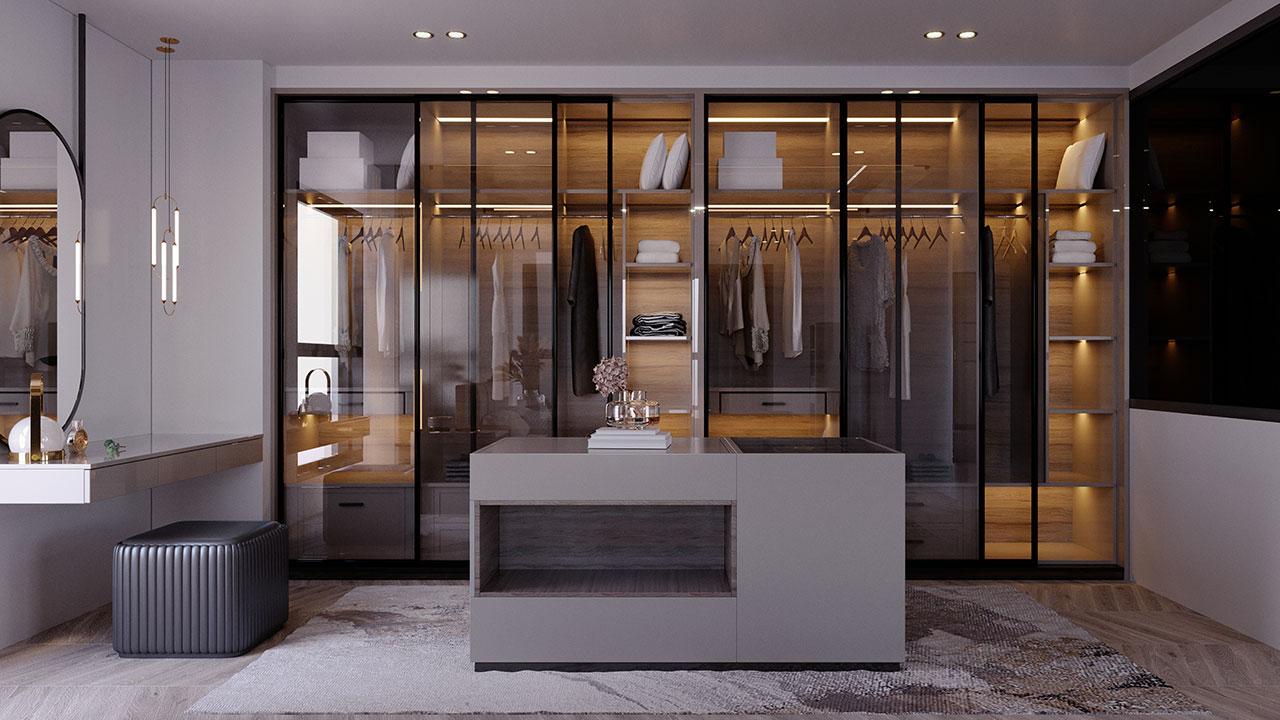
Introduction: Transforming Everyday Storage with Wardrobe Dubai
A well-designed wardrobe is more than a place to keep clothes; it is an essential part of a comfortable, organized, and visually appealing home. In modern interiors, storage needs to balance practicality with attractive design. Wardrobe Dubai solutions offer homeowners an opportunity to create personalized storage spaces that complement their bedrooms, apartments, and contemporary lifestyles. From elegant built-in wardrobes to modern sliding-door systems, the right design can improve room organization while adding a refined touch to the interior.
Choosing Wardrobe Dubai designs involves considering available space, personal storage habits, preferred materials, and the overall style of the home. A wardrobe should provide convenient access to everyday essentials while making the best possible use of the available area. Whether the requirement is a compact wardrobe for a small apartment or a spacious walk-in design for a master bedroom, thoughtful planning can make a significant difference.
Today, Wardrobe Dubai options include innovative layouts, customized compartments, modern finishes, and space-saving features. Homeowners can explore different configurations to create storage that reflects their individual needs. A carefully planned wardrobe not only keeps clothing and accessories organized but also contributes to a more harmonious and welcoming bedroom environment.
Why Modern Wardrobe Designs Matter in Contemporary Homes
Modern homes require storage solutions that support busy routines without compromising interior appearance. Bedrooms often contain clothing, footwear, accessories, bedding, and personal belongings that need separate and accessible storage areas. Without an organized system, these items can quickly create clutter.
A thoughtfully designed wardrobe helps establish a dedicated place for everything. Shelves can accommodate folded garments, hanging sections can keep formal clothing in good condition, and drawers can store smaller belongings. Additional compartments can be included for accessories, bags, and seasonal items.
Another important advantage is visual consistency. A wardrobe occupies a noticeable portion of many bedroom walls, making its appearance an important part of the overall interior design. Selecting suitable colors, materials, and door styles can help create a balanced atmosphere.
Modern wardrobe planning also considers how people use their rooms. A design that provides easy access to frequently worn clothing can make daily routines more convenient. This combination of organization, accessibility, and attractive design makes wardrobe selection an important part of home improvement.
Popular Wardrobe Dubai Designs for Stylish Interiors
1. Built-In Wardrobes for Seamless Storage
Built-in wardrobes are a popular choice for homeowners who want a clean and integrated appearance. These wardrobes are designed to fit into specific wall spaces, making them suitable for bedrooms where efficient use of available room is important.
They can extend from floor to ceiling, providing additional storage for clothing, luggage, bedding, and seasonal belongings. Their integrated appearance can also create a neat visual effect by reducing gaps between furniture and walls.
Built-in wardrobes can be customized with different internal arrangements. Homeowners may choose hanging rails, adjustable shelves, drawers, and separate compartments according to their requirements.
2. Sliding Door Wardrobes for Space Efficiency
Sliding-door wardrobes are particularly useful in rooms where traditional hinged doors might restrict movement. Because their doors move horizontally along tracks, they do not require additional opening space.
This arrangement can make a bedroom feel less crowded and provide easier access to surrounding furniture. Sliding doors are available in different finishes, including wood-effect panels, glass, mirrors, and minimalist matte surfaces.
Mirrored sliding doors can also help reflect light and create a sense of openness, particularly in smaller bedrooms.
3. Walk-In Wardrobes for Dedicated Dressing Areas
A walk-in wardrobe offers a separate space for storing clothing, footwear, and accessories. It can be designed with multiple sections that allow belongings to be arranged according to category or frequency of use.
A spacious walk-in layout may include double hanging rails, open shelves, drawers, shoe racks, and dedicated accessory storage. Lighting can be added to improve visibility and make the area more comfortable to use.
Even when the available room is limited, a compact dressing area can sometimes be created through careful planning. The most important consideration is maintaining convenient movement and ensuring that the storage arrangement suits the available dimensions.
4. Hinged Door Wardrobes for Classic Appeal
Hinged wardrobes remain a practical option for bedrooms with enough clearance in front of the storage unit. Their doors open outward, allowing users to access the entire interior at once.
This design works well with traditional, transitional, and contemporary interiors. Door panels can feature simple finishes, decorative details, mirrors, or modern handles.
A hinged wardrobe can also be customized with internal compartments that suit different clothing and accessory requirements.
5. Corner Wardrobes for Underused Spaces
Corners are sometimes overlooked when planning bedroom storage. A corner wardrobe can turn an otherwise unused area into a practical storage zone.
These designs can be especially useful in compact bedrooms where a standard wardrobe may occupy too much wall space. Depending on the layout, corner units can include shelves, hanging sections, and drawers.
Careful measurement is essential to ensure that the wardrobe remains accessible and does not interfere with doors, windows, or other furniture.
Smart Storage Features That Improve Everyday Organization
Adjustable Shelving for Flexible Storage
Adjustable shelves allow homeowners to change the internal layout as their storage requirements evolve. Different shelf heights can accommodate folded clothing, handbags, storage boxes, and larger personal items.
This flexibility is useful for households with changing needs. Instead of maintaining a fixed arrangement, users can reorganize the wardrobe whenever necessary.
Dedicated Hanging Sections
Hanging sections help keep shirts, dresses, jackets, trousers, and formal clothing organized. A wardrobe may include single or double hanging rails depending on the available height and the types of garments being stored.
Long hanging sections are useful for dresses and coats, while shorter sections can accommodate shirts and trousers. Separating clothing by category can also make everyday selection easier.
Pull-Out Drawers and Organizers
Drawers provide convenient storage for smaller items that may otherwise become difficult to locate. They can be used for socks, undergarments, folded clothing, belts, and other accessories.
Internal dividers can further improve organization by creating separate spaces within each drawer. Soft-close drawer mechanisms may also provide a smoother and quieter experience.
Shoe Racks and Accessory Compartments
Footwear and accessories often require dedicated storage. A wardrobe can include shoe shelves, pull-out racks, belt holders, tie organizers, and compartments for watches or other small belongings.
These features reduce clutter and help protect personal items from unnecessary handling or damage.
Seasonal Storage Solutions
Seasonal clothing and bedding may not be required throughout the year. Upper shelves and larger compartments can provide suitable storage for these belongings.
Using clearly organized storage boxes can make it easier to identify items when they are needed. Keeping frequently used belongings at accessible heights can also improve the overall functionality of the wardrobe.
Choosing the Right Wardrobe Dubai Design for Your Bedroom
Selecting a wardrobe requires more than choosing a visually attractive style. The design should fit the bedroom dimensions, complement the existing furniture, and provide enough storage for everyday belongings.
Measure the Available Space Carefully
Accurate measurements are the foundation of a successful wardrobe design. Homeowners should consider the available wall width, ceiling height, depth, and surrounding furniture.
It is also important to account for windows, electrical outlets, room entrances, and other architectural features. For hinged doors, sufficient opening clearance should be available. Sliding doors may be more suitable when movement space is limited.
Consider Your Storage Requirements
Before selecting a layout, consider the items that will be stored inside the wardrobe. Someone with a large collection of formal clothing may require additional hanging space, while a household with more folded garments may benefit from wider shelves and drawers.
A practical storage plan should include:
- Hanging sections for shirts, dresses, and jackets.
- Shelves for folded garments and bedding.
- Drawers for smaller personal belongings.
- Compartments for bags and accessories.
- Shoe storage for everyday and occasional footwear.
- Upper sections for seasonal items.
Planning these features in advance can help prevent unused compartments and insufficient storage.
Match the Wardrobe with Bedroom Furniture
A wardrobe should complement the room rather than appear disconnected from the surrounding interior. Matching or coordinating its finish with the bed, bedside tables, flooring, and wall colors can create a consistent look.
Neutral colors often work well in contemporary bedrooms because they provide a calm background. However, darker finishes, textured surfaces, and contrasting panels can introduce visual interest when used thoughtfully.
Think About Long-Term Practicality
A wardrobe is an investment that should remain useful as household requirements change. Adjustable shelves, durable hardware, and flexible compartments can make the design more adaptable.
Homeowners should also consider how easy the surfaces will be to clean and maintain. Choosing practical materials can help preserve the wardrobe's appearance over time.
Modern Materials and Finishes for Elegant Wardrobes
Material selection affects the appearance, durability, maintenance requirements, and overall cost of a wardrobe. Different materials offer different advantages, so the final choice should reflect the intended design and available budget.
Engineered Wood for Versatile Designs
Engineered wood products are widely used in contemporary furniture because they can support different finishes and configurations. Depending on the product specification and manufacturing quality, they can provide a practical option for customized wardrobes.
Homeowners should review the board thickness, surface finish, edge treatment, and hardware quality before making a decision.
Natural Wood for Warm Interiors
Natural wood can introduce warmth and texture into bedroom interiors. Its grain patterns create a distinctive appearance that suits both traditional and modern design approaches.
Different wood types have different characteristics, so selection should consider durability, finish, maintenance, and budget.
Glass Panels for Contemporary Style
Glass wardrobe panels can create a sophisticated appearance. Depending on the design, clear, tinted, frosted, or decorative glass may be used.
Glass can work particularly well in modern interiors where homeowners prefer a lighter or more refined visual effect. The selected glass should be appropriate for furniture applications and installed with suitable safety considerations.
Mirrored Finishes for Brighter Bedrooms
Mirrored wardrobe doors can make a room appear more open by reflecting light and surrounding surfaces. They also provide a convenient full-length mirror for dressing.
This option can be useful in smaller bedrooms where adding a separate mirror might take up valuable space.
Matte and Gloss Finishes
Matte finishes create a subtle and understated appearance, while glossy surfaces can introduce brightness and reflect light.
The choice depends on the preferred interior style, lighting conditions, and maintenance expectations. A suitable finish should balance visual appeal with everyday practicality.
Space-Saving Wardrobe Ideas for Small Apartments
Smaller apartments require careful planning because every section of the room needs to serve a purpose. A wardrobe should provide sufficient storage without making the bedroom feel restricted.
Use Vertical Space
Floor-to-ceiling wardrobes can make better use of wall height. Upper compartments can store luggage, seasonal garments, and items that are not needed every day.
This approach can reduce the need for additional storage furniture.
Choose Sliding Doors
Sliding doors can help preserve movement space in compact bedrooms. They allow the wardrobe to remain accessible without requiring a large opening area.
A simple panel design can also support a clean and uncluttered interior appearance.
Use Multi-Functional Furniture
In some bedrooms, wardrobe storage can be coordinated with other furniture. For example, a dressing table or shelving unit may be incorporated into a wider storage arrangement.
The layout should be planned carefully to avoid overcrowding and maintain comfortable movement.
Organize the Interior Efficiently
Small wardrobes benefit from well-planned internal compartments. Pull-out organizers, adjustable shelves, and double hanging rails can help increase usable storage capacity.
Using similar hangers and organizing clothing by type can also make a limited wardrobe easier to manage.
Luxury Wardrobe Dubai Ideas for Modern Homes
Luxury wardrobe design is not defined only by expensive materials. It also depends on thoughtful planning, detailed craftsmanship, convenient features, and a cohesive appearance.
Integrated Lighting Systems
Lighting can improve visibility inside wardrobes and make it easier to locate clothing. LED strips or recessed lighting may be installed in suitable areas, including shelves and hanging compartments.
Sensor-based lighting can activate when wardrobe doors open, although the installation should be planned with appropriate electrical components.
Customized Dressing Sections
A dedicated dressing section can make a wardrobe more convenient. It may include accessory drawers, open shelves, a mirror, and a small area for preparing outfits.
The arrangement should reflect the available room dimensions and the user's daily routine.
Premium Hardware and Finishing Details
Handles, hinges, drawer runners, and sliding tracks contribute to the overall experience of using a wardrobe. Smooth operation and reliable construction are important considerations.
Soft-close mechanisms, well-fitted panels, and carefully finished edges can improve both appearance and usability.
Personalized Interior Configurations
A luxury wardrobe can be designed around a person's clothing collection and organizational habits. Separate spaces for formal wear, casual clothing, shoes, bags, and accessories can make the interior more efficient.
Personalization ensures that the wardrobe supports real storage needs instead of focusing only on external appearance.
Wardrobe Dubai Planning: Common Mistakes to Avoid
Even an attractive wardrobe may become inconvenient if its design does not account for everyday use. Avoiding common planning mistakes can help homeowners achieve better results.
Ignoring Accurate Measurements
Incorrect measurements can lead to installation difficulties, unsuitable proportions, and wasted space. The room should be measured carefully before finalizing the design.
Focusing Only on Exterior Appearance
Beautiful doors and finishes cannot compensate for poor internal organization. Storage compartments should be planned according to the belongings that will be placed inside.
Selecting Inappropriate Materials
Materials should be selected according to their intended use, durability, appearance, and maintenance requirements. Homeowners should understand product specifications rather than choosing solely on the basis of color or price.
Overlooking Door Clearance
Hinged doors require enough space to open comfortably. In smaller bedrooms, failing to account for door movement can make furniture arrangements inconvenient.
Adding Too Many Compartments
A wardrobe with excessive small sections may become difficult to use. The best arrangement provides a practical balance between shelves, drawers, and hanging areas.
Forgetting Future Requirements
Storage needs may change over time. Flexible shelving and adaptable compartments can help the wardrobe remain useful as clothing collections and household routines evolve.
How to Maintain Your Wardrobe and Keep It Organized
Regular care can help preserve the appearance and functionality of wardrobe furniture. Maintenance requirements depend on the materials, finishes, and hardware used.
Dusting the exterior and interior surfaces regularly helps prevent dirt from accumulating. Suitable cleaning products should be used according to the manufacturer's instructions, particularly for wood, glass, mirrored panels, and specialty finishes.
Avoid placing excessive weight on shelves or hanging rails beyond their recommended capacity. Overloading can affect the structure and reduce the lifespan of fittings.
It is also useful to review wardrobe contents periodically. Clothing that is no longer needed can be removed or stored separately, creating more space for frequently used items.
Drawers and shelves should be kept organized to make belongings easier to locate. Hinges, handles, and sliding tracks should be checked occasionally to identify any signs of loosening or unusual movement.
Good ventilation and sensible storage practices can also help keep clothing fresh. Garments should be clean and dry before being placed in the wardrobe, while seasonal belongings can be stored in suitable protective containers.
Understanding Wardrobe Dubai Costs and Customization Options
The cost of a wardrobe depends on several factors, including its dimensions, materials, design complexity, internal configuration, and installation requirements. A simple wardrobe with standard compartments may require a different budget from a fully customized walk-in design.
Material selection is one of the main considerations. Natural wood, engineered boards, glass panels, mirrored doors, and specialty finishes can have different price ranges. Hardware quality can also influence the final cost, especially when the design includes premium hinges, sliding systems, or soft-close mechanisms.
Customization may increase the overall investment because the wardrobe is planned around specific measurements and personal storage requirements. However, it can also help make better use of available space and reduce the need for additional furniture.
Before choosing a design, homeowners should compare detailed quotations and check what is included. Important points include:
- Overall wardrobe dimensions and layout.
- Material type and thickness.
- Door style and finishing options.
- Internal shelves, drawers, and hanging rails.
- Hardware and accessories.
- Delivery and installation arrangements.
- Warranty and after-installation support, where offered.
Comparing these details makes it easier to understand the value of different options. A suitable wardrobe should meet practical requirements while remaining within the planned budget.
The Future of Wardrobe Design: Functionality Meets Personal Style
Wardrobe design continues to evolve as homeowners look for furniture that combines organization, flexibility, and attractive appearance. Modern storage solutions increasingly focus on making everyday activities more convenient while maintaining a clean interior style.
One noticeable direction is the use of personalized internal layouts. Instead of relying on standard compartments, homeowners can select arrangements that reflect their clothing collections and storage habits.
Another important trend is the integration of lighting and practical accessories. Well-positioned illumination, pull-out organizers, and adjustable shelves can improve the overall experience of using a wardrobe.
Minimalist designs are also popular because they create a calm and uncluttered appearance. Simple door panels, coordinated finishes, and concealed handles can help wardrobes blend into contemporary bedroom interiors.
Sustainable material choices are receiving greater attention as well. Homeowners may consider responsibly sourced materials, durable finishes, and products designed for long-term use. Selecting furniture that remains functional over time can reduce the need for frequent replacement.
Ultimately, successful wardrobe design is about creating a balance between personal style and everyday convenience. The most suitable solution is one that uses available space effectively, keeps belongings organized, and complements the home's overall character.
Conclusion: Create a More Organized Home with Wardrobe Dubai
A well-planned wardrobe can transform the way a bedroom looks and functions. From built-in units and sliding-door systems to walk-in dressing areas and customized storage compartments, modern designs offer many ways to improve organization while enhancing interior style. The right choice depends on room dimensions, storage requirements, material preferences, and budget.
Exploring Wardrobe Dubai options allows homeowners to consider designs that combine practical features with contemporary aesthetics. By focusing on accurate measurements, durable materials, suitable finishes, and flexible internal arrangements, it becomes easier to create storage that supports everyday routines.
Whether the goal is to maximize a compact apartment, introduce elegant storage into a master bedroom, or create a personalized dressing area, Wardrobe Dubai solutions can help achieve a more organized and visually balanced home. A thoughtful design is not simply about storing belongings; it is about making better use of space and creating a bedroom that feels comfortable, functional, and welcoming.
Frequently Asked Questions About Wardrobe Dubai
1. What are the most popular wardrobe designs for modern homes?
Popular choices include built-in wardrobes, sliding-door wardrobes, walk-in wardrobes, hinged-door designs, and corner wardrobes. Each option offers different advantages depending on the available space, storage requirements, and preferred interior style.
2. Are sliding-door wardrobes suitable for small bedrooms?
Yes. Sliding-door wardrobes can be suitable for smaller bedrooms because their doors move horizontally rather than opening outward. This can help preserve movement space and make furniture placement more flexible.
3. What is the difference between a built-in wardrobe and a freestanding wardrobe?
A built-in wardrobe is designed to fit a specific wall or room layout, often creating an integrated appearance. A freestanding wardrobe is a separate furniture unit that can generally be moved or repositioned more easily.
4. How can I maximize storage space inside a wardrobe?
Use adjustable shelves, double hanging rails, organized drawers, shoe racks, and upper compartments. Arranging belongings by category and keeping frequently used items accessible can also improve storage efficiency.
5. Which materials are suitable for wardrobe construction?
Common options include engineered wood, natural wood, glass panels, mirrored surfaces, and different decorative finishes. The most suitable material depends on the required appearance, durability, maintenance needs, and budget.
6. Are mirrored wardrobe doors a good choice?
Mirrored doors can reflect light and create a sense of openness, making them useful in smaller bedrooms. They also provide a convenient dressing mirror without requiring separate floor or wall space.
7. What should I consider before ordering a customized wardrobe?
Consider room measurements, ceiling height, door clearance, storage requirements, material specifications, internal compartments, finishes, hardware, installation, and budget. A detailed plan can help avoid design and measurement problems.
8. How much does a customized wardrobe cost in Dubai?
The cost varies according to dimensions, materials, finishes, door mechanisms, internal accessories, and installation requirements. Comparing detailed quotations can help homeowners understand what each option includes.
9. How can I keep my wardrobe organized over time?
Arrange clothing by category, use drawer dividers, store seasonal items separately, and review belongings regularly. Keep surfaces clean and avoid overloading shelves or hanging rails.
10. Can a wardrobe be designed to match existing bedroom furniture?
Yes. A customized wardrobe can be designed with coordinated colors, finishes, handles, and panel styles to complement the bed, bedside tables, flooring, and other bedroom furniture. This helps create a consistent interior appearance.

 English
 Arabic
 French
 Spanish
 Portuguese
 Deutsch
 Turkish
 Dutch
 Italiano
 Russian
 Portuguese (Brazil)
 Greek