


Can Skin Adhesions Develop After Liposuction?
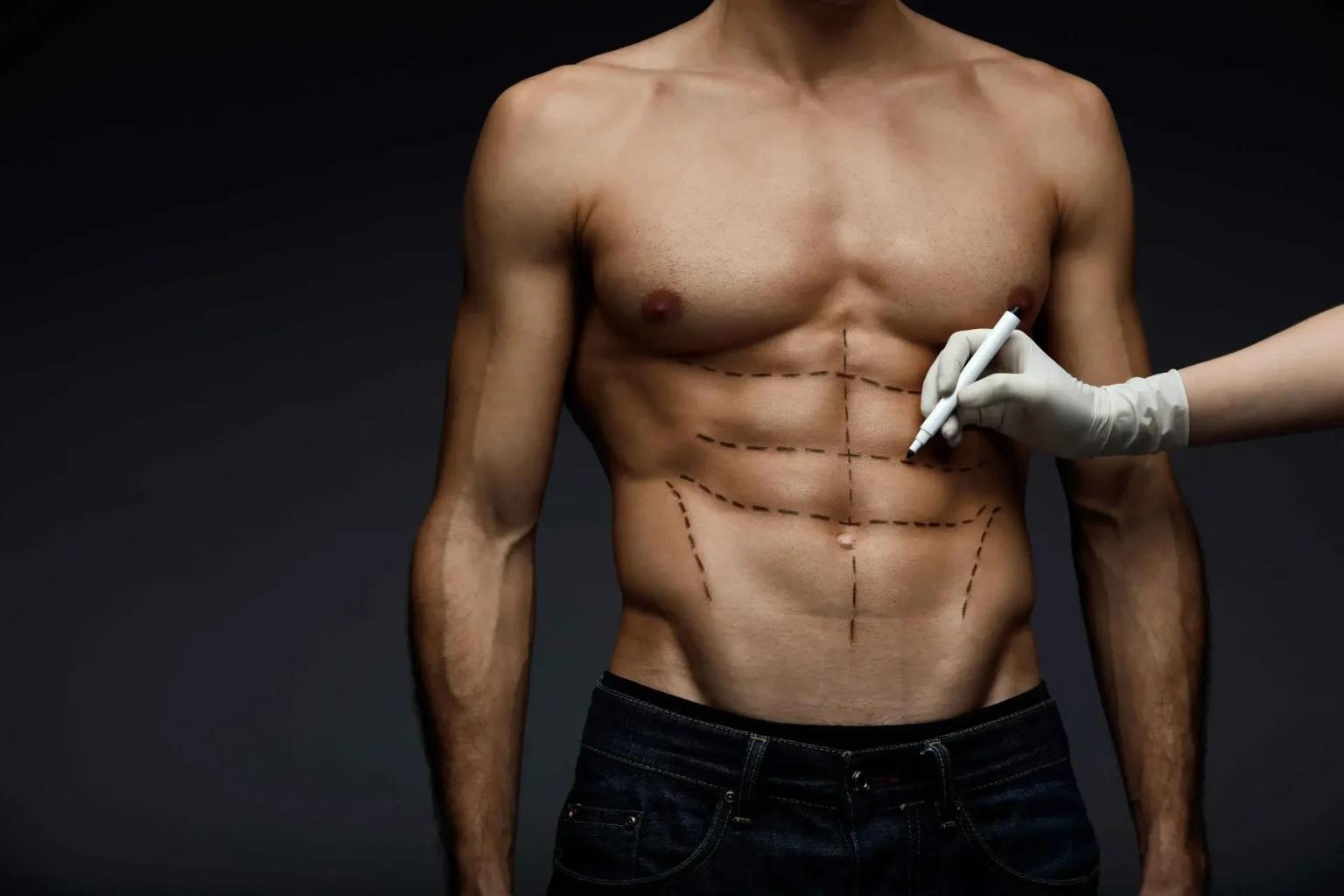
Liposuction is designed to remove stubborn fat and improve body contours, but the healing process involves more than simply losing volume. As the body repairs the treated area, the skin and underlying tissues gradually settle into their new shape. Sometimes, however, scar-like tissue can develop beneath the skin and create tightness, dimples, or areas that appear unusually pulled inward. For people considering Liposuction In Islamabad, understanding post-surgical skin adhesions can help them recognise what is part of normal healing and when professional assessment may be necessary.
Skin adhesions can develop after liposuction, although they are not an expected problem in every patient. Their severity and appearance depend on factors such as tissue healing, the surgical technique, and the extent of treatment.
What Are Skin Adhesions After Liposuction?
Skin adhesions occur when healing tissues become connected in a way that restricts their normal movement. After liposuction, fibrous scar tissue can form within the layer beneath the skin. In some cases, this tissue creates an abnormal attachment between the skin and deeper structures, such as the underlying muscle fascia.
These attachments may make the skin appear tethered or pulled towards one point. Instead of moving smoothly over the underlying tissues, the affected area may develop a visible indentation or uneven contour.
The concern is not simply that scar tissue forms, but that excessive or uneven fibrosis can interfere with the natural movement and appearance of the treated area.
Why Can Adhesions Develop After Liposuction?
Liposuction involves passing a thin cannula through the fatty layer to remove selected fat deposits. This creates controlled tissue trauma, after which the body begins its natural repair process.
Collagen and other connective tissues help repair the treated area. However, when scar tissue develops unevenly or becomes unusually dense, it may produce fibrous bands that pull surrounding tissues together.
Several factors may contribute to this process. Aggressive treatment close to the skin surface, uneven fat removal, excessive tissue trauma, fluid collections, and complications such as infection can affect how the area heals. Individual differences in skin quality and healing responses may also influence the final result.
Adhesions are generally associated with changes in the healing tissues rather than the simple fact that fat has been removed.
Are Skin Adhesions the Same as Normal Post-Liposuction Fibrosis?
The terms fibrosis and adhesions are related, but they do not describe exactly the same thing. Fibrosis refers to the formation of fibrous connective tissue during healing. A certain amount of tissue repair and internal firmness can occur as the body recovers from surgery.
Adhesions involve tissues becoming attached in a way that may restrict movement or create pulling. When fibrosis becomes excessive or develops unevenly, it can contribute to these attachments.
It is also important to distinguish both conditions from temporary swelling and ordinary post-operative firmness. Not every lump, tight area, or uneven patch during recovery indicates a permanent adhesion. A surgeon should assess persistent or concerning changes before any conclusion is made.
What Signs May Suggest Skin Adhesions?
The appearance of adhesions can vary according to their location and severity. Some patients notice a small indentation, while others experience more noticeable contour changes or restricted movement in the treated area.
Possible signs include persistent dimples, hard or cord-like areas beneath the skin, uneven depressions, and a pulling sensation when stretching or contracting nearby muscles. In some cases, the affected skin may appear more tightly attached to the deeper tissues than the surrounding area.
Signs worth discussing with your surgeon include:
-
Visible indentations: Small dents or grooves that remain noticeable as swelling settles.
-
Skin tethering: An area that appears pulled inward rather than lying smoothly over the underlying tissue.
-
Firm fibrous bands: Thick or cord-like areas that can be felt beneath the skin.
-
Uneven contours: Localised depressions or irregularities that do not gradually improve.
-
Restricted skin movement: A section of skin that seems less mobile than the surrounding treated area.
These signs do not confirm adhesions on their own. Residual swelling, uneven fat removal, loose skin, and other healing changes can produce similar appearances.
When Do Adhesions Usually Become Noticeable?
Early after liposuction, swelling, bruising, firmness, and temporary changes in skin sensation are common. These symptoms can make the treated area feel uneven even when the healing process is progressing normally.
As swelling decreases, the underlying contours become easier to assess. Fibrous tissue may continue to remodel over several months, so an early indentation should not automatically be considered a permanent result.
Patients should attend scheduled follow-up appointments rather than judging the final outcome too soon. The timing and progression of symptoms are important when distinguishing normal recovery from a possible complication.
How Do Surgeons Diagnose Post-Liposuction Adhesions?
Diagnosis usually begins with a physical examination and a review of the patient's recovery. The surgeon checks the affected area while the patient is standing, lying down, and, when relevant, moving the nearby muscles.
The examination may include gently assessing skin mobility, tissue firmness, and the location of any indentations. The surgeon also considers the type of liposuction performed, the time since surgery, and whether symptoms have improved or worsened.
In selected cases, imaging such as ultrasound may help investigate a deeper lump or suspected fluid collection. A careful assessment is essential because adhesions, fibrosis, seromas, and contour irregularities may require different approaches.
Can Skin Adhesions Be Treated Without Another Surgery?
Treatment depends on the severity of the adhesion, the stage of healing, and the underlying cause. Mild firmness or early tissue changes may improve as the body continues its natural recovery.
A surgeon may recommend observation and regular follow-up when the area is healing without concerning symptoms. In selected patients, supervised massage or other rehabilitation measures may be considered, but these should only begin when the treating surgeon confirms that they are appropriate.
Some clinicians may consider additional treatments for persistent fibrosis, although evidence for specific non-surgical approaches remains limited. Strong or aggressive massage should not be used to forcefully break down suspected adhesions.
There is no single treatment that works for every patient. The safest plan is based on the actual tissue changes rather than trying multiple treatments without a diagnosis.
When Is Surgical Correction Considered?
If adhesions create persistent, significant indentations or contour irregularities, surgical correction may be discussed after the tissues have had enough time to heal. The surgeon first determines whether the problem is caused by fibrous attachments, excess or missing fat, loose skin, or a combination of these factors.
Depending on the findings, treatment may involve carefully releasing the tethered tissue, revising the contour, or using fat grafting to improve a depression. These procedures require careful planning because additional tissue trauma can create further scarring if performed unnecessarily or too aggressively.
Revision surgery is not always the best option, particularly when the concern is mild or the tissues are still changing. The goal is to restore a smoother contour while avoiding further damage to the healing area.
How Can the Risk of Adhesions Be Reduced?
Careful surgical planning and appropriate aftercare can help reduce the risk of unfavourable healing changes. An experienced surgeon considers fat distribution, skin thickness, tissue anatomy, and the amount of correction required before beginning treatment.
Patients also have an important role during recovery. Following instructions about compression garments, activity restrictions, wound care, and follow-up appointments helps support the healing process.
Compression garments should fit correctly and should not create deep folds or excessive pressure. Patients should avoid changing their garment routine or starting massage and other treatments without medical guidance.
Good surgical technique and consistent aftercare work together to support a more predictable recovery, although no approach can guarantee that adhesions will never develop.
Final Thoughts
Skin adhesions can develop after liposuction when fibrous healing tissue creates unwanted attachments beneath the skin. They may cause dimples, pulling sensations, firm bands, or uneven contours, but similar changes can also occur during normal recovery. A professional examination helps identify the actual cause and determine whether observation, non-surgical management, or revision treatment is appropriate.
For patients considering Liposuction In Islamabad, Plastic Surgery Clinic offers personalised guidance, with experienced board-certified surgeons and advanced body-contouring techniques focused on tissue preservation, balanced results, and patient safety. A thorough consultation can help you understand the procedure, its possible risks, and the steps involved in achieving a smoother body contour.

 English
 Arabic
 French
 Spanish
 Portuguese
 Turkish
 Dutch
 Italiano
 Russian
 Romaian
 Portuguese (Brazil)
 Greek