


How to Find the Best Bakery Packaging for Your Growing Business
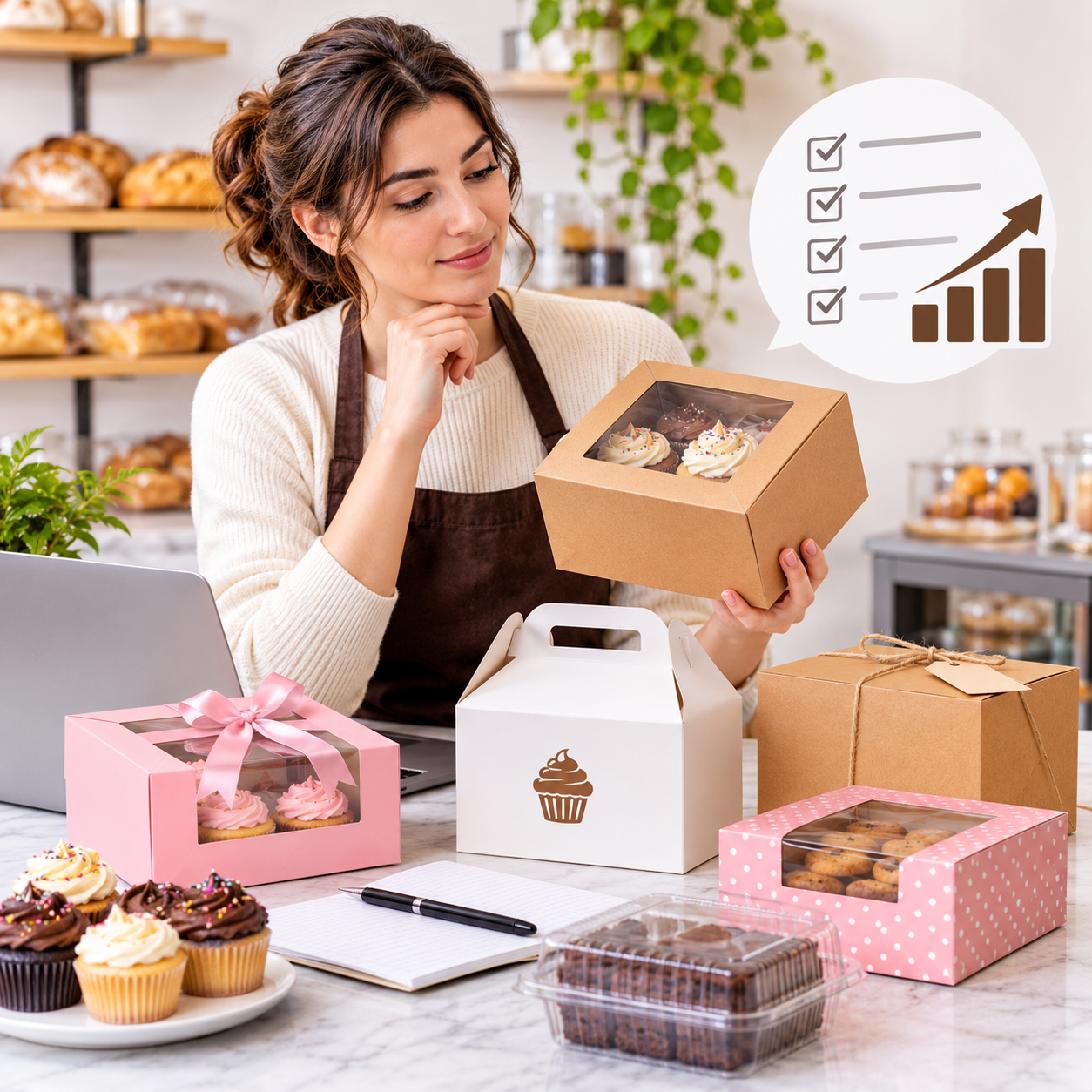
Running a growing bakery business involves more than preparing delicious cakes, cookies, pastries, and other baked goods. You also need attractive, reliable, and practical packaging that protects your products and creates a positive impression on customers. Whether you operate a small home-based bakery, a local bakery shop, or a large commercial baking business, choosing the right packaging can influence your brand image, customer satisfaction, and sales.
As your business grows, your packaging requirements may change. You might need larger quantities, different box sizes, better product protection, or custom designs that reflect your brand identity. Finding the right packaging supplier and selecting suitable materials become important steps in maintaining product quality and managing operating costs.
Wholesale Custom Bakery Packaging offers an effective solution for bakeries that want consistent packaging, professional branding, and better value when ordering in larger quantities. However, finding the best option requires careful consideration of your products, budget, customers, and business goals.
In this guide, we will explore how to select bakery packaging that supports business growth while helping your products stand out in a competitive market.
1. Understand Your Bakery Product Requirements
Before purchasing packaging, identify the types of baked goods your business sells. Different bakery products have different packaging requirements. A cake needs stronger support than a cookie, while delicate pastries require packaging that prevents crushing and protects their appearance.
Start by creating a list of your main products, including:
- Cakes and cupcakes
- Cookies and biscuits
- Doughnuts and pastries
- Cinnamon rolls
- Cake pops
- Brownies and dessert bars
- Bread and other baked goods
Consider the size, weight, shape, and texture of each product. For example, products with frosting or decorative toppings need enough interior space to prevent the packaging from touching their surfaces.
Understanding these requirements will help you choose packaging that protects your products during storage, transportation, and delivery.
2. Choose the Right Packaging Materials
Packaging materials play an important role in protecting baked goods and maintaining their freshness. The right material should provide sufficient strength, suit your product type, and support your brand presentation.
Some commonly used bakery packaging materials include:
Cardboard: Cardboard boxes are popular because they are lightweight, versatile, and suitable for different bakery products. They can also be printed with custom colours, logos, and branding elements.
Kraft paper: Kraft packaging offers a natural appearance that works well for bakeries promoting simple, rustic, or environmentally conscious branding. It can be used for bakery boxes, bags, and food wraps.
Corrugated cardboard: Corrugated materials provide additional strength and cushioning. They are useful for larger cake boxes and products that need extra protection during transportation.
Food-grade paperboard: Food-grade paperboard is suitable for many bakery applications and can provide an attractive surface for printing and branding.
When selecting materials, check their suitability for direct or indirect food contact, depending on how the packaging will be used. Also consider moisture resistance, grease resistance, and structural strength.
3. Compare Wholesale Packaging Options
Packaging expenses can increase as your bakery receives more orders. Buying boxes individually or in small quantities may become expensive and create supply problems.
Wholesale purchasing can help growing bakeries maintain a steady supply of packaging while potentially reducing the cost per unit. However, lower prices should not be the only deciding factor.
When comparing suppliers, consider:
- Minimum order quantities
- Price per packaging unit
- Available box sizes
- Printing and customisation costs
- Production and delivery times
- Material quality
- Bulk order discounts
- Sample availability
Wholesale Custom Bakery Packaging allows businesses to explore packaging options that combine bulk purchasing with brand-specific designs. Before placing a large order, request samples to check the quality, strength, dimensions, and overall appearance.
Compare at least two or three suppliers to understand which one offers the best balance of price, quality, and service.
4. Focus on Customisation and Brand Identity
Your packaging is an important part of your bakery's visual identity. Customers often notice the box before they taste the product. A professional design can make your baked goods look more appealing and help customers recognise your business.
Custom packaging allows you to include:
- Your bakery logo
- Brand colours
- Business name
- Contact information
- Website address
- Social media handles
- Product descriptions
- Special promotional messages
Choose a design that reflects your bakery's personality. For example, a luxury cake business might prefer elegant colours, minimal graphics, and premium finishes. A family-friendly bakery could use colourful designs and playful illustrations.
Avoid overcrowding the packaging with unnecessary information. A clean and attractive design is generally easier for customers to recognise.
Consistency is also important. Using similar colours, typography, and logo placement across your boxes, bags, and labels creates a recognisable brand experience.
5. Select Packaging According to Product Type
One packaging style does not work for every bakery product. Choosing product-specific packaging helps protect baked goods and improves presentation.
For example, cake boxes should provide sufficient height and stability, while cookie boxes should prevent movement and crushing. Cupcake boxes may require individual inserts to keep products in position.
Think about the following packaging solutions:
- Cake boxes with secure closures
- Cupcake boxes with inserts
- Cookie boxes with protective compartments
- Pastry boxes with suitable ventilation
- Bread bags made from appropriate food-contact materials
- Dessert boxes with transparent display windows
Packaging should also be easy for customers to open without damaging the baked goods.
Cake Pop Packaging is particularly important for bakeries selling decorated cake pops. Individual compartments, secure inserts, and appropriately sized boxes can help prevent the products from moving or touching one another. Attractive packaging can also make cake pops suitable for party favours, gifts, and special occasions.
6. Consider Packaging for Delivery and Takeaway Orders
Online ordering, takeaway services, and home delivery have become important sales channels for many bakeries. However, delivering baked goods creates additional packaging challenges.
Products may experience movement, temperature changes, and handling during transportation. Weak packaging can result in damaged decorations, crushed pastries, or messy deliveries.
To improve delivery packaging, consider:
Strong construction: Select boxes that maintain their shape when handled and stacked.
Secure closures: Packaging should remain closed during transportation without being difficult to open.
Proper sizing: Avoid oversized boxes that allow products to move excessively.
Protective inserts: Use inserts or dividers where necessary to keep individual products in position.
Moisture management: Choose suitable packaging that helps manage condensation and moisture without compromising food safety.
If you offer delivery services, test your packaging using real orders before introducing it on a larger scale. This helps identify problems that may not be obvious when inspecting an empty box.
7. Look for a Reliable Packaging Supplier
Finding a dependable supplier is just as important as choosing the right packaging design. A supplier should understand your requirements, communicate clearly, and deliver products according to agreed specifications.
When evaluating a packaging company, consider its experience with bakery packaging, custom printing capabilities, material choices, production capacity, and customer support.
Ask potential suppliers questions such as:
- Can you produce packaging in different sizes?
- Do you offer custom printing?
- Can I order samples before purchasing in bulk?
- What are your minimum order quantities?
- How long does production usually take?
- Can you support repeat orders?
- What quality checks are performed?
A reliable supplier should provide clear information about pricing, materials, specifications, and delivery expectations.
BeTec Packaging is a packaging brand that businesses can explore when looking for custom packaging solutions. When evaluating any packaging provider, compare its available options, customisation services, product specifications, and ordering terms with your bakery's requirements.
Building a long-term relationship with a dependable supplier can make packaging management easier as your business expands.
8. Balance Packaging Quality with Your Budget
Growing businesses need to manage expenses carefully. While premium packaging can improve product presentation, spending too much on boxes may reduce your profit margins.
The goal is to find packaging that offers the right combination of quality, appearance, and affordability.
Start by calculating your packaging cost per product. Include the price of boxes, inserts, labels, printing, shipping, and other related expenses.
For example, if you sell 500 cupcakes each month, calculate how much you spend on individual packaging for those orders. Compare different box sizes and wholesale purchasing options to identify potential savings.
Here are some practical ways to control packaging costs:
- Order frequently used packaging in suitable bulk quantities.
- Choose standard sizes where possible.
- Use custom printing strategically.
- Avoid unnecessary decorative elements.
- Compare multiple suppliers.
- Reduce packaging waste through accurate sizing.
- Review packaging expenses regularly.
Remember that the cheapest option is not always the most economical. If low-quality boxes damage products or create customer complaints, they can cost your business more in the long run.
9. Explore Packaging Designs That Improve Customer Experience
Packaging can contribute to the overall customer experience. Customers appreciate boxes that look attractive, protect their purchases, and are easy to carry.
Consider adding small details that make your packaging more memorable.
For example, branded stickers, printed thank-you messages, attractive labels, and transparent windows can improve presentation without requiring a completely different packaging structure.
You can also create seasonal packaging for occasions such as:
- Valentine's Day
- Easter
- Christmas
- Mother's Day
- Birthdays
- Weddings
- Corporate events
Seasonal designs give customers another reason to purchase your bakery products as gifts.
Cinnamon Roll Packaging is another product-specific consideration for growing bakeries. Cinnamon rolls often contain icing, toppings, or sticky fillings, so their boxes should provide enough space and appropriate protection. Packaging with a suitable grease-resistant food-contact lining can help maintain a neat presentation and make takeaway orders easier to handle.
10. Consider Environmentally Responsible Packaging
Many customers are becoming more interested in packaging materials and waste reduction. Choosing packaging with appropriate environmental credentials can support your brand image and help reduce unnecessary waste.
Some options to explore include recyclable paperboard, responsibly sourced paper, and packaging made with recycled content where suitable for food applications.
However, do not assume that every paper-based or biodegradable product is automatically environmentally friendly. Check the supplier's material information, certifications, disposal instructions, and local recycling requirements.
You can also reduce packaging waste by choosing correctly sized boxes and avoiding excessive layers of wrapping.
A practical approach is to select packaging that protects your products while using materials efficiently.
11. Test Packaging Before Placing Large Orders
One of the most common mistakes growing bakeries make is ordering large quantities of packaging without testing it first.
A box may look attractive in a product photograph but perform poorly when used with actual baked goods. It may be too small, too weak, difficult to assemble, or unsuitable for delivery.
Before committing to a wholesale order, test packaging in real business conditions.
Check the following:
- Does the product fit comfortably inside the box?
- Is there enough space for decorations and toppings?
- Does the box maintain its shape during handling?
- Is the closure secure?
- Can customers open it easily?
- Does the packaging protect the product during delivery?
- Does the printed design match your expectations?
Ask employees or regular customers for feedback if possible. Their observations can help you identify improvements before making a significant investment.
12. Plan Your Packaging for Future Business Growth
Your packaging needs today may be different from your requirements six months or a year from now. As your bakery grows, you may introduce new products, expand delivery services, or open additional locations.
Choose packaging solutions that can adapt to these changes.
For example, you might begin with a few standard box sizes and gradually introduce custom packaging for bestselling products. You can also maintain a small inventory of commonly used packaging while ordering specialised boxes according to demand.
Keep track of packaging inventory, supplier lead times, and monthly usage. This will help you avoid running out of essential supplies during busy periods.
Planning ahead also makes it easier to negotiate wholesale pricing and maintain consistent packaging quality across different sales channels.
Common Mistakes to Avoid When Choosing Bakery Packaging
Even attractive packaging can create problems if it does not meet your business requirements. Avoid these common mistakes:
Choosing appearance over protection: Beautiful packaging is ineffective if it cannot protect the baked goods.
Ignoring product dimensions: Incorrect sizing can damage products or increase material costs.
Ordering too much too soon: Large orders can tie up money and create storage problems, particularly when designs or product requirements change.
Overlooking food safety: Always check whether packaging materials are appropriate for their intended food-contact application.
Ignoring delivery requirements: Packaging suitable for shop displays may not be strong enough for transportation.
Choosing suppliers based only on price: Consider reliability, quality, communication, and delivery performance.
Avoiding these mistakes can help you make better packaging decisions and reduce unnecessary expenses.
Conclusion
Finding the best bakery packaging for your growing business requires a balance of product protection, attractive design, affordability, and supplier reliability. From choosing suitable materials to comparing wholesale options, every decision can influence your bakery's efficiency and customer experience.
Start by understanding your products, selecting appropriate box sizes, and identifying packaging materials that meet your requirements. Focus on consistent branding, test samples before ordering in bulk, and work with suppliers that can support your future needs.
Wholesale Custom Bakery Packaging can help growing bakeries maintain consistent packaging, improve brand recognition, and manage bulk purchasing more effectively. With the right strategy, your packaging can become more than a container for baked goods. It can become an important part of your brand identity and business growth.
Frequently Asked Questions (FAQs)
1. What is the best packaging for a growing bakery business?
The best packaging depends on your products, budget, and sales channels. Cardboard boxes, kraft packaging, and food-grade paperboard are common choices for cakes, cookies, pastries, and other baked goods.
2. Why should bakeries choose wholesale custom packaging?
Wholesale custom packaging can help bakeries maintain consistent branding, purchase larger quantities, and potentially reduce their packaging cost per unit.
3. How do I choose the right bakery packaging supplier?
Compare suppliers based on product quality, customisation options, minimum order quantities, pricing, sample availability, production times, and customer service.
4. Is custom bakery packaging worth the investment?
Yes, custom packaging can improve brand recognition and create a more professional customer experience. The investment should be balanced against your budget and expected order volume.
5. What packaging is suitable for cake pops and cinnamon rolls?
Cake pops benefit from appropriately sized boxes with secure inserts, while cinnamon rolls need packaging that provides sufficient space and suitable grease resistance for their toppings and fillings.
6. How can I reduce bakery packaging costs?
Consider bulk purchasing, standard box sizes, supplier comparisons, efficient inventory management, and packaging designs that avoid unnecessary materials.
7. Should small bakeries invest in custom packaging?
Small bakeries can start with simple branded labels, stickers, or stamps and gradually move towards fully customised boxes as their sales and packaging requirements increase.

 English
 Arabic
 French
 Spanish
 Portuguese
 Deutsch
 Turkish
 Dutch
 Italiano
 Russian
 Romaian
 Greek