


Electrician Scissors: Essential Cutting Tools for Electrical and Cable Installation Work
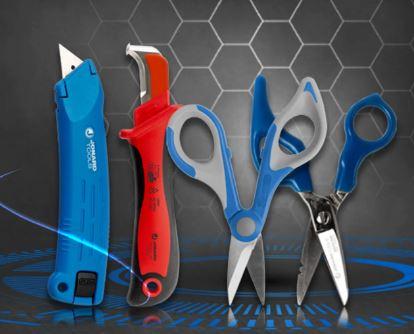
Precision matters in electrical and telecommunications work. Whether technicians are trimming wires, cutting cable insulation, preparing fiber optic materials, or completing routine maintenance, having the right cutting tool can make every task easier. Using ordinary scissors or an unsuitable knife may result in uneven cuts, damaged materials, or unnecessary hand fatigue.
This is why professional Electrician Scissors are an important part of a technician's toolbox. Designed for practical cutting and cable preparation tasks, they offer features that help professionals work with better control and efficiency. From electrical installations to telecom maintenance, quality Scissors and Knives support a smoother workflow and more consistent results.
Why Regular Scissors Are Not Always Suitable for Electrical Work
Everyday scissors are generally designed for paper, fabric, and lightweight materials. Professional technicians often deal with tougher materials, including cable insulation, wires, Kevlar, plastic, and other installation materials.
Using an unsuitable cutting tool can create several challenges:
-
Uneven cuts: Weak or unsuitable blades may struggle with thicker materials.
-
Material slipping: Smooth blades may not hold wires securely during cutting.
-
Damaged cable components: Excessive pressure or incorrect cutting angles can affect the material being prepared.
-
Hand fatigue: Poor handle design can make repeated cutting uncomfortable.
-
Extra preparation time: Switching between scissors, wire strippers, and knives can interrupt work.
Professional electrician scissors are designed to address many of these everyday challenges through stronger blades, specialized cutting edges, and additional functions.
Different Types of Scissors and Knives for Technicians
Not every cutting task requires the same tool. Understanding the available options helps professionals choose equipment that matches their work.
1. Electrician Scissors
Electrician Scissors are designed for common electrical and cable preparation applications. Many professional models include serrated blades that help hold wires in position while cutting.
Some designs also feature stripping notches for specific wire gauges, allowing technicians to perform basic wire preparation without changing tools. Additional features, such as a scraper and file, can help with small cleanup tasks.
For example, Jonard Tools ES-1964 Electrician's Scissors are made from hardened chrome vanadium steel and include a serrated edge, wire-stripping notches for 18-20 AWG and 22-24 AWG wires, and a scraper and file on the back of the blade.
These features make electrician scissors useful for professionals who regularly handle wires and cables.
2. Communication Scissors
Communication scissors are useful for technicians working in telecommunications and electrical applications. They are designed to handle compatible cable cutting and wire preparation tasks.
The Jonard JIC-195 Stainless Steel Communication Scissors feature high carbon stainless steel blades and a serrated edge for improved grip while cutting. They are designed to cut cables up to 1/4 inch in diameter.
This type of tool can be particularly helpful for technicians who need a practical cutting solution for daily cable installation and maintenance.
3. Heavy Duty Scissors with Wire Strippers
Some professional scissors combine cutting and stripping functions in one tool. This design can reduce the number of separate tools technicians need to carry.
The Jonard JIC-183 Heavy Duty Scissors with Wire Stripper are designed for cutting compatible materials such as copper, aluminum, leather, and plastic. They also include stripping holes for 12 AWG, 14 AWG, and 18 AWG wires.
When selecting multifunction scissors, always check the manufacturer's material and wire-size limitations. Not every cutting tool is suitable for hardened metals or every type of cable.
4. Cable Splicing and Utility Knives
Scissors are not the best choice for every cutting application. Knives are useful when technicians need to slit cable jackets, remove insulation, or make controlled cuts through suitable materials.
For example, the Jonard KN-7 Ergonomic Cable Splicing Knife features a sharp cutlery steel blade and a thermoplastic rubber handle designed to provide a comfortable, non-slip grip.
Choosing a knife with the appropriate blade shape and handle design helps improve control during cable preparation.
How the Right Cutting Tools Solve Common Job Site Problems
Selecting suitable Scissors and Knives can help technicians avoid common issues during installation and repair work.
Problem: Wires move while being cut.
When wires slip between the blades, cuts can become uneven. Scissors with serrated edges can help hold compatible wires in place during cutting.
Problem: Repeated cutting causes hand fatigue.
Technicians who perform repetitive tasks may experience discomfort when using poorly designed handles. Ergonomic handles and spring assisted designs can improve comfort during extended work.
Problem: Multiple tools are needed for basic preparation.
Switching between scissors and wire strippers can slow down a job. Multifunction scissors with suitable stripping notches can simplify certain wire-preparation tasks.
Problem: Cable insulation is difficult to remove.
Scissors are not always the best option for removing thicker insulation. A suitable cable knife or dedicated stripping tool can provide better control for the application.
What to Consider When Choosing Professional Scissors and Knives
Before purchasing professional cutting tools, consider the materials and tasks you handle regularly.
-
Blade material: Look for durable materials designed for the intended cutting application.
-
Cutting capacity: Check the maximum cable or wire size supported by the tool.
-
Blade design: Serrated edges, specialized notches, and blade shapes serve different purposes.
-
Handle comfort: Ergonomic grips can make repeated work more comfortable.
-
Additional features: Scrapers, files, stripping notches, and safety locks can improve convenience.
-
Maintenance: Keep blades clean, inspect them regularly, and sharpen or replace them according to manufacturer recommendations.
Always use each tool within its specified limits. Cutting tools should also be handled and stored carefully to reduce the risk of accidental injuries.
Explore Jonard Tools Scissors and Knives
Jonard Tools offers a range of professional cutting tools for technicians working in telecommunications, fiber optics, low voltage, electrical, and other industries.
The product selection includes electrician scissors, communication scissors, heavy-duty scissors, cable splicing knives, and sharpening tools. Models such as ES-1964, ES-1964DS, ES-1964ERG, JIC-183, JIC-195, and KN-7 are designed to support different professional applications.
Jonard Tools also offers the KSS-1 Knife and Scissor Sharpener, which uses a tungsten carbide honing steel to help restore cutting edges. Its safety guard helps protect fingers during sharpening.
The company's commitment to quality is reflected in its Made for Life guaranteed for life policy.
Make Cable Preparation Easier with the Right Cutting Tools
The right cutting tool can improve accuracy, reduce unnecessary effort, and help technicians complete everyday installation tasks more efficiently. Whether you need electrician scissors for wire preparation, communication scissors for telecom applications, or a cable splicing knife for insulation work, selecting the correct tool is essential.
Explore Jonard Tools range of professional Electrician Scissors and Knives to find practical cutting solutions designed for the demands of electrical and telecommunications work.

 English
 Arabic
 French
 Spanish
 Portuguese
 Deutsch
 Turkish
 Dutch
 Italiano
 Russian
 Portuguese (Brazil)
 Greek