


Sustainable Solutions for Demolition Waste Removal in Leeds
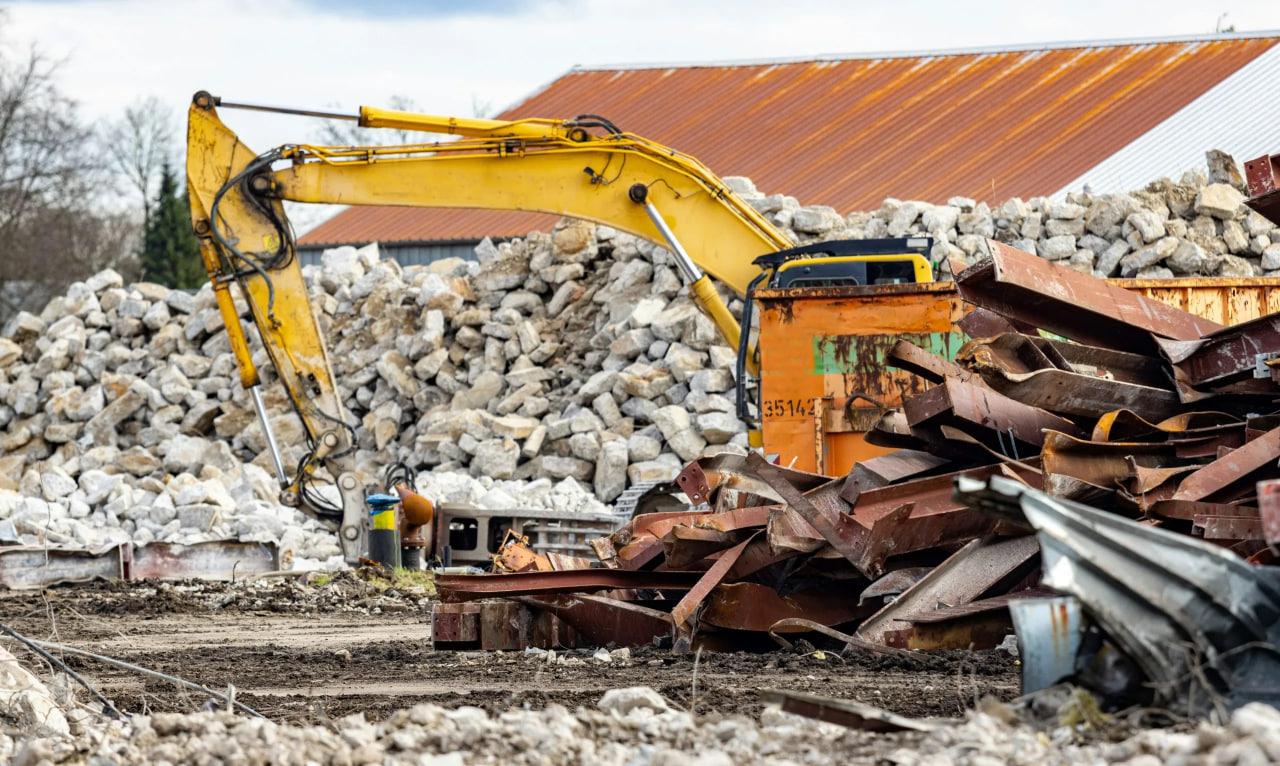
Demolition projects play an important role in urban development, property renovation, infrastructure improvements, and commercial construction. As buildings are removed or renovated, large quantities of waste materials are generated, including concrete, bricks, timber, metal, plasterboard, soil, and other construction debris.
Managing these materials responsibly is essential for protecting the environment, maintaining safe working conditions, and supporting sustainable development. In Leeds, where construction and redevelopment continue to transform residential and commercial areas, sustainable waste management has become increasingly important.
Effective demolition waste removal Leeds services help contractors, property owners, and construction businesses dispose of unwanted materials efficiently while reducing the environmental impact of demolition activities. By prioritising recycling, reuse, responsible transportation, and proper disposal, construction projects can become more environmentally friendly and cost-effective.
Understanding Demolition Waste
Demolition waste consists of materials generated when buildings, structures, and other construction elements are dismantled or removed. Depending on the type of property and demolition method, waste may include bricks, concrete, roofing materials, wood, metal, glass, insulation, soil, and mixed rubble.
Not all demolition waste needs to be sent to landfill. Many materials can be recovered, recycled, or reused in other construction projects. Concrete and bricks can often be crushed and processed into aggregates, metals can be recycled, and reusable timber may be repurposed for different applications.
Understanding the composition of demolition waste is the first step towards developing an effective waste management strategy. Separating materials at the site makes recycling easier and helps businesses reduce unnecessary disposal costs.
Reducing Environmental Impact Through Recycling
Recycling is one of the most effective ways to make demolition activities more sustainable. Instead of transporting every material to landfill, construction businesses can identify recyclable resources and direct them towards appropriate processing facilities.
Concrete, brick, and masonry materials can often be crushed and reused for road foundations, drainage systems, landscaping, and construction groundwork. Metal waste, including steel and aluminium, can be collected and recycled into new products. Timber may also be reused or processed where suitable facilities are available.
Using professional demolition waste removal Leeds services can help contractors manage different waste streams efficiently. Experienced waste removal providers understand the importance of separating materials and transporting them to suitable recycling or recovery facilities.
This approach reduces landfill dependency, conserves natural resources, and lowers the environmental footprint of construction projects.
Responsible Waste Segregation on Construction Sites
Waste segregation is another important element of sustainable demolition management. When different materials are mixed together, recycling becomes more difficult, and valuable resources may be lost.
Construction teams can establish designated areas or containers for materials such as:
- Concrete, bricks, and masonry
- Scrap metal and steel
- Timber and wooden materials
- Plasterboard and gypsum
- Soil and excavated materials
- General non-recyclable waste
Clear segregation procedures allow workers to identify and manage waste more effectively. It also improves site organisation, reduces unnecessary handling, and supports safer working environments.
Planning waste segregation before demolition begins can help contractors save time and prevent avoidable environmental problems during the project.
Efficient Waste Transportation and Site Management
Demolition waste can quickly accumulate, especially during large-scale projects involving commercial buildings, residential properties, or extensive structural renovations. Leaving waste materials on-site for extended periods can create hazards, restrict access, and interfere with construction activities.
Efficient transportation is therefore essential. Appropriate waste removal vehicles can collect substantial quantities of rubble, soil, concrete, and mixed construction materials, helping contractors maintain cleaner and more organised sites.
Reliable demolition waste removal Leeds solutions allow construction teams to schedule collections according to project requirements. Flexible collection arrangements can help prevent waste build-up, reduce delays, and ensure that materials are transported responsibly.
Good site management also includes keeping access routes clear, storing waste safely, and ensuring that collection vehicles can operate without disrupting other activities.
Reusing Materials Wherever Possible
Reusing demolition materials offers environmental and economic advantages. Some materials can be recovered directly from buildings and used again without extensive processing.
Reusable bricks, timber beams, doors, fixtures, paving stones, and architectural components may be suitable for other projects when they remain in good condition. Salvaging these materials reduces the demand for newly manufactured products and helps minimise waste generation.
Contractors can evaluate reusable materials before demolition begins. Careful dismantling, rather than indiscriminate destruction, may allow valuable components to be recovered.
Material reuse also supports a circular economy, where resources remain in productive use for as long as possible instead of being discarded after a single application.
Supporting Sustainable Construction Across Leeds
Sustainable waste management benefits the wider community as well as individual construction businesses. Responsible demolition practices help reduce pollution, conserve resources, and support cleaner neighbourhoods.
Leeds continues to experience development across residential, commercial, industrial, and infrastructure sectors. As projects expand, the demand for reliable waste management solutions increases.
Construction companies that adopt environmentally responsible practices can improve their sustainability performance, demonstrate commitment to environmental protection, and contribute towards broader waste reduction objectives.
Professional waste removal providers also help businesses manage practical challenges, including collection schedules, vehicle access, material handling, and disposal arrangements.
Choosing a Reliable Waste Removal Provider
Selecting the right waste removal company is essential for maintaining efficient and sustainable demolition operations. Contractors should consider the provider's experience, available vehicles, collection flexibility, waste handling procedures, and commitment to responsible disposal.
A dependable service should be capable of managing different types of demolition waste while offering practical solutions for projects of varying sizes. Clear communication and reliable scheduling are particularly important when demolition activities operate under tight deadlines.
Businesses should also ensure that waste is handled in accordance with applicable environmental requirements and that appropriate documentation is maintained where necessary.
A professional provider can help reduce the burden of waste management, allowing construction teams to focus on demolition, site preparation, and project completion.
The Role of MLJ Grab Hire
MLJ Grab Hire provides practical waste removal solutions for construction, demolition, and excavation projects. With services designed to help manage bulky waste, rubble, soil, and other unwanted materials, the company supports contractors who need efficient and reliable site clearance.
Its grab hire services can help reduce the time and labour involved in moving waste, particularly where large quantities of materials need to be collected. Businesses looking for demolition waste removal Leeds can benefit from organised collections, convenient waste transportation, and solutions that help keep construction sites clear and productive.
By making waste removal easier to manage, MLJ Grab Hire helps support smoother project operations and responsible waste handling.
Improving Sustainability Through Better Planning
Sustainable demolition begins long before machinery arrives on-site. Proper planning allows contractors to identify materials that can be reused, determine which waste streams require separate handling, and arrange suitable collection services.
A demolition waste management plan can include estimated waste quantities, recycling opportunities, storage arrangements, collection schedules, and disposal procedures. This preparation reduces unexpected challenges and makes the entire process more organised.
Contractors should also consider using demolition techniques that minimise unnecessary material damage. Selective dismantling can improve material recovery, while careful handling may reduce contamination between recyclable and non-recyclable waste.
These small improvements can collectively make a significant difference to the environmental performance of demolition projects.
Conclusion
Sustainable demolition waste management is essential for modern construction projects in Leeds. Through recycling, material reuse, effective segregation, responsible transportation, and proper planning, businesses can reduce landfill waste while improving site safety and operational efficiency.
Working with an experienced waste removal provider helps contractors manage demolition materials more conveniently and responsibly. By adopting sustainable practices and prioritising efficient waste management, construction businesses can contribute to a cleaner environment while keeping projects organised, productive, and cost-effective.

 Arabic
 French
 Spanish
 Portuguese
 Deutsch
 Turkish
 Dutch
 Italiano
 Russian
 Romaian
 Portuguese (Brazil)
 Greek