


Drug Addiction Treatment Centre in India for Safe Recovery and Healing
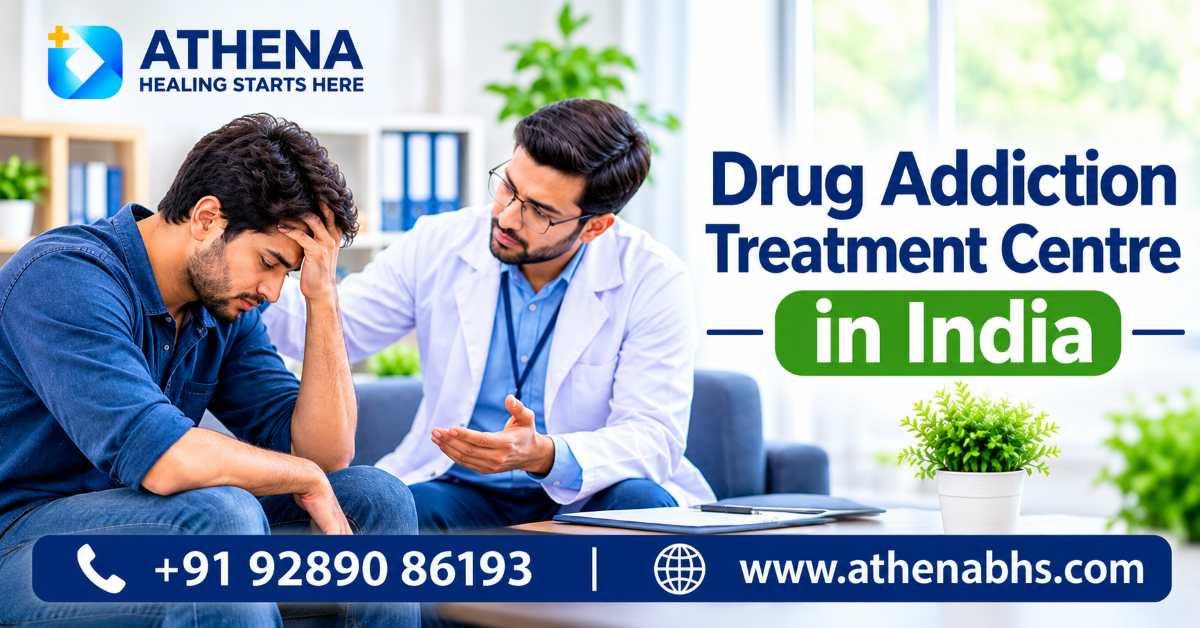
Choosing the right Drug Addiction Treatment Centre in India can be an important step towards overcoming substance dependence and rebuilding a healthier life. Drug addiction can affect physical health, emotional well-being, relationships, and everyday responsibilities. With professional medical care, psychological support, and a structured recovery programme, individuals can understand their condition and work towards lasting positive changes.
Understanding Drug Addiction and Its Impact on Daily Life
When individuals seek a Drug Addiction Treatment Centre in India, understanding the effects of substance dependence is an important starting point. Repeated drug use can change brain functioning, affect decision-making, and create strong cravings. Over time, addiction may interfere with work, education, family relationships, and physical health.
Recognising the Warning Signs of Substance Dependence
Drug addiction can develop gradually, and its signs may differ depending on the substance being used. Common warning signs include:
- Strong cravings and difficulty controlling drug use.
- Increased tolerance and the need for larger amounts.
- Changes in sleep patterns, appetite, or behaviour.
- Withdrawal symptoms when substance use stops.
- Neglecting family, work, studies, or personal responsibilities.
- Continuing drug use despite physical or emotional problems.
- Avoiding social activities and withdrawing from loved ones.
Recognising these symptoms early can help individuals and families seek appropriate professional guidance. A medical assessment can identify the level of dependence and help determine suitable treatment options.
Exploring Professional Treatment Options for Drug Addiction
Access to Drug Addiction Treatment in India can help individuals receive medical supervision, counselling, and structured rehabilitation according to their recovery needs. Treatment should address both physical dependence and the emotional or behavioural factors that contribute to substance use.
Essential Services in a Structured Treatment Programme
A professional treatment programme may include several stages of care:
- Initial assessment: Medical and psychological evaluations help identify individual concerns and treatment requirements.
- Detoxification: Medical professionals supervise withdrawal management when necessary.
- Individual counselling: Sessions help individuals understand personal challenges and substance-use triggers.
- Behavioural therapy: Therapeutic approaches encourage healthier thinking patterns and coping strategies.
Treatment plans should be personalised rather than following the same approach for every individual. Regular assessments also help healthcare professionals review progress and make appropriate adjustments.
Medical Detoxification and Psychological Care During Recovery
Stopping certain substances after prolonged use can lead to withdrawal symptoms that require professional attention. Depending on the substance, symptoms may include anxiety, sweating, nausea, sleep disturbances, mood changes, and physical discomfort. Some withdrawal conditions can become medically serious, making supervised care important.
Combining Medical Support With Evidence-Based Therapy
A reliable Drug Addiction Treatment Centre may provide medical assessment and psychological interventions as part of a coordinated recovery plan. Healthcare professionals evaluate the person's substance-use history, general health, and withdrawal risks before recommending appropriate care.
Psychological therapies can support recovery in several ways:
- Cognitive Behavioural Therapy (CBT): Helps identify unhealthy thought patterns and behaviours linked to drug use.
- Motivational Interviewing: Encourages individuals to build confidence and motivation for recovery.
- Individual Counselling: Provides a safe environment to discuss emotional difficulties and personal concerns.
- Group Therapy: Develops communication skills and creates opportunities for peer encouragement.
- Relapse Prevention Therapy: Helps individuals recognise triggers and practise healthier responses.
Medical treatment and therapy work together to address different aspects of addiction. Progress should be reviewed regularly, with treatment decisions guided by qualified healthcare professionals.
Psychiatric Support and Mental Health Care Alongside Addiction Treatment
Substance dependence can occur alongside depression, anxiety, trauma-related concerns, and other mental health conditions. In some cases, individuals may use drugs to cope with emotional distress, while continued substance use can make psychological difficulties worse. Addressing both concerns is therefore an important part of recovery.
Why Integrated Psychiatric Assessment Matters
A Psychiatric Hospital in India may offer psychiatric evaluations, medication management when clinically appropriate, and psychological support for people experiencing addiction-related mental health concerns. A detailed assessment can help identify co-existing conditions and guide an appropriate treatment approach.
Important areas of mental health care may include:
- Psychiatric consultations and regular follow-ups.
- Support for anxiety, depression, and emotional difficulties.
- Individual and family counselling.
- Stress management and emotional regulation.
- Guidance for improving sleep and daily routines.
- Personalised care plans based on clinical assessments.
Athena Behavioral Health focuses on mental health and addiction care through professional assessment and individualised treatment approaches. Coordinated support can help individuals address emotional challenges while working towards recovery from substance dependence.
Building Long-Term Recovery Through Aftercare and Relapse Prevention
Completing an initial rehabilitation programme is an important achievement, but recovery continues after the structured treatment period. Returning to familiar environments, experiencing stress, or encountering social pressure may create challenges. Continued support can help individuals maintain healthier routines and manage difficult situations.
Practical Steps for Maintaining Progress After Rehabilitation
People exploring the Best Drug Addiction Treatment Centre in India should consider whether the facility provides guidance beyond the initial treatment period. A useful aftercare plan may include:
- Regular medical consultations and counselling sessions.
- Continued participation in suitable support groups.
- Healthy sleep, nutrition, and physical activity routines.
- Identifying and avoiding personal substance-use triggers.
- Developing positive relationships and support networks.
- Practising stress-management and coping techniques.
- Setting realistic personal and professional goals.
Family involvement can also encourage a supportive recovery environment. Loved ones should offer understanding without ignoring harmful behaviours or neglecting healthy boundaries. If cravings return or a relapse occurs, timely professional guidance can help reassess the treatment plan and provide further support.
Conclusion
Choosing a professional Drug Addiction Treatment Centre in India can help individuals begin recovery with appropriate medical care, psychological therapies, and personalised guidance. With continued support, healthy lifestyle changes, and a structured aftercare plan, individuals can work towards rebuilding relationships and improving their quality of life. For treatment-related guidance, contact Athena Behavioral Health at +91 9289086193.
Frequently Asked Questions (FAQs)
- What are the common signs of drug addiction?
Common signs include strong cravings, withdrawal symptoms, behavioural changes, and difficulty controlling substance use. - Why is professional drug addiction treatment important?
Professional treatment provides medical assessment, supervised care, counselling, and structured recovery support. - Is detoxification necessary for every person with drug addiction?
Detoxification depends on the substance used, the level of dependence, and an individual's medical assessment. - Can counselling help individuals recover from drug addiction?
Yes, counselling can help individuals understand triggers, manage emotional difficulties, and develop healthier coping skills. - What is the importance of aftercare following drug addiction treatment?
Aftercare provides continued guidance and support to help individuals maintain recovery and manage relapse risks.

 Arabic
 French
 Spanish
 Portuguese
 Deutsch
 Turkish
 Dutch
 Italiano
 Russian
 Romaian
 Portuguese (Brazil)
 Greek