


Understanding Respiratory Distress in Patients Using Home Ventilators
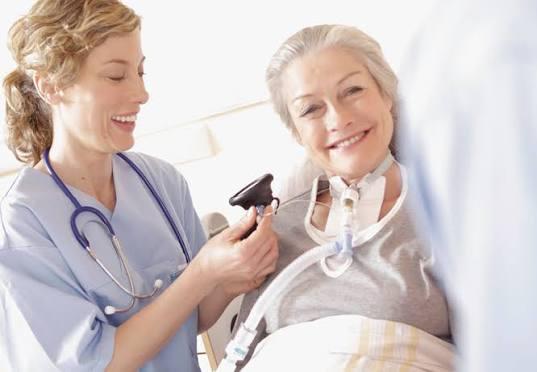
Patients who depend on mechanical ventilation at home need careful monitoring because changes in their breathing can sometimes indicate a serious health problem. Understanding respiratory distress is an essential part of Ventilator Care At Home In Dubai, helping families and caregivers recognize warning signs and seek timely medical assistance. Although a home ventilator supports breathing, it does not eliminate the possibility of respiratory complications. With guidance from qualified healthcare professionals, including a Doctor at Home when appropriate, families can learn what changes to watch for, how to respond safely, and when emergency care is necessary.
What Is Respiratory Distress in Home Ventilator Patients:
Respiratory distress occurs when a person has difficulty breathing or is not receiving adequate respiratory support. In patients using home ventilators, it may develop because of airway obstruction, infection, equipment problems, changes in the underlying medical condition, or other complications. Some patients may show obvious signs, while others, particularly those with limited communication abilities, may express distress through subtle behavioral or physical changes. Respiratory distress should never be dismissed as ordinary discomfort or assumed to be a temporary ventilator issue. Understanding the patient's usual breathing pattern and following an individualized monitoring plan can help caregivers recognize unusual changes and contact the appropriate healthcare professionals promptly.
Common Causes of Respiratory Distress:
Several factors can contribute to breathing difficulties in patients receiving ventilation at home. The possible causes depend on the patient's diagnosis, type of ventilator, airway condition, and overall health. Common contributing factors include:
-
Airway obstruction: Thick secretions, mucus plugs, or a problem with the breathing interface may interfere with airflow.
-
Respiratory infections: Conditions such as pneumonia or other lung infections can affect breathing and increase respiratory support needs.
-
Equipment problems: Disconnected tubing, damaged circuits, leaks, or power interruptions may affect ventilation.
-
Changes in the underlying condition: Existing lung, neurological, or muscular conditions may worsen over time.
-
Aspiration: Food, liquid, or stomach contents entering the airway can cause breathing complications.
-
Fluid-related complications: Certain heart or lung conditions can lead to fluid accumulation that affects breathing.
These are possible causes rather than a diagnosis. Caregivers should avoid trying to identify or treat the underlying problem independently when respiratory distress is suspected.
Warning Signs Caregivers Should Recognize:
Recognizing respiratory distress early can help families seek assistance before a situation becomes more serious. The signs may differ depending on whether the patient uses invasive ventilation through a tracheostomy or non-invasive ventilation through a mask. Caregivers should become familiar with the patient's normal appearance, breathing pattern, alertness, and prescribed monitoring ranges. Warning signs may include:
-
Breathing that appears faster, harder, or more labored than usual.
-
Unusual chest or neck movements during breathing.
-
A sudden increase in ventilator alarms or repeated high-pressure alerts.
-
Bluish or grey discoloration around the lips, face, or fingertips.
-
Unusual sweating, agitation, anxiety, or restlessness.
-
Increased sleepiness, confusion, or difficulty waking.
-
A noticeable change in oxygen saturation compared with the patient's prescribed range.
-
Difficulty speaking or communicating because of breathing discomfort.
Severe breathing difficulty, blue or grey discoloration, unresponsiveness, or suspected airway obstruction requires immediate emergency assistance.
Understanding Changes in Ventilator Alarms:
Ventilator alarms are designed to alert caregivers to changes in equipment function or the patient's respiratory status. However, an alarm does not always indicate the same problem, and its meaning depends on the ventilator model and displayed message. High-pressure alarms may be associated with increased resistance, secretions, coughing, or tubing problems, while low-pressure or disconnection alarms may indicate a leak or disconnected circuit. Caregivers should receive practical training on the specific ventilator used by the patient and understand the manufacturer's instructions. They should never silence repeated alarms without identifying the reason, change prescribed ventilator settings, or attempt unfamiliar repairs. If an alarm continues or the patient appears distressed, they should follow the emergency plan and seek professional assistance.
The Importance of Monitoring Respiratory Changes:
Regular monitoring helps caregivers identify differences between a patient's usual condition and possible signs of deterioration. Depending on the clinical plan, monitoring may include observing breathing effort, checking oxygen saturation, recording pulse rate, and reviewing relevant ventilator information. Some patients may also require professional assessment of other measurements, such as carbon dioxide levels. A pulse oximeter can provide useful information, but a normal reading does not always rule out respiratory distress. Similarly, ventilator displays should be interpreted by people trained to understand the specific equipment. Families should maintain a record of unusual symptoms, alarm events, and monitoring results so that healthcare professionals can assess patterns and make informed decisions about care.
What Caregivers Should Do When Respiratory Distress Occurs:
When a patient shows signs of respiratory distress, caregivers should remain calm and act according to the patient's written emergency plan. They should assess the patient's appearance and responsiveness, check for obvious equipment disconnections if trained to do so, and ensure that emergency contact information is accessible. If the patient has severe breathing difficulty, becomes unresponsive, or shows other life-threatening signs, emergency services should be contacted immediately. Caregivers should not delay emergency assistance while trying multiple troubleshooting steps. They should also avoid changing ventilator settings, administering unprescribed medication, or performing suctioning or airway procedures unless they are trained, authorized, and following the patient's clinical instructions. Clear communication with emergency responders can help them understand the patient's ventilation requirements.
Preventing Respiratory Complications at Home:
Although not every respiratory complication can be prevented, consistent care practices can reduce certain avoidable risks. Prevention should be based on the patient's condition and recommendations from the clinical team. Important measures may include:
-
Follow the prescribed ventilator care and maintenance schedule.
-
Keep ventilator tubing and accessories clean according to manufacturer guidance.
-
Practice proper hand hygiene before and after patient care.
-
Follow the recommended airway and secretion-management plan.
-
Keep scheduled medical and nursing appointments.
-
Monitor for fever, unusual secretions, coughing, or changes in breathing.
-
Ensure caregivers understand equipment alarms and emergency procedures.
-
Avoid exposure to smoke, dust, and other respiratory irritants.
Families should also discuss vaccination recommendations, infection prevention, and any specific respiratory precautions with the patient's healthcare provider.
The Role of Professional Home Nursing Support:
Professional nursing support can help families manage the daily responsibilities associated with long-term ventilation. Trained nurses can monitor the patient's condition, assist with approved care activities, observe changes in respiratory status, and communicate concerns to the wider healthcare team. They can also guide caregivers on equipment checks, hygiene, documentation, and emergency preparedness within their professional scope. Regular professional visits may be particularly helpful for patients with complex needs, limited mobility, or difficulty communicating symptoms. However, home nursing visits do not replace emergency services when a life-threatening situation develops. A clear care plan should explain who to contact, what information to provide, and how urgent concerns should be escalated.
Preparing an Emergency Plan for Home Ventilator Care:
A written emergency plan helps caregivers respond more confidently when breathing difficulties or equipment problems occur. The plan should be prepared with the healthcare team and tailored to the patient's ventilation method, medical condition, and communication needs. It should include emergency contact numbers, the patient's diagnosis and ventilation requirements, instructions for common alarms, backup power arrangements, and details of the equipment supplier. Caregivers should know where essential supplies are stored and how to communicate the patient's needs to emergency responders. Regular training and practice can help family members understand their responsibilities without attempting procedures beyond their competence. The plan should be reviewed whenever the patient's condition, equipment, or care arrangements change.
Final Thoughts
Respiratory distress in patients using home ventilators requires prompt recognition and an appropriate response. Changes in breathing effort, alertness, skin color, oxygen readings, or ventilator alarms may indicate that a patient needs urgent assessment. Families arranging Ventilator Care At Home In Dubai should receive proper training, follow an individualized care plan, and maintain regular communication with qualified healthcare professionals. By understanding warning signs, maintaining equipment correctly, and preparing for emergencies, caregivers can support safer home care while ensuring that serious respiratory problems receive timely medical attention.

 English
 Arabic
 French
 Spanish
 Portuguese
 Deutsch
 Turkish
 Dutch
 Italiano
 Russian
 Portuguese (Brazil)
 Greek