


Custom Made Suit Bangkok: A Complete Guide to Suit Design, Fabric Selection, and Tailoring
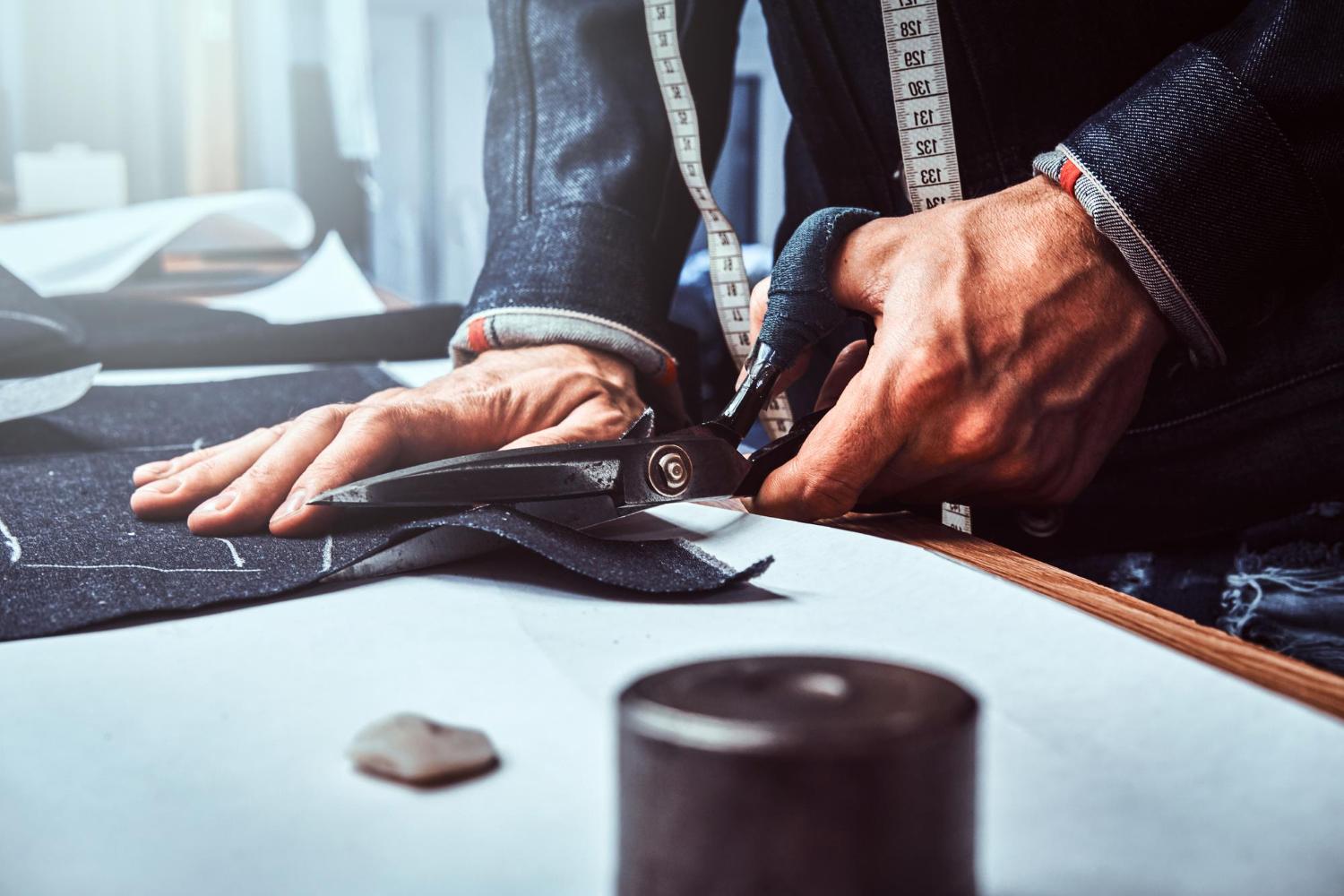
Custom clothing has become an important part of modern fashion, particularly for individuals who prefer garments designed around their measurements and personal preferences. A custom made suit Bangkok is a commonly researched option among international visitors, including individuals from the United States, who are interested in understanding the city's tailoring industry.
Bangkok has a well-established tailoring environment that combines traditional garment-making techniques with contemporary suit designs. Custom suit creation involves several stages, including fabric selection, body measurements, design planning, garment construction, and fitting adjustments. Each stage contributes to the appearance, comfort, and overall quality of the finished garment.
Understanding these elements helps individuals make informed decisions about custom clothing while developing realistic expectations about the tailoring process.
1. Understanding Custom Made Suits in Bangkok
A custom-made suit is a garment developed according to an individual's measurements, design preferences, and clothing requirements. Unlike ready-to-wear suits, which follow standardized sizing systems, custom suits consider individual body proportions.
The process generally begins with a discussion about the intended use of the garment. Business clothing, formal occasions, and professional events may require different styles, materials, and construction details.
A custom made suit Bangkok search often reflects an interest in understanding how local tailoring practices accommodate different clothing preferences. The process may involve selecting jacket styles, trouser designs, fabrics, buttons, lapels, and other garment details.
2. Custom Suits Compared with Ready-to-Wear Options
Ready-to-wear suits are manufactured using standard size categories. Although these garments are designed for a wide range of customers, their proportions may not suit every individual.
Custom suits follow a more personalized approach. Measurements are recorded to determine the dimensions of the jacket and trousers.
Important measurement considerations include:
- Shoulder width and alignment.
- Chest and waist circumference.
- Sleeve length.
- Jacket length.
- Trouser waist and inseam.
- Overall body proportions.
This approach allows the garment to be developed according to individual requirements. It also provides flexibility in selecting design details that may not be available in standard retail clothing.
3. Fabric Selection for Custom Made Suits
Fabric selection is one of the most important stages of custom suit production. The material influences the garment's appearance, texture, weight, durability, and suitability for different weather conditions.
Several fabric categories are commonly used in suit construction.
Wool: Wool is a traditional suit fabric known for its versatility and structured appearance. Different weights and finishes make it suitable for various occasions and seasons.
Cotton: Cotton is a natural material often selected for relatively lightweight clothing. It can provide a less structured appearance than traditional wool suits.
Linen: Linen is commonly associated with warm-weather clothing because of its lightweight and breathable characteristics.
Wool Blends: These materials combine wool with other fibers to create different textures and performance characteristics.
Tropical Wool: Lightweight wool is often considered for warmer climates and professional clothing.
For individuals travelling from the United States, climate should be considered before selecting a fabric. A suit intended for summer use in warmer states may require different characteristics from one designed for colder regions.
4. Popular Custom Suit Designs
Custom tailoring provides flexibility in choosing suit styles according to individual preferences and intended occasions.
Some commonly recognized designs include:
- Single-Breasted Suits: These feature a single front closure and are commonly used for business and formal clothing.
- Double-Breasted Suits: These have overlapping front panels with two rows of buttons, creating a more structured appearance.
- Two-Piece Suits: These consist of a matching jacket and trousers.
- Three-Piece Suits: These include a jacket, trousers, and a matching waistcoat.
Additional design elements include lapel width, pocket arrangements, button placement, jacket vents, trouser cuts, and lining options.
These details contribute to the overall appearance and structure of the finished garment. Their selection generally depends on personal preferences, body proportions, and the purpose of the suit.
5. The Importance of Accurate Body Measurements
Accurate measurements are essential for creating a custom-made suit. They determine the dimensions of different garment sections and help establish appropriate proportions.
Common measurements include shoulder width, chest circumference, waist circumference, sleeve length, jacket length, hip measurements, and trouser inseam.
Posture and body proportions may also influence the final construction. For example, shoulder alignment affects the way a jacket sits, while sleeve length and jacket balance contribute to its overall appearance.
A custom made suit Bangkok process may include additional fittings to assess the garment's comfort and proportions. These adjustments help identify areas that require modification before the final garment is completed.
6. Understanding the Custom Suit-Making Process
Custom suit production generally involves several stages.
Initial Consultation: The individual's clothing requirements, preferred style, and intended use are discussed.
Fabric Selection: Suitable materials are considered according to appearance, weight, texture, and climate.
Measurement Session: Relevant body measurements are recorded to establish garment dimensions.
Pattern Development: A pattern is prepared using the measurements and selected design specifications.
Garment Construction: The fabric is cut, assembled, and stitched according to the chosen construction method.
Initial Fitting: The developing suit is assessed for comfort, length, alignment, and proportions.
Final Inspection: The completed garment is checked for stitching consistency, finishing, and overall appearance.
The production timeline and number of fittings can vary depending on the complexity of the design and the tailoring techniques involved.
7. What US Visitors Should Consider
Individuals travelling from the United States who are researching custom tailoring in Bangkok should consider several practical factors.
Travel Schedule: Custom suit production may require multiple appointments. Sufficient time should be allocated for measurements and fitting adjustments.
Intended Use: The purpose of the suit should be established before choosing its fabric and design. Business clothing may have different requirements from formal event attire.
Climate Requirements: The United States has different regional climates. Material selection should reflect the location and season in which the suit will be worn.
Design Communication: Clear discussions about measurements, fabric preferences, and design details help establish expectations.
Garment Care: Different materials require different cleaning, pressing, and storage practices. Understanding these requirements helps maintain the suit's appearance.
Conclusion
A custom made suit Bangkok represents an approach to clothing that focuses on individual measurements, fabric selection, design preferences, and garment construction. The process involves several important stages, from initial discussions and pattern development to fittings and final adjustments.
For individuals in the United States researching custom tailoring in Bangkok, understanding these elements provides a useful foundation for evaluating the process. Fabric quality, accurate measurements, construction techniques, and intended use all contribute to the suitability of a finished suit. Careful consideration of these factors helps establish realistic expectations about custom-made clothing and its role in professional and formal dressing.

 English
 French
 Spanish
 Portuguese
 Deutsch
 Turkish
 Dutch
 Italiano
 Russian
 Romaian
 Portuguese (Brazil)
 Greek