


Home Theatre Vancouver: A Complete Guide to Home Entertainment Systems, Design, and Installation
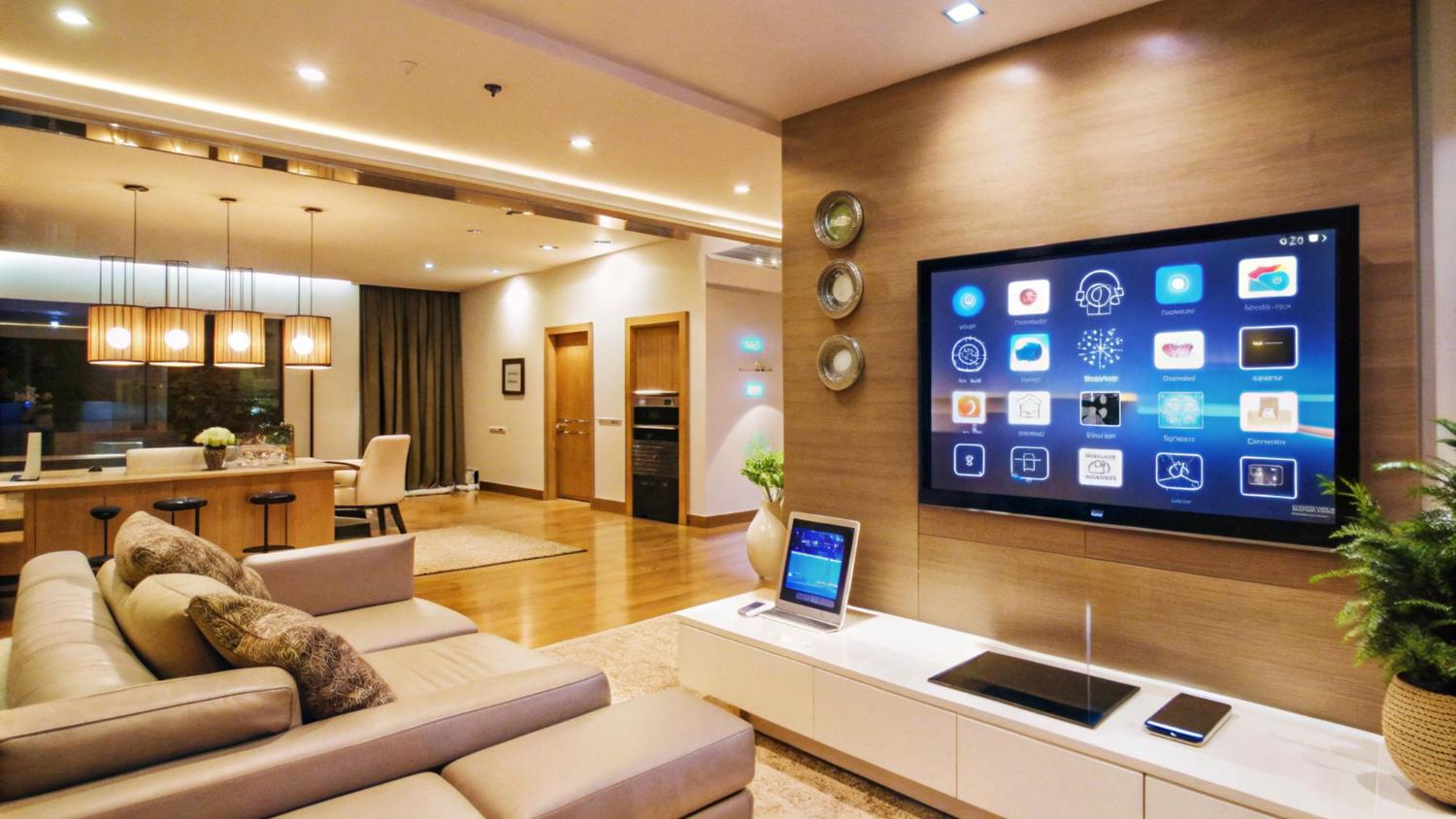
Home entertainment technology has changed significantly over the years, allowing homeowners to create dedicated spaces for watching movies, enjoying music, and experiencing digital content. A home theatre combines audio equipment, visual displays, seating arrangements, and lighting controls to create an immersive entertainment environment within a residential property. Home Theatre Vancouver is a relevant topic for homeowners interested in understanding modern entertainment systems and their applications in British Columbia.
Vancouver has a diverse residential landscape, including detached houses, condominiums, townhouses, and newly developed properties. Each property type offers different possibilities for designing a home theatre. Room dimensions, acoustic conditions, electrical requirements, and equipment compatibility all influence the final setup.
Understanding these factors helps homeowners plan entertainment spaces that suit their available areas, household requirements, and budgets.
1. What Is a Home Theatre System?
A home theatre system is a combination of audio and visual equipment designed to reproduce a cinema-style entertainment experience within a residential environment.
Unlike a standard television setup, a home theatre may include multiple speakers, a large display, a projector, a receiver, and other connected devices.
Common components include:
- Television or projection screen.
- Projector equipment.
- Surround sound speakers.
- Audio receiver.
- Subwoofer.
- Streaming devices.
- Media players.
- Acoustic treatment materials.
- Adjustable lighting systems.
The equipment can be selected according to room size, viewing preferences, and available installation space. Some homeowners prefer simple entertainment arrangements, while others create dedicated rooms with integrated audio and lighting controls.
2. Why Home Theatre Systems Are Relevant in Vancouver
Vancouver's residential properties provide different opportunities for home entertainment installations. Detached houses may have additional rooms or basement areas suitable for dedicated theatre spaces. Condominiums and townhouses may require more compact arrangements.
The city's climate is another consideration. Rainy weather during parts of the year can increase the time residents spend enjoying indoor entertainment.
A properly planned home theatre can provide a comfortable environment for watching films, streaming programs, enjoying sports, and playing video games.
However, residential building layouts, sound transmission, and shared walls should be considered, particularly in condominium buildings.
3. Choosing the Right Display System
The display is one of the most important components of a home theatre. The choice between a television and a projector depends on room dimensions, lighting conditions, viewing distance, and personal preferences.
Large-Screen Television: A television provides consistent brightness and is suitable for rooms with different lighting conditions.
Projector Systems: Projectors can create larger viewing areas and are commonly used in dedicated entertainment rooms.
Projection Screens: A suitable screen can help improve image presentation and viewing consistency.
Resolution: High-resolution displays provide detailed images, particularly when viewed on larger screens.
Viewing Distance: The distance between the seating area and display should be appropriate for the screen size.
Homeowners should also consider available wall space, ceiling height, and natural light before selecting display equipment.
4. Understanding Home Theatre Audio Systems
Sound quality plays an important role in creating an immersive home entertainment experience. A suitable audio arrangement helps reproduce dialogue, background sounds, and effects with greater clarity.
Common audio configurations include stereo, 2.1-channel, 5.1-channel, and more advanced surround sound arrangements.
A typical surround sound system may include:
- Front left and right speakers.
- A central speaker for dialogue.
- Surround speakers.
- A subwoofer for low-frequency sounds.
Speaker placement should be planned according to room dimensions and seating positions.
Acoustic conditions also influence sound quality. Hard surfaces can create unwanted reflections, while carpets, curtains, and suitable acoustic panels may help manage sound reflections.
In Vancouver condominiums, sound insulation and building noise regulations deserve particular attention.
5. Home Theatre Room Design and Layout
Room design affects both the appearance and functionality of a home theatre.
A dedicated entertainment room generally requires careful consideration of seating arrangements, display placement, lighting, and equipment positioning.
Several design elements can influence the overall setup.
Seating Arrangement: Seats should provide comfortable viewing angles and suitable distance from the screen.
Lighting Control: Adjustable lighting helps manage brightness during different viewing activities.
Cable Management: Organized wiring improves safety and keeps the entertainment area uncluttered.
Ventilation: Electronic equipment produces heat, making adequate airflow important.
Storage: Shelves and cabinets can organize media devices, accessories, and other equipment.
For smaller Vancouver homes, multifunctional rooms can provide entertainment facilities without requiring a separate theatre room.
6. Lighting and Smart Home Integration
Modern home theatres may include automated lighting and connected controls. These systems allow residents to manage selected entertainment functions through mobile applications, remote controls, or centralized platforms.
Common features include dimmable lighting, automated curtains, scheduled lighting settings, and integrated audio controls.
For example, lighting can be adjusted automatically when a movie begins. Compatible systems may also allow residents to manage audio and display equipment through a single interface.
Smart home integration should be planned around device compatibility and network reliability.
7. Planning Home Theatre Installation in Vancouver
A successful home theatre installation begins with an assessment of the available space and technical requirements.
Homeowners should consider the following factors before beginning installation:
- Room Dimensions: The room's size and shape influence display selection, speaker placement, and seating arrangements.
- Electrical Requirements: Equipment should have suitable electrical connections and safe power distribution.
- Acoustic Conditions: Sound reflections and noise transmission should be evaluated.
- Internet Connectivity: Reliable internet access supports streaming and connected entertainment devices.
- Ventilation: Proper airflow helps prevent electronic equipment from overheating.
- Building Regulations: Condominium residents should review building policies before making structural or sound-related modifications.
- Budget Planning: Equipment, installation, furniture, wiring, and acoustic improvements should be included in the overall budget.
Professional installation may be appropriate for complex electrical, structural, or integrated audio systems.
8. Common Home Theatre Challenges
Home theatre installations can involve several practical challenges.
Limited room space may restrict screen size and speaker placement. External noise and sound transmission can also affect the viewing experience, particularly in shared residential buildings.
Lighting conditions may create screen reflections, while poor cable organization can affect safety and appearance.
Equipment compatibility is another important consideration. Different audio and visual devices may use different connection standards, requiring careful planning before installation.
Regular equipment maintenance, software updates, and proper ventilation can help maintain system performance over time.
Conclusion
Home Theatre Vancouver is an important topic for homeowners exploring modern residential entertainment solutions in British Columbia. A home theatre combines visual displays, audio equipment, seating, lighting, and connected technology to create an organized entertainment environment.
Successful planning requires attention to room dimensions, acoustic conditions, equipment compatibility, electrical requirements, and local building regulations. Whether installed in a dedicated room or a multifunctional living area, a well-organized home theatre can support different entertainment activities while making effective use of available residential space.

 English
 Arabic
 French
 Spanish
 Portuguese
 Deutsch
 Turkish
 Dutch
 Russian
 Romaian
 Portuguese (Brazil)
 Greek