


Choosing the Right Alloy for the Aluminum Profile Extrusion Process
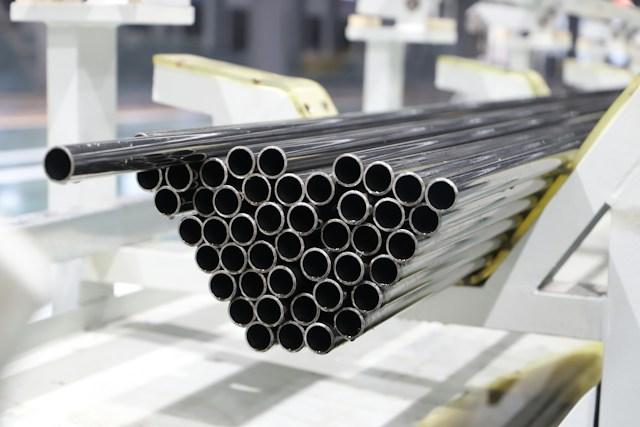
Selecting the appropriate material is a foundational step in manufacturing high-quality components for various industries. The success of any Aluminum Profile Extrusion Process depends heavily on understanding the specific properties required for the final product. Engineers and designers must balance mechanical strength, corrosion resistance, and aesthetic appeal against budgetary constraints. Making an informed decision early prevents costly redesigns and production delays later in the supply chain. This guide outlines critical considerations for selecting the best alloy for your specific application needs to ensure optimal results.
Understanding Aluminum Alloy Series
Aluminum alloys are categorized into series based on their primary alloying elements. Each series offers distinct characteristics that make it suitable for different types of applications. Understanding these differences is essential for making an informed material choice that aligns with project goals.
The 1000 and 2000 Series Characteristics
The 1000 series consists of commercially pure aluminum with at least 99% aluminum content. These alloys offer excellent corrosion resistance and high electrical conductivity but lack significant strength. They are often used in chemical equipment and electrical conductors where formability is prioritized over structural integrity. The 2000 series utilizes copper as the main alloying element, providing high strength comparable to steel. However, these alloys have lower corrosion resistance and are more difficult to extrude, limiting their use in standard profile manufacturing.
The 6000 Series Advantages
The 6000 series combines magnesium and silicon to form magnesium silicide, which allows for heat treatment. This series is the most popular choice for extrusion due to its balanced properties. It offers good strength, excellent corrosion resistance, and superior surface finish capabilities. These alloys are also highly weldable and machinable, making them versatile for structural applications. Common grades like 6061 and 6063 are industry standards for architectural and industrial profiles.
The 7000 Series Applications
The 7000 series uses zinc as the primary alloying element, resulting in some of the strongest aluminum alloys available. These materials are typically reserved for aerospace and high-stress structural applications. While they offer exceptional strength-to-weight ratios, they are generally more expensive and harder to extrude. Their use in standard commercial extrusion is limited due to higher production costs and specialized handling requirements. Designers should only specify this series when extreme strength is a non-negotiable requirement for safety.
Evaluating Mechanical Properties
Mechanical properties determine how a material performs under stress and load. Selecting the right alloy requires a clear understanding of the forces the final profile will encounter during its service life. This ensures long-term durability and reliability in demanding environments.
Strength and Hardness Requirements
Tensile strength and yield strength are critical metrics for structural components. Higher strength alloys can support heavier loads without deforming or failing under pressure. However, increased strength often comes with reduced ductility, making the material more prone to cracking during forming. Engineers must evaluate the maximum expected load and apply appropriate safety factors to prevent failure. Hardness also affects wear resistance, which is vital for moving parts or profiles subject to friction.
Ductility and Formability Factors
Ductility refers to the ability of the material to deform under tensile stress without breaking. High ductility is essential for profiles that require bending or deep drawing after extrusion. Alloys with lower ductility may crack during secondary operations, leading to high scrap rates and increased costs. Formability also influences the complexity of shapes that can be produced during the initial extrusion phase. Materials with good formability allow for thinner walls and more intricate cross-sections in design.
Fatigue Resistance Considerations
Fatigue resistance describes how well a material withstands cyclic loading over time. Components subjected to vibration or repeated stress cycles need alloys with high fatigue limits. Failure to account for fatigue can lead to unexpected fractures even when static loads are within safe limits. This property is particularly important in automotive and transportation applications where vibrations are constant. Proper alloy selection ensures long-term reliability and reduces maintenance requirements significantly.
Assessing Surface Finish and Corrosion Resistance
The visual appearance and durability of the exterior surface are often key decision factors. Different alloys respond differently to finishing treatments and environmental exposure. Choosing wisely ensures the product remains attractive and functional for years.
Anodizing Compatibility
Anodizing is a common electrochemical process that enhances corrosion resistance and allows for coloring. Not all alloys anodize equally well; some produce clearer, more uniform finishes than others. The 6000 series is particularly well-suited for anodizing, offering bright and consistent results for architects. Alloys with high copper content, such as the 2000 series, tend to produce darker, less attractive anodized layers. Designers seeking high-quality aesthetic finishes should prioritize alloys known for their anodizing performance.
Environmental Exposure Risks
Exposure to moisture, salt, and chemicals can degrade aluminum over time significantly. Marine and coastal environments require alloys with superior corrosion resistance to prevent rust. The 5000 and 6000 series generally perform well in these harsh conditions without extra protection. Industrial environments with chemical pollutants may necessitate additional protective coatings or specific alloy choices. Understanding the end-use environment helps prevent premature failure and maintains structural integrity effectively.
Powder Coating Adhesion
Powder coating provides a durable and decorative finish for many aluminum profiles today. Surface preparation and alloy composition affect how well the coating adheres to the metal substrate. Some alloys may require specific pretreatment processes to ensure proper bonding and longevity. Consistency in the substrate material leads to a more uniform and long-lasting coating application. Manufacturers should consult with finishing specialists to match the alloy with the intended coating system.
Balancing Cost and Manufacturability
Budget constraints and production efficiency play a significant role in material selection. The cheapest raw material may not be the most cost-effective option when total manufacturing costs are considered. A holistic approach reveals true value beyond initial purchase price.
Raw Material Price Variations
Alloy prices fluctuate based on the cost of primary alloying elements like magnesium, zinc, and copper. Standard alloys like 6063 are typically more affordable due to high production volumes globally. Specialized alloys with rare elements command higher premiums that can impact project budgets. Procurement teams should monitor market trends and consider long-term supply stability for planning. Bulk purchasing agreements can help mitigate price volatility for large projects effectively.
Extrusion Speed and Efficiency
Some alloys extrude faster and with less energy consumption than others in production. Faster extrusion speeds reduce labor and machine time costs per unit significantly. Alloys that are difficult to extrude may require slower speeds and more frequent die maintenance. These factors directly impact the overall production cost and lead times for delivery. Selecting an alloy that balances performance with manufacturability optimizes the bottom line for businesses.
Waste and Scrap Management
Efficient material usage minimizes waste and reduces disposal costs for manufacturers. Alloys that are easier to recycle within the production loop offer economic benefits over time. Designing profiles to maximize material yield from standard billet sizes is also crucial for efficiency. Minimizing scrap during cutting and machining further enhances cost efficiency in the workflow. A holistic view of the production workflow reveals hidden savings opportunities for smart managers.
Key Takeaway
Selecting the correct alloy is vital for the success of any Aluminum Profile Extrusion Process. Engineers must balance mechanical strength, corrosion resistance, and finish quality against cost constraints effectively. The 6000 series remains the most versatile choice for general applications due to its balanced properties. Understanding specific project requirements ensures optimal performance and longevity of the final product. Careful evaluation of these factors leads to efficient manufacturing and satisfied end users who value quality.

 Arabic
 French
 Spanish
 Portuguese
 Deutsch
 Turkish
 Dutch
 Italiano
 Russian
 Romaian
 Portuguese (Brazil)
 Greek