


How Do I Prepare My Dog or Cat for Upcoming Vet Surgery Prep?
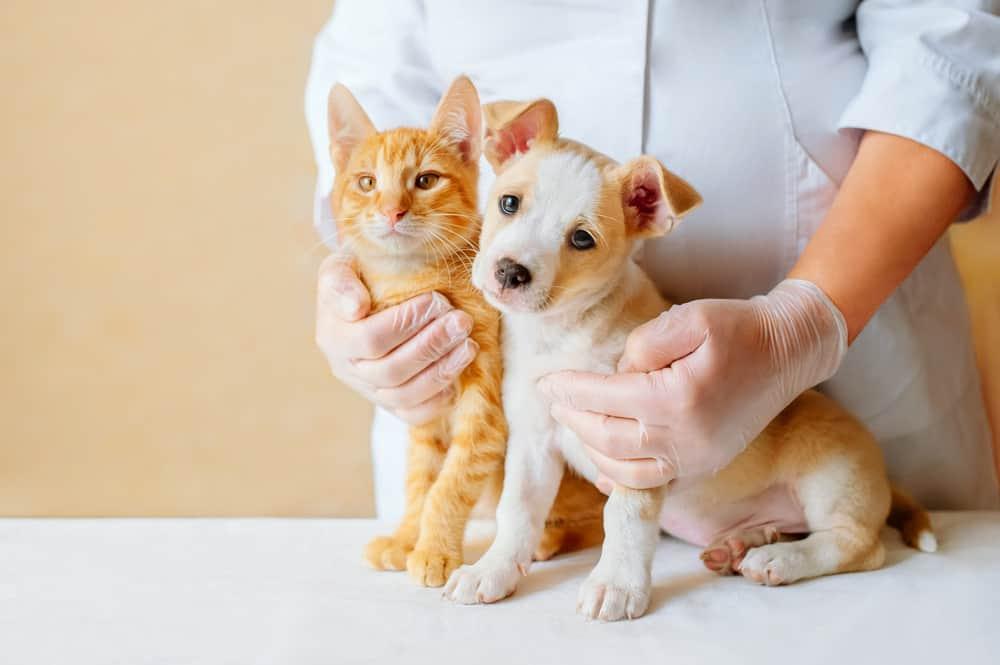
Preparing a dog or cat for an upcoming operation can feel stressful, but thorough vet surgery prep reduces anesthetic risks, simplifies the drop-off process, and sets up a smooth home recovery.
Every surgery should be carefully monitored, with pain relief and gentle aftercare to support a safe recovery. ~ Chatswood Vet
1. Days Before Surgery: Pre-Op Testing & Logistics
Preparation begins well before the night before the procedure. Taking care of administrative and medical details in advance minimizes last-minute delays.
- Complete Pre-Anesthetic Blood Work: Veterinarians strongly advise or require pre-op blood testing prior to general anesthesia. These tests check liver and kidney function, red blood cell counts, and blood clotting capabilities. Identifying silent underlying issues beforehand allows the surgical team to tailor the anesthesia protocol safely.
- Review Prescription Medications: Disclose all current supplements, pain relievers, or daily medications to your clinic. Some drugs (such as certain anti-inflammatories or blood thinners) must be temporarily stopped days before an operation.
- Confirm Vaccination Status: Ensure core vaccines are up to date. Clinics typically require updated records to protect surgical patients staying in recovery wards.
- Acclimate Cats to the Carrier: Leave the cat carrier out in a common room with a soft blanket inside. Allowing your cat to explore it naturally reduces stress when loading them on surgery morning.
2. The Night Before: Fasting & Hygiene
The evening prior to the operation requires strict adherence to fasting protocols to ensure patient safety under general anesthesia.
+-----------------------------------------------------------------------+
|                    THE NIGHT BEFORE SURGERY CHECKLIST                 |
+-----------------------------------------------------------------------+
|  10:00 PM  -> Remove all food and treats (Start mandatory fast)       |
|  Overnight -> Water is generally allowed until early morning          |
|  Hygiene   -> Brush or wipe down coat (Do not give a wet bath)        |
|  Rest      -> Keep activities low-key; keep indoor pets strictly inside|
+-----------------------------------------------------------------------+
Why Fasting Matters
Under general anesthesia, a pet’s normal swallowing and airway protection reflexes are temporarily suspended. If food remains in the stomach, sedation can cause vomiting or regurgitation. This creates a severe risk of aspiration pneumonia, where stomach contents enter the lungs.
- Food Rules: Remove all food, kibble, and treats by 10:00 PM or midnight, unless instructed otherwise by your vet.
- Water Rules: Fresh water is typically fine overnight, but should be pulled first thing in the morning around 6:00 AM or 7:00 AM.
- Exception: Very young puppies, kittens (under 6 months), or diabetic pets require modified fasting schedules to prevent dangerous drops in blood sugar. Always follow clinic instructions for these specific cases.
Coat Hygiene
Infections are best prevented by keeping the skin clean. Give your dog a light bath or wipe down dirty paws the night before. Do not give a wet bath immediately before surgery morning, as damp fur retains cold and complicates body temperature management under anesthesia.
3. Surgery Day Morning: Drop-Off Routine
Keep your own demeanor calm on drop-off morning; dogs and cats readily pick up on human stress and anxiety.
- No Breakfast: Do not give in to begging or hand out “just a small bite.” If your pet accidentally eats something, notify the veterinary team immediately upon arrival. They may need to delay the procedure slightly for safety.
- Morning Medications: Do not give morning doses of routine medications unless explicitly instructed by the veterinarian.
- Bathroom Break for Dogs: Take your dog on a short leash walk before heading inside the clinic so they can empty their bladder and bowels.
- Transport Safety: Keep dogs on a short, sturdy leash and secure cats inside a well-ventilated, hard-shelled carrier lined with a familiar-smelling towel.
4. Setting Up the Home Recovery Zone
Preparing your home while your pet is at the clinic ensures an easy transition back home after discharge.
- Create a Restricted Rest Area: Post-operative pets need a quiet, warm, low-traffic room away from children and other household animals.
- Prevent Jumping: Block access to stairs, high couches, and cat trees. Jumping stretches incision sites and disrupts sutures. Use crates, exercise pens, or small enclosed rooms.
- Traction Control: Place non-slip rugs or runners on hardwood or tile surfaces to prevent slipping when your pet is groggy.
- Incision Protection: Have an e-collar (cone) or a surgical recovery suit ready. Prevent licking at incision sites to avoid secondary infections or opened stitches.
What to Bring to the Clinic
When dropping your pet off for their appointment, bring the following items:
- Updated vaccination records or medical history (if visiting a new or referral surgical center).
- Any daily prescription medications in their original bottles.
- A reliable contact phone number where you can be reached immediately throughout the day for updates or anesthetic consent forms.

 English
 French
 Spanish
 Portuguese
 Deutsch
 Turkish
 Dutch
 Italiano
 Russian
 Romaian
 Portuguese (Brazil)
 Greek