


Can Mouthguards Prevent Serious Dental Injuries Effectively?
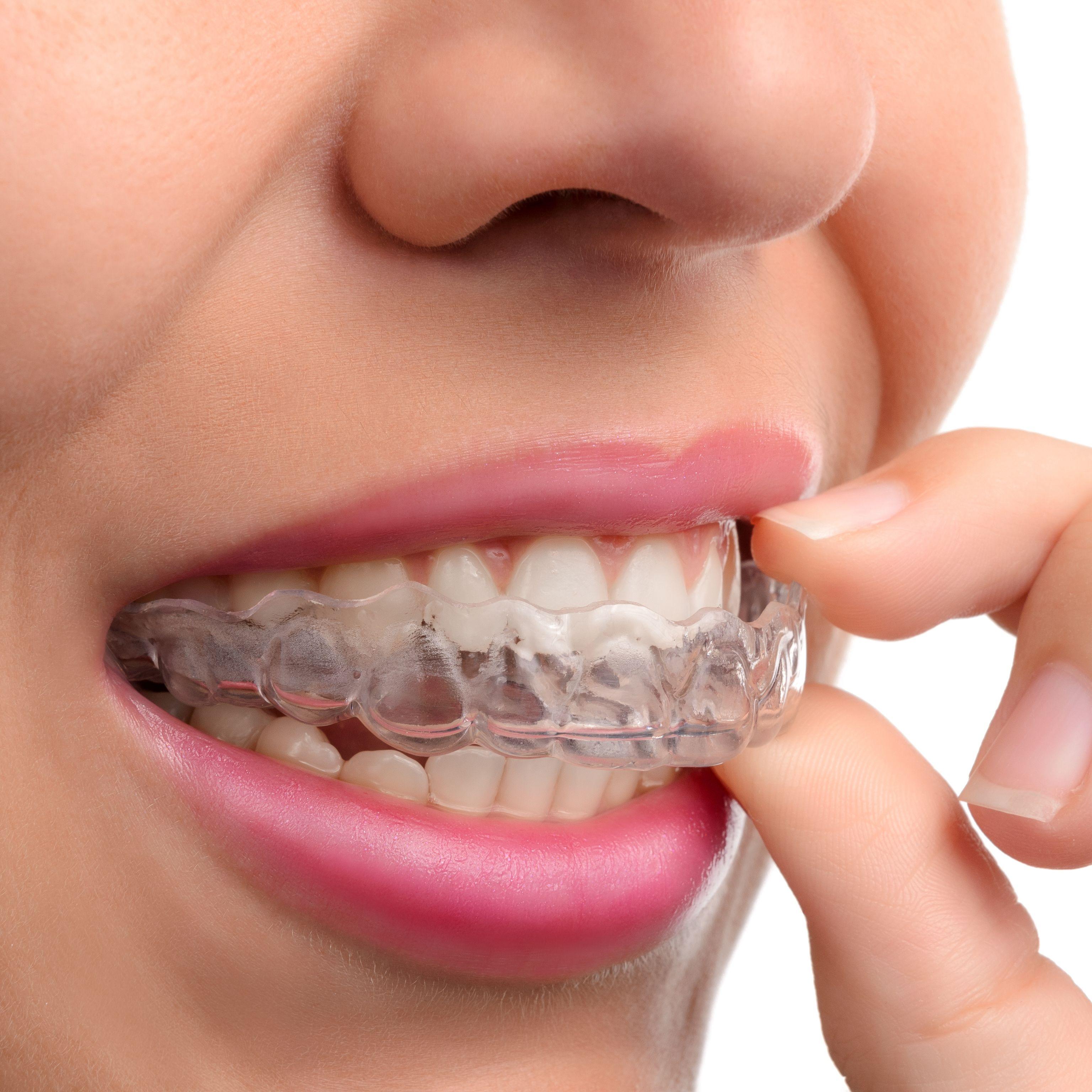
Sports bring excitement, competition, and physical challenges, but they also expose athletes to the risk of dental injuries. Whether playing football, basketball, cricket, hockey, or participating in martial arts, an unexpected collision or fall can cause chipped teeth, fractures, or damage to the gums. Wearing protective equipment is essential, and choosing Mouth Guards in Dubai can help athletes protect their teeth, reduce the risk of oral injuries, and enjoy their favourite sports with greater confidence.
Why Are Mouthguards Important for Sports?
Athletes often experience accidental contact with other players, sports equipment, or hard surfaces. Even a minor impact to the mouth can result in significant dental damage that may require professional treatment. Mouthguards are designed to create a protective barrier between the upper and lower teeth and the surrounding soft tissues.
They are particularly important for contact sports, but athletes participating in recreational activities can also benefit from wearing them. A properly fitted mouthguard can help reduce the impact of sudden blows and protect the teeth from unnecessary pressure.
Preventing Chipped and Broken Teeth
One of the primary benefits of mouthguards is their ability to protect teeth from direct impact. During sports, a collision can cause a tooth to chip, crack, become loose, or even be knocked out completely.
A mouthguard absorbs and distributes some of the force generated by an impact, reducing the pressure concentrated on individual teeth. Although it cannot eliminate the possibility of dental injuries, it can significantly improve protection during physical activities.
Protecting the Gums and Soft Tissues
Dental injuries do not always affect the teeth themselves. The lips, cheeks, tongue, and gums can also be injured when an athlete experiences a sudden blow to the face.
Mouthguards provide a cushioning layer that helps prevent teeth from cutting the inside of the lips or cheeks. This protection is especially valuable during sports involving close contact, fast movements, and frequent collisions.
How Do Mouthguards Reduce the Risk of Dental Injuries?
Mouthguards work by absorbing shock and creating a barrier that reduces the direct force of impact on the teeth and oral tissues. Their protective material helps cushion the mouth when an athlete falls, gets hit, or accidentally collides with another player.
Absorbing and Distributing Impact
When an impact occurs, the mouthguard acts as a shock-absorbing layer. Instead of allowing the force to concentrate on one tooth, it helps distribute the pressure across a broader area.
This may lower the risk of fractures, tooth displacement, and injuries to the supporting structures of the teeth. Mouthguards are particularly helpful for athletes who regularly face sudden physical contact.
Supporting the Jaw During Contact
A mouthguard can also provide a cushioning effect between the upper and lower teeth. During a collision, athletes may involuntarily clench their jaws, placing additional pressure on their teeth.
The protective barrier helps reduce direct tooth-to-tooth contact and may minimize the risk of damage caused by sudden jaw movements. However, mouthguards are not designed to prevent every jaw injury, so proper technique and additional protective equipment remain important.
Which Sports Require Mouthguards?
Although mouthguards are commonly associated with contact sports, many athletic activities can expose participants to dental trauma.
Contact and High-Impact Sports
Sports such as rugby, boxing, football, hockey, basketball, and martial arts involve a greater risk of accidental facial contact. Athletes participating in these activities should consider wearing mouthguards consistently during training and competitions.
Recreational and Individual Activities
Skateboarding, cycling, gymnastics, and other activities involving speed, balance, or potential falls can also lead to dental injuries. Even recreational athletes can experience accidents that damage healthy teeth.
Using appropriate protective equipment, including a mouthguard when necessary, can help reduce the risks associated with these activities.
What Types of Mouthguards Are Available?
Different mouthguards offer varying levels of comfort, protection, and fit.
Stock Mouthguards
Stock mouthguards are pre-formed and ready to wear. They are generally affordable and widely available, although their fit may be bulky and less comfortable for some athletes.
Boil-and-Bite Mouthguards
These mouthguards are softened in hot water and moulded around the teeth according to the manufacturer's instructions. They provide a more personalised fit than stock options and are commonly used by recreational athletes.
Custom-Fitted Mouthguards
Custom mouthguards are created using impressions or digital scans of an individual's teeth. They are designed to provide a precise fit, improved comfort, and reliable protection during sports.
Athletes who regularly participate in high-impact activities may benefit from professionally fitted mouthguards because they are easier to wear consistently and allow a more comfortable fit.
How Can Athletes Maintain Their Mouthguards?
Proper care helps maintain the hygiene, durability, and effectiveness of a mouthguard.
-
Rinse it with cool water before and after every use.
-
Clean it regularly using a toothbrush and a suitable cleaning solution.
-
Store it in a ventilated protective case.
-
Avoid exposing it to excessive heat, which may change its shape.
-
Check for cracks, tears, or signs of wear.
-
Replace it when it no longer fits properly or becomes damaged.
Athletes should also attend routine dental check-ups to ensure their teeth and gums remain healthy.
Conclusion
Mouthguards play an important role in protecting athletes from preventable dental injuries. By cushioning impacts, reducing direct contact between teeth, and protecting the soft tissues inside the mouth, they provide an additional layer of safety during sports. Choosing a comfortable, properly fitted mouthguard and wearing it consistently can help athletes protect their smiles, maintain better oral health, and participate in physical activities with greater confidence.

 English
 Arabic
 French
 Spanish
 Portuguese
 Turkish
 Dutch
 Italiano
 Russian
 Romaian
 Portuguese (Brazil)
 Greek