


What Should a Doctor Review When a Patient's Weight Changes but Glucose Control Does Not?
Imagine a patient who has been losing weight over several weeks but continues to record almost the same blood glucose readings. Clothing fits better, waist measurements are decreasing, and appetite has improved, yet diabetes test results show little change. This situation can be confusing, particularly when a patient expects weight reduction to produce an immediate improvement in blood sugar.
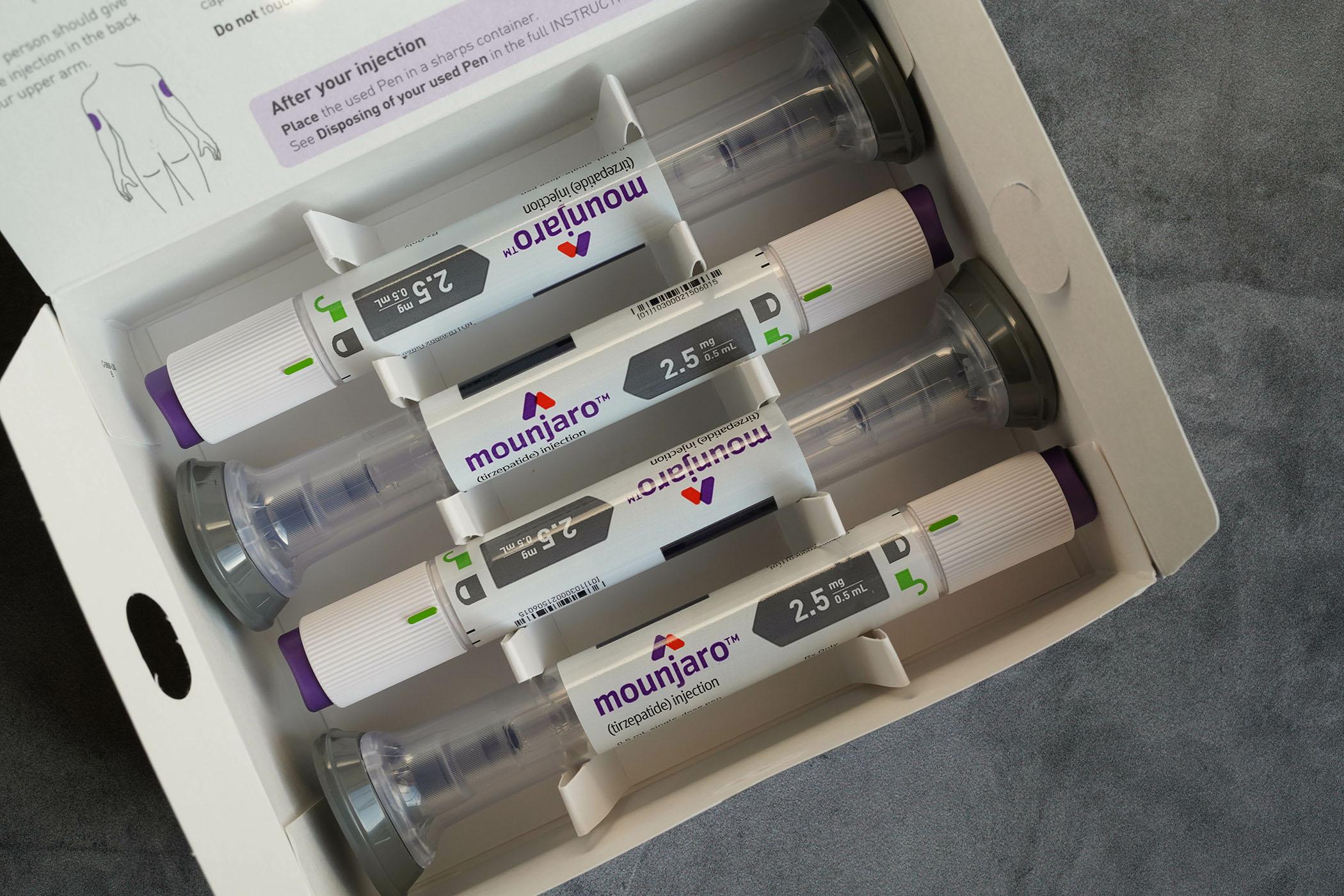
For patients receiving Mounjaro In Islamabad, this difference deserves a closer medical assessment rather than an automatic increase in medication dosage. Weight management and glucose regulation are connected, but they are not identical processes. A reduction in body weight does not guarantee that blood glucose will improve at the same rate.
Why Can Weight Loss Happen Without Better Glucose Control?
Body weight and blood glucose are influenced by several different physiological processes. Weight reduction may occur because appetite decreases and overall calorie intake falls, while glucose levels continue to be affected by insulin production, insulin sensitivity, liver glucose release, and the patient's existing diabetes condition.
For example, someone with longstanding type 2 diabetes may have reduced pancreatic beta-cell function. Even when weight decreases, the body may still struggle to produce enough insulin to maintain the desired glucose levels.
The amount and distribution of remaining body fat can also influence metabolic health. Weight reduction is encouraging, but glucose control must be evaluated independently.
Is the Doctor Comparing the Right Blood Glucose Measurements?
One important step is to establish whether the apparent lack of improvement is based on occasional glucose readings or a longer-term assessment.
A fasting glucose result represents blood sugar at a particular moment. Post-meal glucose readings can be quite different, depending on food intake, activity, medication timing, and other factors.
HbA1c provides a broader picture because it reflects average blood glucose exposure over approximately two to three months. A patient may therefore experience changes in daily glucose levels before a substantial difference becomes apparent in the next HbA1c result.
A doctor should review both fasting and post-meal readings where appropriate, rather than relying on a single measurement.
The timing and type of glucose test matter when interpreting treatment response.
Has the Patient Been Using the Prescribed Mounjaro Dose Long Enough?
Treatment duration and dosage are important considerations when reviewing glucose control. Patients sometimes expect immediate improvement, even when they have only recently started tirzepatide.
The commonly used Mounjaro dosing schedule begins with 2.5 mg once weekly for four weeks, followed by 5 mg once weekly. The initial 2.5 mg dose is intended to help patients adjust to treatment and is not considered a maintenance dose for glycaemic control under the standard prescribing information.
Further dose adjustments may be considered by the prescribing clinician according to glucose response, tolerability, and individual medical needs.
A doctor should review how long the patient has been taking the current dose before deciding whether treatment is effective. Insufficient treatment duration should not automatically be interpreted as medication failure.
Could Incorrect Injection Technique or Missed Doses Be Affecting Results?
Even an appropriate prescription may produce inconsistent results if the medication is not administered correctly. Missing weekly injections, using an unsuitable injection technique, or misunderstanding the device instructions can affect treatment consistency.
The doctor or trained healthcare professional should confirm that the patient understands how to use the prescribed pen. Injection sites, dose delivery, missed-dose instructions, and storage conditions should also be reviewed.
Mounjaro is temperature-sensitive, and improper storage can compromise medicine quality. The clinician may therefore ask about the product's source, refrigeration history, and handling between the pharmacy and the patient's home.
Consistent dosing and correct medication handling are essential when evaluating treatment effectiveness.
What Other Factors Should the Doctor Investigate?
When weight changes but glucose remains elevated, the clinician should consider factors beyond the injection itself. Several health conditions, medications, and everyday habits can influence blood glucose independently of body weight.
Important areas to review include:
-
Eating patterns: Frequent refined carbohydrates, sugary drinks, or large meals may contribute to elevated post-meal glucose.
-
Physical activity: Reduced movement and prolonged sitting can affect insulin sensitivity.
-
Other medications: Corticosteroids and certain other medicines can increase blood glucose.
-
Existing diabetes treatment: The timing, adherence, and effectiveness of other prescribed medicines should be reviewed.
-
Illness or infection: Physical stress and infections can temporarily increase glucose levels.
-
Sleep and stress: Poor sleep and ongoing psychological stress may influence metabolic regulation.
-
Diabetes progression: Reduced pancreatic insulin production may affect how well glucose responds to treatment.
Identifying these contributing factors helps the doctor understand why weight reduction has not translated into the expected glucose improvement.
Could the HbA1c Result Be Misleading?
Yes. Although HbA1c is an important diabetes monitoring test, certain medical conditions can affect its accuracy.
The test depends on the relationship between glucose and haemoglobin inside red blood cells. Conditions that alter red blood cell lifespan or haemoglobin levels can produce results that do not accurately reflect average blood glucose.
This is particularly relevant when evaluating patients with iron-deficiency anaemia, thalassaemia, kidney disease, or a history of blood transfusion. Haemoglobin variants can also interfere with certain laboratory methods.
A doctor may compare HbA1c with home glucose records or continuous glucose monitoring (CGM) data when the results appear inconsistent. Fructosamine testing may also be considered in selected circumstances.
An unexpected HbA1c result should be interpreted alongside the patient's medical history and actual glucose readings.
Does the Patient Have Significant Insulin Resistance or Advanced Diabetes?
Another important consideration is the underlying nature and duration of diabetes. Some patients have substantial insulin resistance, meaning their bodies do not respond effectively to the insulin they produce.
Others may have progressive loss of pancreatic beta-cell function. In these situations, weight reduction alone may not provide enough improvement in glucose regulation.
The doctor should review the duration of diabetes, previous HbA1c trends, existing complications, and the effectiveness of earlier treatments. Depending on the clinical picture, additional investigations may be appropriate to understand the patient's insulin production and overall metabolic condition.
The underlying diabetes pattern can be just as important as the amount of weight a patient has lost.
What Should Be Reviewed Before Changing the Mounjaro Treatment Plan?
If glucose control remains above the patient's target, the doctor should assess the complete treatment picture before making adjustments.
For patients receiving Mounjaro In Islamabad, the review may include:
Current prescription: Confirming the prescribed dose and duration of treatment.
Glucose records: Comparing fasting, post-meal, and longer-term glucose measurements.
HbA1c results: Evaluating whether the latest test reflects the patient's recent treatment period.
Other medications: Reviewing whether existing diabetes medicines are being taken correctly.
Medical conditions: Identifying infections, hormonal problems, or other health issues that could affect glucose.
Treatment tolerance: Reviewing side effects, missed doses, and difficulties with injections.
Individual targets: Determining whether the patient's glucose goals are appropriate for their age, health, and diabetes history.
The doctor may consider adjusting the treatment plan or introducing additional diabetes management measures when clinically necessary.
Medication changes should be based on glucose response and individual safety, not weight reduction alone.
When Should Patients Seek Further Medical Attention?
Persistently elevated glucose levels deserve medical review, even when body weight is improving. Patients should not wait several months if their readings remain significantly above their prescribed targets or if they develop symptoms such as excessive thirst, frequent urination, unusual fatigue, or blurred vision.
Repeated vomiting, severe abdominal pain, dehydration, or marked changes in blood glucose also require prompt assessment. Patients taking Mounjaro alongside insulin or sulfonylureas should be particularly aware of low blood sugar symptoms.
Severe confusion, unconsciousness, or difficulty breathing requires emergency medical assistance.
Early evaluation helps identify treatment problems before they become more serious.
How Can Patients Track Both Weight and Glucose Progress?
A useful monitoring routine should include more than regular weighing. Patients should maintain records of body weight, waist measurements, glucose readings, medication doses, and any side effects.
Comparing these measurements over several weeks or months can help the clinician identify patterns. For example, decreasing waist circumference alongside unchanged glucose readings may indicate that body composition is changing while diabetes management still needs attention.
For people using Mounjaro In Islamabad, regular consultations and appropriately timed investigations provide a clearer picture of whether the treatment is supporting both weight-management and metabolic health goals.
Successful treatment should be evaluated through overall health improvements, not just changes on the weighing scale.
Final Thoughts
When body weight decreases but glucose control remains unchanged, the doctor should investigate medication adherence, dose and treatment duration, daily habits, diabetes progression, other medical conditions, and the reliability of glucose measurements. Weight reduction is a positive development, but it does not automatically mean that diabetes is adequately controlled. A comprehensive medical review helps identify what needs attention and whether the treatment plan requires adjustment.
For patients considering Mounjaro In Islamabad, Dynamic Aesthetic Clinic offers personalised aesthetic and weight-management consultations through its experienced medical team, board-certified surgeons, and advanced treatment approaches. Patients can discuss their weight-management progress, medical suitability, and individual treatment goals to understand the importance of supervised care and continued health monitoring.

 English
 Arabic
 Spanish
 Portuguese
 Deutsch
 Turkish
 Dutch
 Italiano
 Russian
 Romaian
 Portuguese (Brazil)
 Greek