


Aluminum Wire Price Chart 2026: Regional Trends & Market Outlook
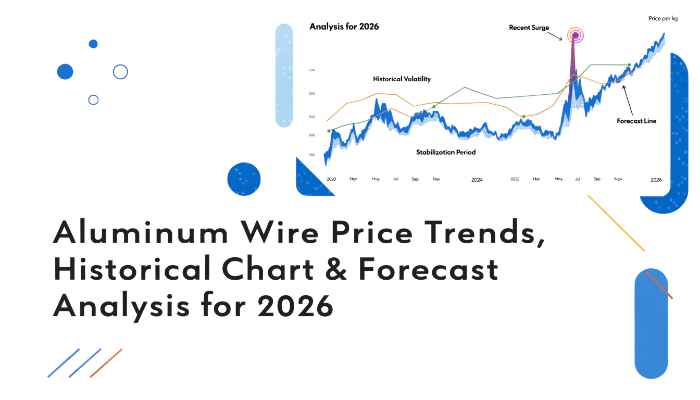
Global Aluminum Wire Prices Outlook – Q3 2026
The Aluminum Wire Price Trend during Q3 2026 reflected regional differences in production costs, raw material availability, and industrial demand. According to IMARC Group's Q3 2026 price-tracking database, aluminum wire prices ranged from USD 3,388/MT in Brazil to USD 4,693/MT in Argentina. The Aluminum Wire Price Chart 2026 provides insights into regional price variations and historical movements, helping procurement managers evaluate sourcing costs.
Demand from electricity transmission, construction, automotive manufacturing, and renewable energy infrastructure continued to influence purchasing activity. Meanwhile, primary aluminum costs, electricity expenses, and freight charges remained important factors affecting production and distribution. The differences in regional quotations highlight the importance of monitoring local supply conditions and manufacturing economics when planning procurement strategies.
Aluminum Wire Prices Q3 2026: Regional Price Snapshot
The following prices represent the reported aluminum wire quotations for Q3 2026:
- Germany: USD 4,191/MT
- China: USD 4,046/MT
- Argentina: USD 4,693/MT
- Japan: USD 4,353/MT
- Brazil: USD 3,388/MT
The regional price spread highlights differences in production expenses, raw material sourcing, and transportation costs. Argentina recorded the highest quotation, while Brazil registered the lowest, creating a difference of USD 1,305/MT. Germany and Japan remained in the middle range, while China recorded a comparatively competitive price.
Get A Sample Report Today - https://www.imarcgroup.com/aluminum-wire-pricing-report/requestsample
Aluminum Wire Prices Regional Analysis
Europe: Germany
Germany recorded aluminum wire prices at USD 4,191/MT in Q3 2026. Demand from automotive manufacturing, electrical equipment, and infrastructure projects supported consumption. However, electricity expenses, aluminum feedstock costs, and industrial production conditions continued to influence manufacturers' pricing strategies.
Asia-Pacific: China and Japan
- China: USD 4,046/MT
- Japan: USD 4,353/MT
China recorded lower prices than Japan, supported by differences in manufacturing costs, domestic production, and supply availability. Demand from electrical infrastructure, construction, and industrial manufacturing remained important. In Japan, imported raw material costs, energy expenses, and processing charges influenced supplier quotations.
South America: Argentina and Brazil
- Argentina: USD 4,693/MT
- Brazil: USD 3,388/MT
Argentina registered the highest price among the reported countries, whereas Brazil recorded the lowest. Differences in currency conditions, production expenses, logistics, and domestic supply availability contributed to this variation. Electricity distribution, construction, and infrastructure development remained important demand drivers across both markets.
Aluminum Wire Supply and Demand Overview – Q3 2026
The aluminum wire market was influenced by the availability of primary aluminum, wire rod production, and downstream industrial consumption.
Supply-side factors:
- Primary aluminum availability and smelter operating costs influenced manufacturing expenses.
- Electricity prices affected melting, casting, and wire drawing operations.
- Freight charges and international trade flows influenced regional supply costs.
Demand-side factors:
- Power transmission and distribution projects supported conductor requirements.
- Construction and renewable energy investments contributed to consumption.
- Automotive and electrical equipment manufacturing generated additional demand.
Overall, procurement activity remained closely linked to raw material costs, production economics, and infrastructure-related requirements.
Aluminum Wire Price Trend and Historical Analysis
During Q3 2026, aluminum wire prices reflected different regional cost structures and market conditions. The five reported quotations provide a reference for comparing regional pricing, identifying procurement opportunities, and monitoring changes in supplier offers.
For historical analysis, buyers should track quarterly aluminum prices alongside energy expenses, wire rod availability, freight costs, and inventory levels. These indicators help distinguish temporary price adjustments from broader changes in manufacturing and procurement economics.
Aluminum Wire Price Forecast 2026: Next 12 Months
Over the next 12 months, aluminum wire prices are expected to remain sensitive to primary aluminum benchmarks, electricity costs, and industrial demand.
Continued investment in electricity networks, renewable energy, and infrastructure could support consumption. However, increased production availability, competitive exports, and weaker construction activity may limit price increases.
Manufacturers are likely to adjust quotations according to raw material replacement costs, processing margins, and transportation expenses. Procurement managers should monitor aluminum ingot prices, wire rod availability, and regional inventory levels to manage future sourcing costs.
Key Factors Affecting Aluminum Wire Prices
Several factors influence aluminum wire pricing across international markets:
- Raw material costs: Changes in primary aluminum prices directly affect manufacturing expenses.
- Energy costs: Electricity consumption during melting and wire drawing influences production economics.
- Industrial demand: Construction, automotive, and electrical infrastructure determine consumption requirements.
- Freight expenses: Shipping costs and transportation disruptions affect delivered prices.
- Trade conditions: Import availability, export competition, and trade policies influence regional quotations.
- Currency movements: Exchange-rate fluctuations affect imported material costs and supplier pricing.
What Is Aluminum Wire and Where Is It Used?
Aluminum wire is a conductive metal product manufactured by drawing aluminum into thin, continuous strands. It is valued for its lightweight structure, electrical conductivity, corrosion resistance, and cost advantages in several applications.
Major uses include power transmission lines, electrical distribution networks, transformers, automotive wiring, industrial equipment, and renewable energy installations. Its lightweight properties make it particularly suitable for overhead electrical conductors.
Recent Aluminum Wire Industry Developments – Q3 2026
- Production capacity: Changes in aluminum wire rod manufacturing capacity influenced regional supply expectations.
- Export competition: Competitive offers from Chinese manufacturers affected international supplier pricing.
- Infrastructure demand: Electricity grid expansion and renewable energy investments supported downstream requirements.
- Supply-chain conditions: Freight expenses and international trade flows remained important considerations for procurement planning.
These developments highlight the importance of production capacity, export competitiveness, and infrastructure investment in determining future market conditions.
Frequently Asked Questions About Aluminum Wire Prices
What Was the Aluminum Wire Price Trend in Q3 2026?
Aluminum wire prices varied across the five reported countries, ranging from USD 3,388/MT in Brazil to USD 4,693/MT in Argentina. Regional production costs, raw material availability, and industrial demand influenced these differences.
Where Can I Find the Aluminum Wire Price Chart 2026?
The Aluminum Wire Price Chart 2026 is available through IMARC Group's pricing report. It helps businesses examine regional quotations, historical pricing patterns, and market developments.
What Factors Will Influence the Aluminum Wire Price Forecast 2026?
Primary aluminum prices, electricity expenses, infrastructure demand, freight charges, and international trade conditions will influence future aluminum wire prices. Changes in these factors may affect manufacturing costs and regional supply availability.
How IMARC Group Helps Businesses Track Aluminum Wire Prices
IMARC Group provides comprehensive insights into aluminum wire prices, regional variations, historical movements, and market developments. Its pricing analysis helps procurement managers evaluate supplier quotations and understand changing production costs. The Q3 2026 assessment highlights significant differences across major international markets. Over the next 12 months, monitoring raw material costs, infrastructure demand, and supply-chain conditions will remain essential for effective procurement planning.
Contact Us:
IMARC Group
134 N 4th St., Brooklyn, NY 11249, USA
Email: sales[@]imarcgroup.com
Tel No:(D) +91 120 433 0800
United States: +1-201971-6302

 English
 Arabic
 French
 Spanish
 Portuguese
 Deutsch
 Turkish
 Dutch
 Russian
 Romaian
 Portuguese (Brazil)
 Greek