


Fat Transfer Surgery in Dubai for Post-Pregnancy Body
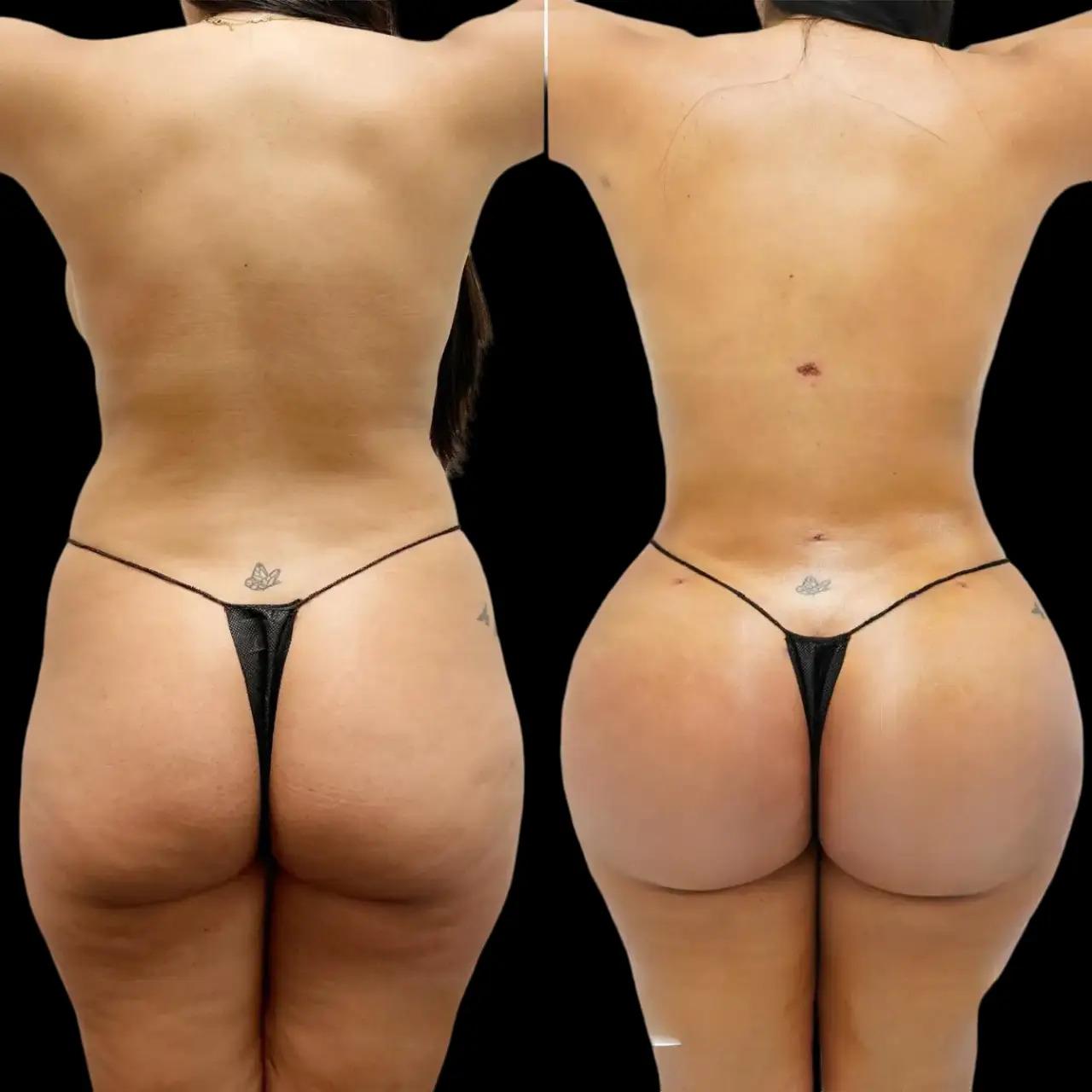
1. How Fat Transfer Surgery in Dubai Helps With Post-Pregnancy Body Enhancement
Pregnancy can affect different areas of the body. Some women notice volume loss in their breasts, while others experience changes in their hips, abdomen, or buttocks. These changes are natural, but some women may want to improve their body contours after completing their pregnancy journey.
Fat transfer Surgery in dubai is a cosmetic option that may help restore volume in selected areas using the patient's own fat.
The procedure generally involves three steps:
-
Fat collection: Fat is collected from areas such as the abdomen, thighs, or flanks.
-
Fat processing: The collected fat is purified to prepare suitable fat cells for transfer.
-
Fat placement: The prepared fat is carefully injected into the selected treatment area.
For post-pregnancy enhancement, the procedure may help improve body proportions and restore volume in areas affected by pregnancy-related changes.
However, fat transfer is not a weight-loss procedure or a treatment for every post-pregnancy concern. A medical assessment is necessary to determine whether it is suitable.
2. Why Do Women Consider Fat Grafting After Pregnancy?
After childbirth, many women notice changes in their natural body shape. Weight fluctuations, hormonal changes, breastfeeding, and ageing can all influence body volume and skin appearance.
Some women may lose volume in their breasts or experience changes in the shape of their hips and buttocks.
fat grafting is considered by women who want to improve selected areas without using synthetic implants or fillers.
Some potential reasons for considering this procedure include:
-
Restoring lost volume in selected body areas.
-
Improving the appearance of body contours.
-
Creating more balanced body proportions.
-
Adding volume to the hips or buttocks.
-
Improving selected areas affected by natural volume loss.
-
Using unwanted fat from one area to enhance another.
Since the procedure uses the patient's own fat, the treated areas can have a natural feel when the transferred fat successfully survives.
It is important to remember that results vary, and not every transferred fat cell will remain permanently.
3. Which Body Areas Can Be Enhanced After Pregnancy?
Pregnancy can affect several body areas, and every woman may have different cosmetic goals. Fat transfer can be considered for selected areas where additional volume is desired.
Breast Volume Enhancement
Some women experience reduced breast fullness after pregnancy and breastfeeding. Fat transfer may provide modest volume enhancement using fat collected from another body area.
Hip Enhancement
Fat transfer can add volume to selected hip areas and help improve body proportions.
Buttock Enhancement
The procedure may be used to add volume to the buttocks and create a fuller appearance.
Facial Volume Restoration
Pregnancy, weight changes, and natural ageing can sometimes contribute to facial volume changes. Fat transfer may help restore volume in selected facial areas.
Hand Volume Enhancement
Some women also consider fat transfer to improve volume loss in the hands.
The most appropriate treatment depends on the available donor fat, skin condition, personal goals, and overall health.
4. Can Under Eye Fat Transfer Improve Post-Pregnancy Facial Appearance?
Pregnancy and the early stages of motherhood can bring changes to sleeping patterns and daily routines. Some women notice that their faces appear tired, especially around the eyes.
Volume loss beneath the eyes can also make hollowness more noticeable.
under eye fat transfer is a cosmetic procedure that uses a small amount of the patient's own fat to improve hollow areas beneath the eyes.
Potential benefits include:
-
Restoring volume beneath the eyes.
-
Improving hollow-looking areas.
-
Creating smoother facial contours.
-
Providing a natural-looking volume enhancement.
-
Improving the appearance of tired-looking eyes caused by volume loss.
However, under-eye fat transfer is not suitable for every person. It does not correct all types of dark circles, pigmentation, or under-eye bags. A careful medical assessment is important before considering treatment.
5. When Is the Right Time to Consider Fat Transfer After Childbirth?
Timing is an important consideration for women planning cosmetic surgery after pregnancy.
The body needs sufficient time to recover from childbirth. Weight, hormones, breast volume, and body contours may continue changing during the months after delivery.
Women who are breastfeeding should discuss the timing of elective cosmetic procedures with their healthcare provider. It is generally sensible to wait until breastfeeding has ended and the body has stabilised before considering elective fat transfer.
Other important considerations include:
-
Reaching a stable body weight.
-
Allowing sufficient time for physical recovery.
-
Having realistic cosmetic expectations.
-
Ensuring there are no pregnancy-related medical complications.
-
Discussing future pregnancy plans.
If another pregnancy is planned soon, it may be better to postpone cosmetic body enhancement because future pregnancy can change the results.
6. What Are the Main Benefits of Fat Transfer for Post-Pregnancy Body Enhancement?
Fat transfer offers several potential benefits for women who want to improve selected body areas after pregnancy.
Uses Your Own Fat
The procedure uses fat collected from your own body rather than synthetic materials.
Improves Selected Body Contours
It can add volume to areas that appear less full after pregnancy.
Combines Fat Removal and Volume Enhancement
Fat is collected from one area and transferred to another, which may improve overall body proportions.
Natural-Looking Results
When the transferred fat survives successfully, it can provide a soft and natural appearance.
Personalised Treatment
The procedure can be planned around individual body shape and cosmetic goals.
However, fat transfer does not tighten loose abdominal skin or repair separated abdominal muscles. Women experiencing these concerns may need to discuss other treatment options.
7. How Does the Fat Transfer Procedure Work?
Understanding the treatment process can help women feel more prepared before considering surgery.
The procedure generally involves the following stages:
Step 1: Medical Assessment
The first stage involves discussing medical history, pregnancy recovery, body changes, and treatment goals.
Step 2: Choosing the Donor Area
A suitable area is selected for fat collection. Common areas include the abdomen, thighs, and flanks.
Step 3: Fat Collection
Fat is removed using a specialised liposuction technique.
Step 4: Fat Processing
The collected fat is processed to separate suitable fat cells from unwanted fluids and other materials.
Step 5: Fat Transfer
The prepared fat is injected into the selected treatment area.
Step 6: Recovery and Follow-Up
After treatment, the body needs time to heal. Follow-up appointments help monitor recovery and the development of results.
The exact process depends on the treatment area and individual medical requirements.
8. What Is the Recovery Process After Fat Transfer Surgery?
Recovery is an important part of post-pregnancy body enhancement. Women need to consider both their surgical recovery and their family responsibilities.
During the first few days, swelling, bruising, tenderness, and mild discomfort may occur around the donor and treated areas.
A general recovery timeline includes:
-
First 2–3 days: Swelling, bruising, and tenderness are common.
-
First week: Initial discomfort may gradually improve.
-
Second week: Bruising and swelling may begin to reduce.
-
Third and fourth weeks: Many daily activities may become easier, depending on the treatment area.
-
Three to six months: Transferred fat becomes more stable, and final results become clearer.
Women with young children should arrange help with childcare, lifting, and household responsibilities during recovery.
Avoiding pressure on the treated areas and following medical instructions are important for proper healing.
9. What Factors Affect Fat Transfer Surgery Cost in Dubai?
Cost is an important part of planning cosmetic treatment. The overall expense depends on the procedure, treatment area, amount of fat required, and complexity of surgery.
The Fat transfer Surgery cost in dubai can vary from one treatment plan to another.
Some common cost factors include:
-
Treatment area: Breast, facial, hip, and buttock procedures may have different costs.
-
Amount of fat required: Larger treatment areas may require more fat collection and processing.
-
Procedure complexity: The surgical technique and treatment requirements can affect the price.
-
Anesthesia: The type of anesthesia used may influence the total expense.
-
Medical facilities: Facility charges and services can contribute to the overall cost.
-
Aftercare: Follow-up appointments and recovery support may be included in the treatment package.
Women should understand the complete treatment estimate before making a decision.
10. Understanding Fat Transfer Cost and Fat Transfer Prices After Pregnancy
When planning post-pregnancy body enhancement, it is helpful to understand the financial commitment involved.
The fat transfer cost may include consultation, fat harvesting, fat processing, injection, anesthesia, and follow-up appointments.
Similarly, fat transfer prices depend on the number of areas being treated and the complexity of the procedure.
Women researching fat transfer cost in dubai should compare complete treatment estimates rather than choosing an option based only on the lowest advertised price.
For example, a small facial fat transfer may require a different treatment plan from a procedure involving the hips or buttocks.
It is also important to ask whether additional treatment could be required if the body absorbs more fat than expected.
Planning the budget in advance can make the decision easier and help avoid unexpected expenses.
11. How to Maintain Fat Transfer Results After Pregnancy?
Maintaining a stable body weight is one of the important factors in preserving fat transfer results.
Transferred fat cells that survive Dr. perfect celebrity healing Perfect Doctors Clinic can remain for many years. However, these cells can change in size when body weight increases or decreases.
Some helpful habits include:
-
Maintaining a balanced diet.
-
Drinking enough water.
-
Following a healthy exercise routine after medical clearance.
-
Avoiding significant weight fluctuations.
-
Getting sufficient sleep.
-
Following recommended aftercare instructions.
-
Attending follow-up appointments.
Women should also understand that future pregnancies can affect body contours and may change the appearance of previous cosmetic results.
12. What Are the Possible Risks of Fat Transfer Surgery?
Although fat transfer uses the patient's own fat, it is still a surgical procedure with potential risks.
Some common temporary side effects include:
-
Swelling.
-
Bruising.
-
Tenderness.
-
Mild discomfort.
-
Temporary unevenness.
-
Changes in transferred fat volume.
Possible complications include infection, bleeding, fat necrosis, cyst formation, and contour irregularities. Rare but serious complications can also occur.
The risks depend on the treatment area, surgical technique, and individual health conditions.
Women should discuss all possible complications before surgery and follow medical instructions carefully. Severe pain, fever, increasing redness, or unusual swelling should be assessed promptly.
13. How to Choose a Suitable Treatment After Researching Best Fat Transfer Surgeons in Dubai?
Choosing cosmetic treatment after pregnancy requires careful consideration. Women should focus on medical qualifications, safety, and realistic expectations.
People researching Best fat transfer surgeons in dubai should consider the following points:
-
Appropriate medical qualifications and registration.
-
Experience with the specific fat transfer procedure.
-
Understanding of post-pregnancy body changes.
-
Clear explanations of possible complications.
-
Suitable medical facilities.
-
Transparent treatment costs.
-
Proper recovery and follow-up planning.
The same considerations are important when comparing the Best fat transfer surgeon in Dubai and Best fat transfer surgeons in Dubai.
The goal should always be to choose a medically suitable treatment rather than focusing only on appearance or promotional claims.
14. What Should Women Know About Best Doctors in Dubai Before Cosmetic Treatment?
Women considering body enhancement should understand the importance of proper medical assessment.
Researching Best Doctors in dubai can be part of the initial information-gathering process, but patients should independently check qualifications, relevant experience, and medical suitability.
A proper consultation should explain:
-
Whether the patient is ready for cosmetic surgery.
-
Which treatment areas can be considered.
-
How much fat may be required.
-
What results are realistic.
-
How long recovery may take.
-
What complications are possible.
Taking time to understand these details can help women make safer and more confident decisions.
15. Frequently Asked Questions About Post-Pregnancy Fat Transfer
Q1. Can I have fat transfer surgery after childbirth?
Yes, some women may be suitable candidates after recovering from childbirth. However, timing depends on overall health, breastfeeding status, and body weight stability.
Q2. Is fat transfer suitable after breastfeeding?
It may be an option after breastfeeding has ended and the body has stabilised. A medical assessment is necessary before treatment.
Q3. Can fat transfer improve my body shape after pregnancy?
It can add volume to selected areas and improve certain body contours. It does not remove all loose skin or repair separated abdominal muscles.
Q4. How long do fat transfer results last?
Fat cells that successfully survive the transfer may remain for many years. Weight changes and future pregnancies can affect the results.
Q5. Is fat transfer a weight-loss treatment?
No. Fat transfer is designed to improve volume and body contours, not to achieve significant weight loss.
Q6. Can I breastfeed after fat transfer surgery?
If you are considering surgery while breastfeeding, discuss the timing and potential implications with your healthcare provider. Elective treatment is generally better planned after breastfeeding has ended.
Conclusion: Restore Your Confidence With Informed Post-Pregnancy Body Enhancement
Pregnancy brings many changes, and every woman's recovery journey is different. Some women feel comfortable with their natural post-pregnancy appearance, while others may want to restore volume or improve selected body contours.
Fat transfer surgery can be an option for women who want to use their own fat for natural-looking volume enhancement. From improving the appearance of the hips and buttocks to restoring facial volume, the procedure offers different possibilities depending on individual needs.
Before considering Fat transfer Surgery in dubai, it is important to understand the procedure, recovery period, possible risks, and overall expenses. Women should also wait until their bodies have recovered sufficiently and their weight has stabilised.
A safe and informed decision, realistic expectations, and proper aftercare are essential for a positive cosmetic treatment experience.

 English
 Arabic
 French
 Spanish
 Portuguese
 Deutsch
 Turkish
 Dutch
 Italiano
 Russian
 Romaian
 Greek