


Which Control Features Should Buyers Discuss With qianxunele?
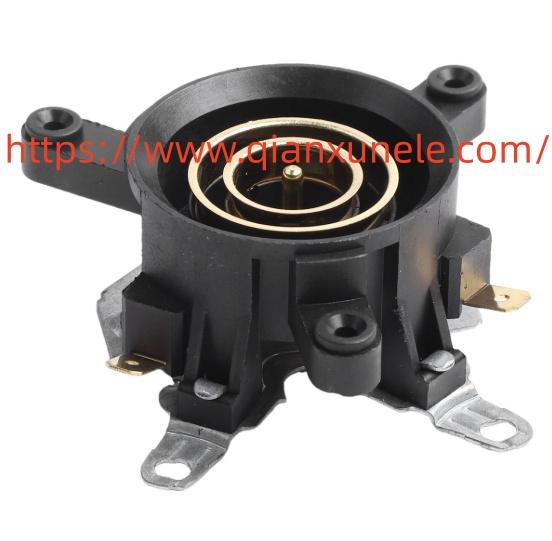
Smart Kettle Thermostat Coupler selection plays an important role in the development of electric water-heating appliances with automatic control functions. For appliance manufacturers, distributors, and purchasing teams, choosing a suitable component requires attention to operating logic, electrical requirements, connection design, and user expectations. Instead of focusing only on external appearance, buyers should consider how the component works within the complete appliance and whether its configuration supports the intended product design.
Identify the Functions Your Customers Expect
Before contacting a supplier, manufacturers should identify the functions they want to include in their appliance models. Different customer groups may have different expectations regarding water heating, temperature adjustment, automatic operation, and user convenience.
For example, some projects focus on straightforward heating, while others may involve additional temperature settings or more flexible control options. These differences influence the component configuration that purchasing teams need to consider.
It is helpful to prepare a product requirement document before requesting quotations. This document can describe the intended application, expected operating functions, product capacity, and target market. A clear explanation gives the supplier a better understanding of the project and makes technical discussions more productive.
Examine the Control Method
The control method determines how an appliance responds during operation. Buyers should understand which functions are managed automatically and which settings require user input.
For products with intelligent control features, it is useful to ask how the system responds to different operating conditions. Questions may include how heating begins, how the selected temperature is maintained, and how the appliance responds when the required condition has been reached.
Manufacturers should also consider whether the control arrangement fits the intended user experience. A household appliance designed for simple operation may have different requirements from a model intended to provide several heating options.
Discussing these details during product development helps buyers identify an appropriate configuration before finalizing the overall structure.
Confirm Electrical Compatibility
The selected component must work with the heating system and electrical arrangement. Buyers should provide rated voltage, current, frequency, and relevant heating specifications when discussing a potential order.
These values should be reviewed together rather than separately. The electrical design, heating element, connection terminals, and control assembly all need to be considered as parts of the same appliance system.
It is also important to confirm the intended installation position. Different base structures may require different terminal arrangements or mounting dimensions. Providing drawings and photographs can help the supplier understand the available space and identify potential compatibility issues.
For manufacturers developing several product models, maintaining separate technical records for each version can make component selection and production management easier.
Consider Temperature Selection and User Experience
Temperature selection can influence how customers use an electric water-heating appliance. Some consumers may want water for everyday drinking, while others may prefer different heating settings for tea, coffee, or other beverages.
Buyers should therefore clarify the intended temperature functions before choosing a control configuration. They can discuss the available settings, temperature response, adjustment method, and operating instructions with the supplier.
The user interface also deserves attention. Indicator lights, buttons, switches, and display arrangements may affect how customers understand the appliance during operation.
Manufacturers should evaluate these details as part of the complete product design. A component that supports the intended control arrangement can help the development team coordinate the electrical system and user interface more efficiently.
Review Protection and Abnormal Operation Responses
Automatic protection functions are important considerations during appliance development. Buyers should ask how the product responds to conditions such as insufficient water, excessive heating, or unexpected operating changes.
The control system and protective components should have clearly defined responsibilities. Manufacturers need to understand the operating conditions, protection settings, and reset arrangements associated with the selected configuration.
It is also useful to discuss how these functions will be evaluated during product testing. A planned testing procedure can help the development team examine switching behavior and confirm whether the component performs according to agreed technical requirements.
Rather than relying on general descriptions, buyers should request specific product information and clarify technical questions before approving a model.
Evaluate Samples During Product Development
Sample evaluation allows manufacturers to examine how a component performs within an actual appliance design. This stage can reveal installation issues that may not be obvious from drawings or specification sheets.
A practical evaluation can include checking terminal connections, mounting positions, operating response, and compatibility with the heating assembly. Buyers can also record any differences between the sample and the approved technical documents.
When developing several product versions, it may be useful to compare samples under consistent test conditions. This helps engineering and purchasing teams discuss the results using the same evaluation criteria.
Feedback should be shared with the supplier before mass production. If adjustments are necessary, both parties can review the requirements and confirm the revised configuration.
Plan Production and Supplier Cooperation
After confirming the technical requirements, buyers should discuss production arrangements and purchasing conditions. Important subjects include minimum order quantities, sample availability, packaging specifications, production schedules, and delivery arrangements.
For importers and distributors, clear model identification and organized packaging can support inventory management. For appliance manufacturers, coordinated delivery schedules can help align component supply with assembly plans.As an electric appliance component manufacturer, qianxunele can communicate with buyers about available configurations and project requirements. Providing product drawings, electrical parameters, expected functions, and estimated purchasing quantities can help clarify the technical discussion. Buyers interested in automatic control components and related appliance parts can visit https://www.qianxunele.com/ to review the company information and contact the team about their product development plans.

 English
 Arabic
 French
 Spanish
 Portuguese
 Deutsch
 Turkish
 Dutch
 Italiano
 Romaian
 Portuguese (Brazil)
 Greek