


How Tool Steel Selection Influences the Performance of Industrial Dies
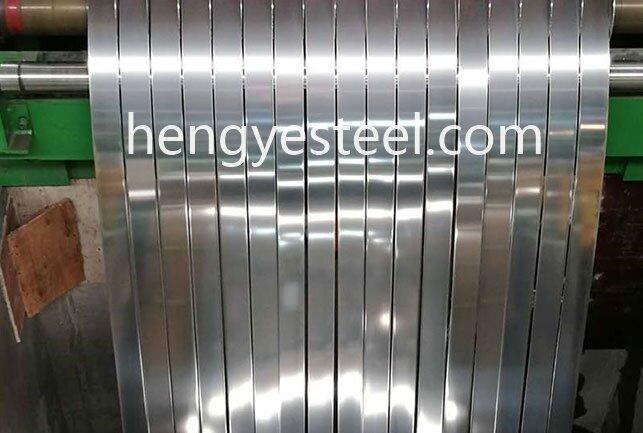
In metalworking, the quality of a finished component often depends on the condition and reliability of the tooling used to produce it. Dies are expected to maintain their working shape through repeated contact with metal sheets, cutting operations, and forming pressure. Selecting Cold Work Die Steel therefore involves more than comparing material descriptions. Manufacturers need to understand how steel composition, heat treatment, machining behavior, and working conditions influence the performance of tools throughout their service life.
Tool steel is developed for applications where ordinary structural materials may not provide the required combination of hardness, strength, and resistance to wear. Its composition may include carbon and alloying elements selected to influence hardenability, toughness, and resistance to deformation. Different formulations are designed for different tooling environments, so the material used for a cutting die may not be the best choice for a forming tool or a component exposed to repeated impact. Understanding the actual production task is the first step toward making a suitable selection.
The purchasing process should begin with an assessment of the die's working conditions. Buyers need to consider the material being processed, the type of operation, the expected contact conditions, and the consequences of tool failure. Blanking and punching tools experience different stresses from bending or forming dies. A tool used for abrasive materials may require particular attention to wear behavior, while an application involving impact may place greater importance on toughness. Discussing these conditions with a knowledgeable supplier helps narrow the material choices.
Material consistency is another important purchasing consideration. Variations in composition, internal structure, or processing history can influence machining and heat treatment results. Buyers should ask about material traceability, inspection procedures, manufacturing documentation, and the availability of relevant quality records. For tooling projects with demanding production requirements, sample evaluation and consultation with the heat treatment provider can help confirm whether a selected grade is suitable for the intended process.
Manufacturing technology plays a central role in turning tool steel into a working die. Initial cutting and machining establish the basic geometry, while grinding and finishing operations refine critical surfaces and edges. Heat treatment changes the material's internal structure and helps develop the properties required for service. The treatment process needs to be matched to the steel grade and the tool's design. Poor coordination between machining and heat treatment can lead to dimensional changes, surface problems, or unexpected performance during production.
Tool design also affects how the material behaves. Sharp cutting edges, narrow sections, complex cavities, and uneven transitions can create areas of concentrated stress. Designers and manufacturing engineers should consider these features when selecting steel and planning machining operations. Suitable surface preparation and finishing can support smooth interaction between the die and the material being processed. In some applications, additional surface treatments may be considered to address friction or wear, depending on the tooling design and production environment.
The practical experience of using a die becomes clear during repeated manufacturing cycles. Operators may notice changes in cutting quality, forming accuracy, surface condition, or the frequency of maintenance. A tool that is difficult to inspect or maintain can interrupt production even when its original material selection was appropriate. Regular cleaning, proper lubrication where required, careful storage, and scheduled inspection can help identify developing problems before they affect finished components. Maintenance practices should reflect the actual operating environment rather than follow a generic routine.
Appearance and surface quality are also relevant to die manufacturing, although they serve a different purpose from decorative finishes. Smooth working surfaces can help control friction and reduce unwanted marks on processed components. Accurate edges and carefully finished cavities contribute to the consistency of the products made by the tool. For manufacturers producing visible metal parts, the condition of the die surface may influence the final appearance of each component. Surface finishing should therefore be treated as part of the functional design process, not merely as a final cosmetic operation.
Designers also need to consider the relationship between the die and the wider production system. A tool may need to fit existing presses, automated feeding equipment, inspection routines, and maintenance procedures. Material selection should support this overall arrangement. Cooperation between the tool designer, steel supplier, machining workshop, and heat treatment provider can help identify potential issues before the die enters production. This collaborative approach is particularly valuable when developing new tooling or adapting an existing design to a different metalworking task.
For manufacturers researching steel materials, supplier knowledge and production capabilities are important alongside product availability. Dongyang Hengye Steel Strip Co., Ltd. operates in the steel strip and steel material sector. Buyers considering materials for tooling-related projects can contact the company to clarify its available product range and whether particular requirements can be supported. Further company and product information is available at https://www.hengyesteel.com/.

 English
 Arabic
 French
 Spanish
 Portuguese
 Deutsch
 Turkish
 Dutch
 Italiano
 Romaian
 Portuguese (Brazil)
 Greek