


How Pulse Duration and Density Shape Fractional CO2 Laser Treatment in Dubai
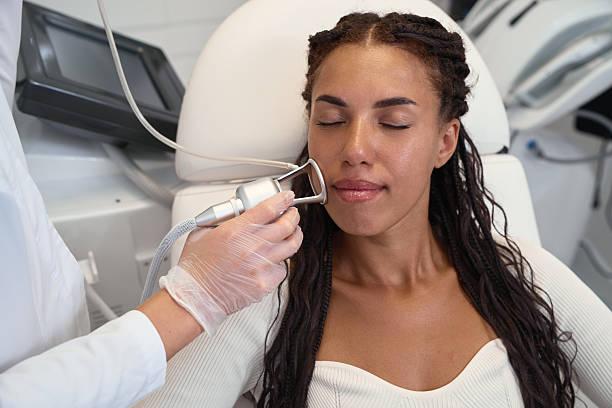
Laser resurfacing is not controlled by energy alone. The way each pulse is delivered and how closely microscopic treatment zones are distributed can influence the depth, coverage, and recovery associated with a procedure. These factors are important when planning Fractional CO2 Laser Treatment in Dubai, particularly when balancing textural improvement with skin safety.
Pulse duration and treatment density are separate parameters, but they work together with energy, spot characteristics, coverage, and the number of passes. Understanding their roles helps explain why two patients receiving the same type of laser may have different treatment plans.
Understanding Pulse Duration in Fractional CO2 Resurfacing
Pulse duration refers to the length of time laser energy is delivered during an individual pulse. It influences how energy interacts with tissue and the thermal effect produced around each microscopic treatment zone.
The CO2 laser operates at approximately 10,600 nm, a wavelength strongly absorbed by water in skin tissue. This interaction allows the laser to vaporise targeted tissue while producing a surrounding zone of thermal change.
How Pulse Duration Influences Tissue Interaction
The relationship between pulse duration and tissue response depends on the device's pulse structure, energy delivery, and other settings.
In general, the timing of energy delivery influences how heat is distributed around the treated area. A clinician must consider the intended ablation effect alongside the potential for unwanted thermal injury.
Pulse duration should not be interpreted in isolation. The same pulse setting may produce different outcomes when used with different energy levels, spot characteristics, or treatment densities.
What Treatment Density Means
Density describes how closely the microscopic treatment zones are placed across the selected skin area. It affects the proportion of the surface exposed to laser treatment.
A lower-density pattern leaves more untreated skin between treatment columns. A higher-density pattern creates a closer distribution of treatment zones.
These untreated areas are important because they preserve surrounding tissue that contributes to the healing response.
Low-Density and High-Density Treatment Patterns
| Parameter | Lower density | Higher density |
|---|---|---|
| Distribution | Treatment zones are more widely spaced | Treatment zones are closer together |
| Untreated skin | More surrounding skin remains untreated | Less untreated space remains |
| Overall coverage | Smaller proportion of the surface is treated | Greater proportion of the surface is treated |
| Recovery considerations | May involve a different recovery burden | May increase inflammation and recovery demands |
A higher density does not automatically mean a better result. The appropriate setting depends on the concern being treated and the patient's individual risk factors.
How Fractional CO2 Laser Treatment in Dubai Balances Energy and Coverage
Energy, pulse duration, and density influence different aspects of the treatment. The clinician must consider them together rather than choosing each setting independently.
Energy and Ablation Depth
Energy influences the amount of tissue affected by each microscopic treatment zone. The effect depends on the device and the selected pulse characteristics.
Increasing energy may produce a more substantial tissue effect, but it can also increase discomfort, inflammation, and the risk of complications.
Density and Surface Coverage
Density determines how much of the selected area is treated. Greater coverage may be considered for certain textural concerns, but it can also increase the overall treatment burden.
Number of Passes
A pass refers to a treatment sweep across an area. Additional passes increase cumulative exposure and should only be used when clinically appropriate.
The total effect depends on the interaction between the settings, the treatment pattern, and the overlap of treated areas.
Matching Laser Settings to Different Skin Concerns
Different skin concerns may require different treatment strategies.
Uneven Skin Texture
For superficial irregularities, a clinician may consider a treatment plan that focuses on appropriate coverage and controlled tissue effects.
Atrophic Acne Scars
Acne scars vary in depth and structure. Some shallow scars may respond to resurfacing, while deep boxcar scars or tethered rolling scars may require additional procedures.
Fine Lines
Selected fine lines may improve with resurfacing, but dynamic wrinkles caused by muscle movement are not corrected by laser settings alone.
Surgical and Traumatic Scars
Scar maturity, depth, location, and tissue attachment influence treatment selection. A clinician should determine whether fractional resurfacing is appropriate or whether another scar treatment is needed.
Why Skin Type Influences Parameter Selection
Skin tone and pigmentation history are important considerations before ablative laser treatment. Patients prone to post-inflammatory hyperpigmentation may need additional caution.
The clinician should assess:
-
Fitzpatrick skin type
-
Previous pigmentation after inflammation or procedures
-
Melasma or other pigmentary conditions
-
Active acne or skin irritation
-
Previous laser treatments
-
Healing history and medical background
Conservative settings may be considered for some patients, but no parameter combination eliminates the possibility of pigmentation changes or other complications.
What Patients Should Expect After Treatment
The skin may appear red or swollen and can develop pinpoint crusting, dryness, and peeling. These effects vary with treatment intensity and individual healing.
Patients should follow the prescribed aftercare routine, avoid picking crusts, and protect the skin from excessive UV exposure.
Retinoids, exfoliating acids, and other potentially irritating products should only be restarted when the treating clinician confirms that the skin has recovered sufficiently.
Why Device Calibration and Clinical Experience Matter
Laser devices have different technical capabilities, and settings cannot always be transferred directly between systems. The clinician must understand the specific device, its available pulse modes, and the relationship between its parameters.
A treatment plan should also consider the patient's anatomy, skin condition, and intended outcome. Selecting a setting simply because it is described as stronger or more advanced is not a reliable way to judge suitability.
Clinic Note
Pulse duration and density influence how fractional CO2 energy is delivered, but neither should be selected in isolation. Appropriate treatment planning considers energy, coverage, skin type, scar structure, and recovery risk together. More intensive settings are not automatically better.
Frequently Asked Questions
What does pulse duration mean in fractional CO2 treatment?
Pulse duration describes how long laser energy is delivered during a pulse. It influences tissue interaction and the surrounding thermal effect.
Does higher density produce better results?
Not necessarily. Higher density treats a greater proportion of the skin but may also increase inflammation and recovery requirements.
Can pulse duration change treatment depth?
Pulse characteristics influence tissue interaction, but treatment depth also depends on energy, device design, spot characteristics, and other parameters.
Are the same settings suitable for every skin type?
No. Skin tone, pigmentation history, treatment area, and the condition being treated all influence parameter selection.
Can patients choose their preferred laser settings?
Patients can discuss their goals and concerns, but a qualified clinician should select settings based on clinical assessment and device-specific safety considerations.
Treatment Planning at Tajmeels Clinic
Laser parameter selection is an important part of resurfacing because it influences both the intended tissue effect and the recovery burden. Patients should understand why a particular treatment approach is recommended rather than focusing only on device strength or advertised settings.
At Tajmeels Clinic, patients considering Fractional CO2 Laser Treatment in Dubai can discuss their skin concerns, treatment goals, device considerations, and recovery expectations during an individual clinical assessment.

 English
 Arabic
 French
 Spanish
 Portuguese
 Deutsch
 Turkish
 Dutch
 Italiano
 Russian
 Romaian
 Greek