


How Can Custom Metal Part Production Work with hardwareodm?
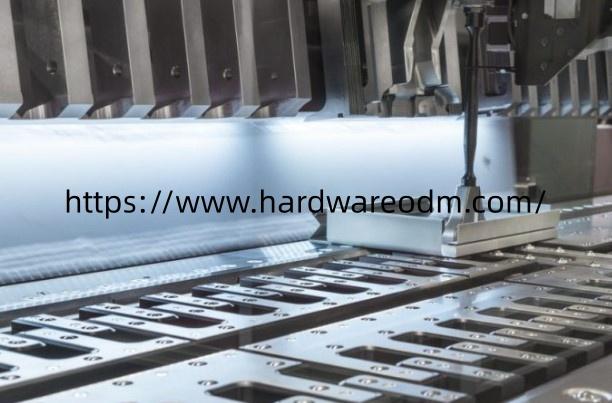
Stamping Machining projects require careful planning before buyers commit to a production order. A metal component may appear simple in a drawing, but its final shape, dimensions, surface condition, and assembly function depend on several connected manufacturing decisions. For importers, product developers, wholesalers, and OEM purchasing teams, choosing a suitable factory means evaluating design feasibility, material behavior, tooling arrangements, and production coordination.
Review the Product Drawing Before Requesting a Quote
A technical drawing provides the foundation for communication between buyers and manufacturers. Before requesting a quotation, purchasing teams should prepare clear drawings that show overall dimensions, hole positions, bending angles, material thickness, and important tolerance requirements.
It is also useful to identify which dimensions directly affect product assembly. Not every measurement needs the same tolerance level. For example, a mounting hole may require closer dimensional control than an exterior edge that does not connect with another component.
When drawings are incomplete, buyers can provide physical samples, photographs, or three-dimensional design files. These references help engineers understand the intended structure and identify areas that may require clarification.
A detailed design review can also reveal opportunities to adjust part geometry before tooling begins. Discussing these changes early may reduce unnecessary revisions during sample development.
Select Materials According to the Application
Material selection affects product strength, weight, formability, surface appearance, and processing requirements. Common options for custom metal components include stainless steel, carbon steel, aluminum, brass, and other metal alloys.
Each material has different characteristics. Stainless steel may be selected for applications requiring corrosion resistance, while aluminum can be considered when weight is an important design factor. Carbon steel is used in many structural and hardware applications, depending on the required properties and surface treatment.
Buyers should communicate the intended working environment, expected load, contact conditions, and finishing requirements. These details help manufacturers evaluate whether the proposed material is appropriate for the component.
Material thickness also deserves attention. Changes in thickness may influence bending behavior, tooling dimensions, forming pressure, and final product measurements. Confirming the material specification before production helps avoid misunderstandings between purchasing and manufacturing teams.
Understand the Mold Development Process
Tooling has a direct relationship with component shape, production consistency, and project cost. Buyers should ask how the mold will be designed, manufactured, tested, and adjusted before formal production begins.
The required mold structure depends on the part geometry and expected order quantity. Simple components may use relatively straightforward tooling, while products with multiple bends, holes, or formed sections may require more detailed mold arrangements.
Sample approval is an important stage. Buyers should review the initial parts against the agreed drawings and confirm critical dimensions, appearance, and assembly compatibility. If adjustments are necessary, the manufacturer should clarify the proposed changes and their possible effect on the production schedule.
It is also worth discussing mold ownership, maintenance responsibilities, storage arrangements, and future modification costs before confirming an order.
Evaluate Production Methods and Secondary Processing
A finished metal component may involve several operations rather than a single forming stage. Depending on its design, the manufacturing route may include cutting, punching, bending, forming, drilling, trimming, or surface treatment.
Some products also require additional operations such as pipe processing, welding, polishing, or assembly. Buyers should understand which processes can be completed within the factory and whether any external coordination is required.
The production sequence matters because each operation can influence the next stage. For example, a bending adjustment may affect hole alignment, while surface finishing may change the final appearance or dimensions of certain areas.
At hardwareodm, buyers can discuss different metal forming requirements, mold development, and related processing arrangements according to their product drawings and application needs. Sharing the complete component structure helps the technical team assess the required production route.
Check Dimensional Inspection and Sample Approval
Inspection requirements should be agreed upon before mass production. Buyers should identify the critical dimensions, appearance standards, surface conditions, and assembly points that need attention.
Depending on the component, inspection may involve measuring instruments such as calipers, micrometers, gauges, or other suitable tools. The method should match the measurement requirements rather than relying on visual checks alone.
It is also useful to discuss inspection frequency and record keeping. For recurring orders, documented inspection results can help both parties compare production batches and identify changes that may need attention.
Sample approval should cover more than whether a part looks correct. Buyers should check whether it fits the intended assembly, whether holes and bends align with related components, and whether the surface condition meets the agreed specification.
Compare the Complete Purchasing Arrangement
A quotation should be reviewed as part of the entire project rather than as an isolated unit price. Buyers should consider tooling expenses, material costs, processing steps, order quantities, packaging, and delivery arrangements.
For long-term purchasing plans, it is also useful to discuss repeat-order procedures, drawing revision management, spare tooling parts, and possible changes in annual demand. Clear communication about these matters can help manufacturers organize production and help buyers manage their procurement schedules.
Before confirming an order, prepare a written specification covering materials, dimensions, finish, sample approval, inspection requirements, and delivery expectations. This gives both parties a practical reference throughout the project.For businesses developing custom hardware, brackets, fittings, structural parts, and other metal components, supplier cooperation should begin with a clear understanding of the product itself. Buyers can review the manufacturing services and available product categories from hardwareodm at https://www.hardwareodm.com/product/ and discuss their drawings, sample requirements, and production plans with the factory.

 English
 Arabic
 French
 Spanish
 Portuguese
 Deutsch
 Turkish
 Dutch
 Italiano
 Russian
 Romaian
 Portuguese (Brazil)