


Does Dental Crown Treatment Improve Chewing Ability?
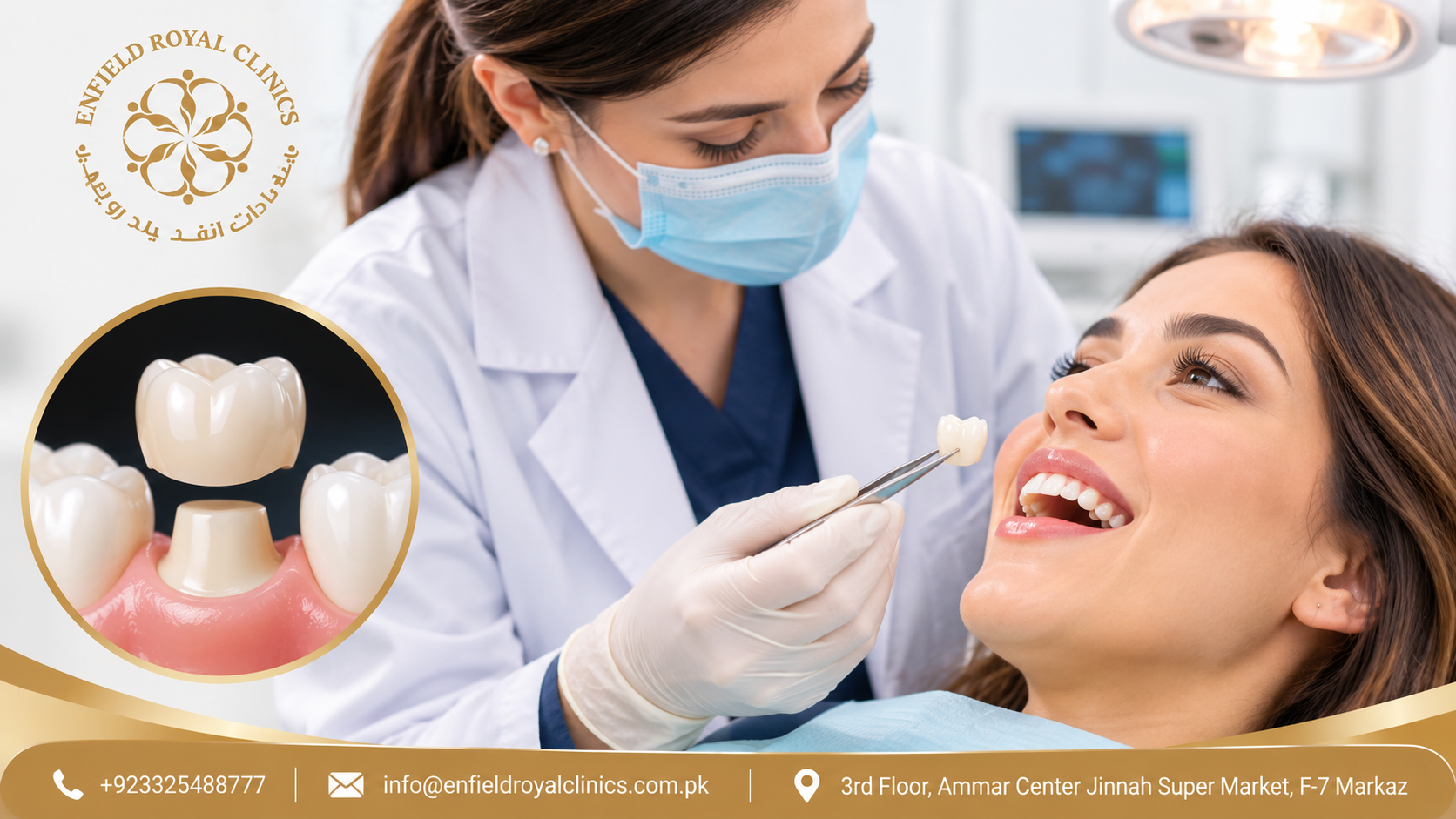
Chewing is an essential part of everyday life, but damaged or weakened teeth can make eating uncomfortable and difficult. A cracked tooth, large cavity, or worn-down surface may cause pain when biting food. Some patients also avoid certain meals because they are worried that a weak tooth might break further. Dental crown treatment can help address these problems by restoring the shape, strength, and function of an affected tooth.
Dental Crown Treatment in Islamabad is a restorative option for patients who want to repair damaged teeth and improve their ability to chew comfortably. A dental crown is a custom-made cap placed over a prepared tooth. It covers the visible portion, supports the remaining structure, and restores the biting surface. When properly designed and fitted, a crown can help the tooth handle normal chewing pressure and function more effectively.
What Is Dental Crown Treatment and How Does It Work?
Dental crown treatment involves placing a specially designed covering over a damaged or weakened tooth. The crown restores its original shape, size, and appearance while providing additional support to the remaining natural structure.
A dentist may recommend a crown when a tooth has extensive decay, a large filling, a crack, or significant wear. It may also be recommended after root canal treatment if a substantial amount of tooth structure has been lost.
Unlike a regular filling, which repairs a limited area, a crown covers most or all of the visible part of the tooth above the gumline. This coverage helps protect vulnerable areas and supports the tooth during everyday biting and chewing.
Crowns are available in different materials, including porcelain, zirconia, metal, and porcelain-fused-to-metal. The most suitable option depends on the tooth's location, the amount of chewing pressure it receives, and the patient's dental needs.
How Can a Dental Crown Improve Chewing Ability?
A damaged tooth can interfere with the way upper and lower teeth meet when biting. If its surface is broken, worn, or uneven, it may not distribute chewing pressure properly. This can make eating uncomfortable and sometimes place additional stress on nearby teeth.
A dental crown helps restore the missing or damaged surface, allowing the tooth to participate more effectively in chewing. Its shape is designed according to the patient's bite and the surrounding teeth.
Some important ways a crown may improve chewing include:
-
Restoring the biting surface: A custom crown rebuilds the damaged areas needed to bite and break down food.
-
Supporting weak tooth structure: The crown covers vulnerable portions and helps the remaining tooth withstand normal chewing forces.
-
Improving bite alignment: A properly fitted restoration helps the treated tooth meet its opposing tooth more evenly.
-
Reducing discomfort: When chewing discomfort is caused by a damaged tooth, restoring its structure may make eating more comfortable.
-
Protecting against further damage: A crown can reduce the risk of additional fractures in teeth that are suitable for restoration.
The improvement depends on the cause of the chewing difficulty. If discomfort is related to gum disease, jaw problems, or another dental condition, a crown alone may not resolve it.
Which Dental Problems Can Affect Chewing Function?
Several dental problems can make chewing difficult. Dental crowns may help when the affected tooth has lost enough structure to require a protective restoration.
Extensive Tooth Decay: A large cavity can weaken a tooth and make biting painful. After the decay is treated, a crown may restore the missing structure and protect the remaining tooth.
Cracked or Broken Teeth: A fracture can cause sharp discomfort when pressure is applied. A crown may cover and support the tooth when the damage does not extend too deeply into the root or below the gumline.
Large Existing Fillings: Teeth with extensive fillings may have less natural structure available to withstand chewing pressure. A crown can provide more complete coverage when additional support is needed.
Severe Tooth Wear: Grinding and clenching can gradually reduce tooth height and alter the biting surface. In selected cases, crowns may help rebuild the lost shape and improve chewing function.
Teeth After Root Canal Treatment: Some teeth become more vulnerable after root canal treatment, particularly when substantial structure has been lost. A crown may help protect the tooth during normal use.
A dental examination is important because not every tooth problem requires a crown. Smaller areas of damage may be treated with fillings or other less extensive restorations.
What Types of Dental Crowns Are Available for Better Chewing?
Different crown materials offer different levels of strength, appearance, and durability. The choice should consider how much pressure the tooth experiences during chewing.
Zirconia Crowns: Zirconia is a strong ceramic material that provides a combination of durability and a natural-looking appearance. It may be suitable for front and back teeth, depending on the design and bite requirements.
Metal Crowns: Metal crowns are known for their strength and resistance to wear. They may be considered for back teeth that handle substantial chewing pressure. Their metallic colour, however, may not suit patients who prefer tooth-coloured restorations.
Porcelain Crowns: Porcelain crowns offer a natural appearance and can blend with surrounding teeth. They are often considered for visible teeth, although their suitability for areas of heavy chewing pressure depends on the specific material and design.
Porcelain-Fused-to-Metal Crowns: These crowns combine a metal base with a porcelain outer layer. They provide structural support while offering a more natural appearance than fully metallic crowns. The porcelain surface may chip in certain situations.
The most appropriate material depends on the tooth's position, bite alignment, remaining tooth structure, and aesthetic preferences.
What Happens During Dental Crown Treatment?
The treatment usually involves several steps to ensure the crown fits properly and supports comfortable chewing.
1. Dental Examination: The dentist examines the affected tooth, surrounding gums, and bite. X-rays may be taken to check the roots and identify any hidden decay or infection.
2. Tooth Preparation: If a crown is suitable, the tooth is carefully reshaped to create enough space for the restoration. Local anaesthesia is generally used to reduce discomfort. Any decay or other problems requiring treatment are addressed.
3. Impression or Digital Scan: An impression or digital scan records the prepared tooth's shape. This information helps create a custom crown that fits the tooth and aligns with the surrounding teeth.
4. Temporary Crown: A temporary crown may be placed to protect the prepared tooth while the permanent restoration is being made.
5. Permanent Crown Placement: Once the final crown is ready, its fit and bite alignment are checked. Adjustments are made when necessary before it is securely attached.
Bite adjustment is particularly important. A crown that is too high may cause discomfort while chewing and place unnecessary pressure on the treated tooth.
How Can Patients Maintain Comfortable Chewing After Crown Placement?
Proper aftercare helps protect the crown and the natural tooth underneath it. Patients may notice some temporary sensitivity after treatment, so softer foods can be more comfortable during the initial adjustment period.
Once the permanent crown is fitted and any numbness has worn off, patients can generally return to normal eating habits as advised during treatment. Extremely hard foods, ice, and hard candies should be avoided because they can damage restorations and natural teeth.
Brushing twice daily with fluoride toothpaste and flossing every day help prevent plaque from collecting around the crown's edges. Although the crown itself cannot develop cavities, the natural tooth underneath it can still decay.
Patients who grind or clench their teeth may benefit from discussing a custom night guard. Regular dental checkups also allow the crown's fit, bite alignment, and surrounding gum health to be monitored.
Many dental crowns last around 5 to 15 years, while some remain functional longer. Their lifespan depends on the material, placement, oral hygiene, and chewing habits.
Persistent pain while biting, looseness, or a noticeable change in the bite should be assessed promptly.
For more information visit Enfield royal clinic in islamabad
Frequently Asked Questions
1. Can dental crown treatment improve chewing ability?
Yes. A properly fitted crown can restore the shape and biting surface of a damaged tooth, helping it perform more effectively during chewing.
2. Can patients eat normally after getting a dental crown?
Most patients can gradually return to their normal eating habits after permanent crown placement. Softer foods may be more comfortable initially, and extremely hard foods should be avoided.
3. Does a dental crown reduce pain while chewing?
It may reduce discomfort when the pain is caused by a damaged or weakened tooth. However, pain caused by infection, gum disease, or other conditions requires separate assessment and treatment.
4. Which dental crown is suitable for back teeth?
Zirconia and metal crowns are commonly considered for back teeth because of their strength. The final choice depends on the patient's bite, dental condition, and preferences.
5. How long does it take to adjust to a new dental crown?
Some patients need a short adjustment period to become accustomed to the restoration. Persistent discomfort or a feeling that the crown is too high should be checked.
6. How long can a dental crown last?
Many crowns last approximately 5 to 15 years, although some last longer. Proper oral hygiene, accurate placement, and regular checkups can support their durability.
Conclusion
Dental crown treatment can improve chewing ability by restoring the shape, strength, and biting surface of a damaged tooth. It may help patients eat more comfortably, support weakened tooth structure, and reduce the risk of further damage when the tooth is suitable for restoration. The success of treatment depends on selecting an appropriate crown material, achieving accurate bite alignment, and maintaining good oral hygiene.
Dental Crown Treatment in Islamabad can be a useful option for patients experiencing chewing difficulties because of cracked, weakened, or severely damaged teeth. A professional dental examination helps identify the cause of the problem and determine whether a crown is the right solution.

 English
 Arabic
 French
 Spanish
 Portuguese
 Turkish
 Dutch
 Italiano
 Russian
 Romaian
 Portuguese (Brazil)
 Greek