


Factors That Influence the Cost of Varicose Vein Laser Procedures
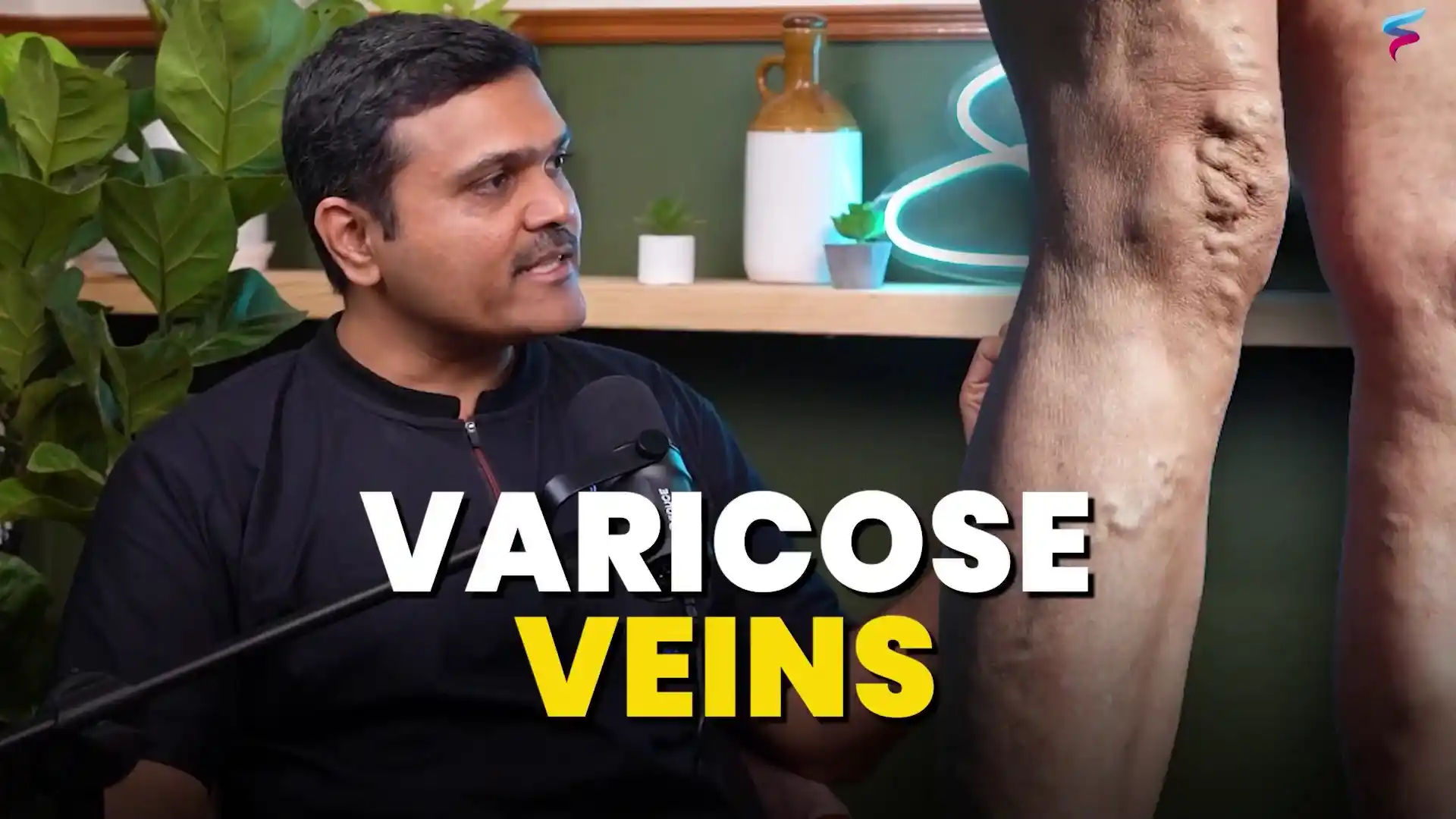
Varicose veins are enlarged, twisted veins that commonly develop in the legs when vein valves become weak and blood begins to pool. Laser-based procedures are widely used to treat varicose veins because they offer a minimally invasive alternative to traditional vein surgery. However, the varicose veins laser treatment cost can vary depending on several factors, including the severity of the condition, the number of veins involved, the type of laser procedure, the hospital or clinic, and the specialist's experience.
Understanding these factors can help patients make informed decisions about treatment and plan for the associated medical expenses.
What Is Laser Treatment for Varicose Veins?
Laser treatment for varicose veins is commonly performed using endovenous laser therapy (EVLT) or endovenous laser ablation (EVLA). These procedures use laser energy to close an abnormal vein and redirect blood flow through healthier veins.
During the procedure, a thin catheter is inserted into the affected vein under ultrasound guidance. Laser energy is delivered through the catheter, causing the vein to close. Over time, the treated vein is absorbed by the body.
Compared with traditional vein stripping surgery, laser treatment generally involves smaller access points, less tissue disruption, and a quicker recovery for many patients.
Factors That Influence Varicose Veins Laser Treatment Cost
The total treatment cost is not the same for every patient. Several medical and practical factors can influence the final expense.
1. Severity of Varicose Veins
The severity of the condition is one of the most important factors affecting treatment cost.
Patients with a few visible varicose veins may require a relatively straightforward procedure, while individuals with extensive venous disease, multiple affected veins, or significant venous insufficiency may need more comprehensive treatment.
Advanced cases involving skin changes, swelling, ulcers, or complicated vein anatomy may require additional evaluation and treatment planning.
2. Number of Veins Requiring Treatment
The number and location of affected veins can influence the procedure's complexity.
If only one major vein requires treatment, the procedure may be simpler. However, patients with multiple affected veins may require treatment of more than one vein or additional procedures to address associated branches.
The treatment plan is generally determined after a vascular examination and duplex ultrasound.
3. Type of Laser Procedure
Different minimally invasive techniques may be used to treat varicose veins.
Endovenous laser ablation uses laser energy to close the affected vein. Other treatment methods, such as radiofrequency ablation, medical glue treatment, or sclerotherapy, may also be considered depending on the patient's condition.
The technology used, equipment requirements, and procedural complexity can influence the overall cost.
4. Diagnostic Tests and Medical Evaluation
Before treatment, patients may require diagnostic investigations to identify the underlying cause of varicose veins.
Duplex ultrasound is commonly used to assess blood flow, detect valve dysfunction, identify reflux, and map the affected veins.
The cost of consultations, ultrasound examinations, and other recommended investigations may contribute to the total treatment expense.
5. Hospital or Clinic Facilities
The facility where the procedure is performed can also influence treatment costs.
Factors may include the location of the hospital or clinic, available technology, procedural facilities, medical staff, patient monitoring services, and the type of anesthesia or sedation required.
Different healthcare facilities may have different pricing structures based on their infrastructure and services.
6. Experience of the Vascular Specialist
The experience and expertise of the treating specialist are important considerations when choosing treatment.
Varicose vein procedures require accurate diagnosis, appropriate treatment planning, and careful technique. An experienced vascular specialist can evaluate the patient's condition and recommend a treatment approach based on the underlying vein problem rather than treating visible veins alone.
Patients should consider the specialist's qualifications, experience with minimally invasive vascular procedures, and the quality of medical care rather than choosing treatment solely based on the lowest price.
7. Additional Procedures or Follow-Up Care
Some patients may require additional treatments after laser ablation to address smaller residual veins or associated symptoms.
Depending on the condition, additional sclerotherapy, phlebectomy, follow-up ultrasound examinations, compression stockings, or other care may be recommended.
These services may affect the overall cost of treatment.
Is Laser Treatment for Varicose Veins Worth the Cost?
For many patients, laser treatment can provide meaningful benefits by addressing the underlying vein dysfunction and improving symptoms.
Potential benefits include reduced leg pain, less heaviness, improved swelling, treatment of problematic veins, smaller surgical access points, and relatively quick recovery.
However, treatment is not necessary for every person with visible varicose veins. Some patients may be managed with lifestyle modifications, compression therapy, and regular monitoring, while others may benefit from intervention because of persistent symptoms or complications.
The decision should be based on medical evaluation rather than appearance alone.
How to Prepare for Varicose Vein Laser Treatment
Before undergoing treatment, patients should discuss their symptoms, medical history, medications, and expectations with their vascular specialist.
A duplex ultrasound examination can help determine which veins are affected and whether laser treatment is appropriate.
Patients should also ask about the total estimated cost, what the package includes, whether follow-up visits are covered, the possibility of additional procedures, and expected recovery time.
Understanding these details beforehand can help avoid unexpected expenses and make the treatment process more manageable.
Consulting a Vascular Specialist
Choosing the right treatment requires more than estimating the procedure's price. The underlying cause of varicose veins, the extent of vein damage, and the patient's overall health all influence treatment decisions.
Dr Sumit Kapadia specializes in the evaluation and management of vascular conditions, including varicose veins. Consulting a vascular specialist can help patients understand their diagnosis, available treatment options, procedural requirements, and factors that may influence the cost of laser treatment.
A personalized assessment is the best way to determine the most appropriate treatment plan and expected expenses.
Conclusion
The varicose veins laser treatment cost depends on several factors, including the severity of vein disease, the number of veins requiring treatment, the procedure used, diagnostic tests, hospital facilities, specialist expertise, and follow-up care.
While cost is an important consideration, patients should also evaluate the quality of diagnosis, treatment safety, and the long-term effectiveness of the recommended procedure.
Seeking timely medical advice can help patients explore suitable treatment options and make informed decisions about managing varicose veins.

 English
 Arabic
 French
 Spanish
 Portuguese
 Deutsch
 Turkish
 Dutch
 Italiano
 Russian
 Romaian
 Portuguese (Brazil)