


Heroin Addiction Treatment in India | Athena Behavioral Health
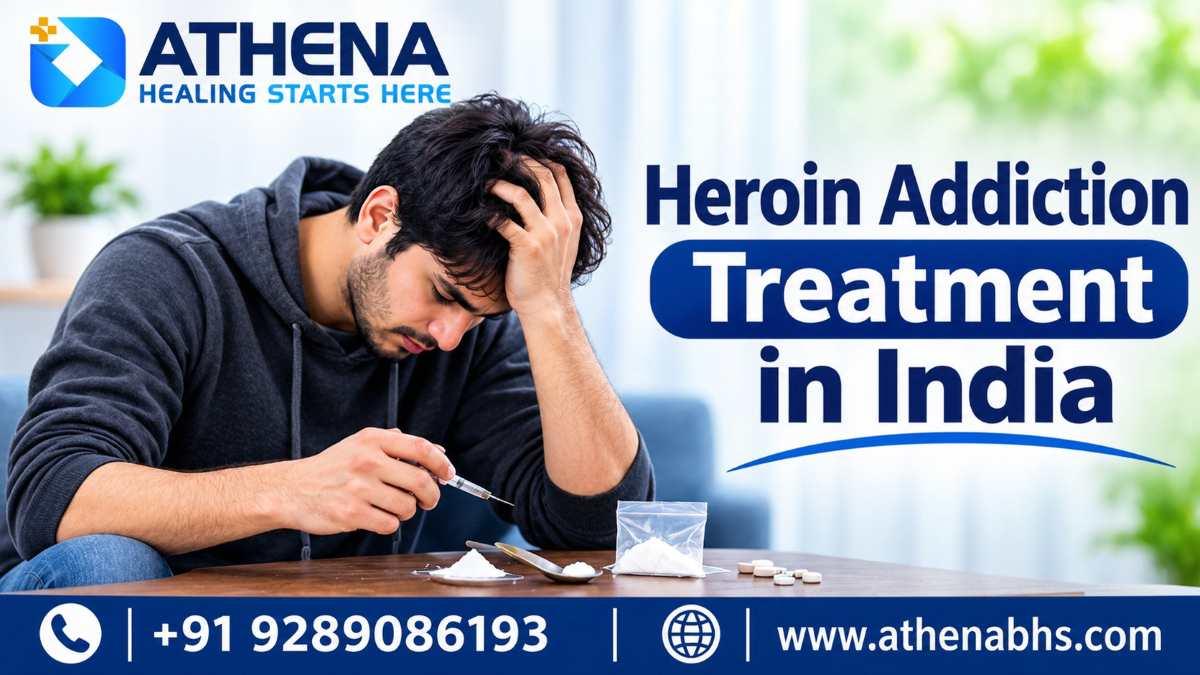
Access to Heroin Addiction Treatment in India can help individuals struggling with opioid dependence receive medical supervision, psychological care, and structured rehabilitation. Heroin addiction can affect physical health, emotional well-being, family relationships, and everyday responsibilities. With timely professional support and an individualised recovery plan, people can begin addressing substance dependence and work towards a healthier future.
Understanding Heroin Dependence and Its Effects on Health
Seeking Heroin Addiction Treatment in India is an important step towards understanding the physical and psychological effects of repeated heroin use. Heroin is an opioid that affects the brain's reward system and can create strong cravings and physical dependence. Continued use may interfere with decision-making, emotional stability, and daily functioning.
Common Symptoms That May Indicate Heroin Addiction
Recognising the warning signs can help individuals and families seek professional assistance. Common symptoms include:
- Strong cravings and difficulty controlling heroin use.
- Increasing tolerance and needing more of the substance.
- Drowsiness, confusion, or changes in alertness.
- Neglecting work, education, and family responsibilities.
- Changes in mood, sleep, and personal behaviour.
- Withdrawal symptoms when heroin use is reduced or stopped.
- Continuing substance use despite health and relationship problems.
Long-term heroin use can increase the risk of serious health complications, including respiratory problems, infections, and overdose. Early medical assessment can help identify these risks and guide appropriate treatment.
Choosing a Structured Rehabilitation Programme for Opioid Dependence
A suitable Heroin Addiction Treatment Centre in India should provide a coordinated approach that considers each individual's medical condition, substance-use history, and psychological needs. Recovery is not limited to stopping heroin use; it also involves addressing the emotional and behavioural factors that may contribute to dependence.
What to Expect From a Professional Treatment Plan
A structured rehabilitation programme may include several important services:
- Initial assessment: Medical and psychological evaluations help determine individual treatment requirements.
- Withdrawal management: Healthcare professionals monitor withdrawal symptoms and provide appropriate medical support.
- Individual counselling: Sessions help individuals explore emotional difficulties and personal triggers.
- Behavioural therapies: Therapeutic techniques encourage healthier thought patterns and coping skills.
- Group counselling: Peer discussions can create encouragement and reduce feelings of isolation.
- Family support: Counselling helps relatives understand addiction and contribute positively to recovery.
- Continuing care: Follow-up support helps individuals maintain progress after rehabilitation.
Treatment should be adjusted according to individual progress. Regular communication between healthcare professionals and patients can help ensure that care remains appropriate throughout recovery.
Medical Detoxification and Therapy at a Best De-Addiction Rehab Centre in India
Stopping heroin after prolonged use can cause withdrawal symptoms because the body has developed physical dependence. These symptoms may include muscle aches, sweating, nausea, diarrhoea, anxiety, restlessness, and sleep difficulties. A professional Best De-Addiction Rehab Centre in India can provide medical supervision and structured support to help individuals manage withdrawal symptoms and begin their recovery safely.
How Medical Care and Psychological Therapy Support Recovery
A well-equipped rehabilitation centre may offer supervised withdrawal management and psychological interventions as part of a comprehensive treatment plan. Medical professionals assess the individual's health and substance-use history before recommending appropriate care. Certain medications, including approved opioid-dependence treatments, may be considered when clinically suitable.
Psychological support can also help individuals understand the reasons behind substance use and develop healthier coping strategies. Common approaches include:
- Cognitive Behavioural Therapy (CBT): Helps identify thoughts and behaviours associated with heroin use.
- Motivational Interviewing: Builds confidence and motivation to continue treatment.
- Individual Therapy: Provides space to discuss personal and emotional challenges.
- Group Therapy: Encourages shared learning and positive peer support.
- Relapse Prevention: Helps identify triggers and develop practical coping strategies.
Combining medical treatment with psychological care can address both physical dependence and the emotional challenges associated with recovery.
Psychiatric Care and Emotional Well-Being During Heroin Treatment
Heroin dependence may occur alongside anxiety, depression, trauma-related concerns, and other mental health difficulties. Some individuals may use substances to cope with emotional distress, but continued use can worsen these problems. Addressing mental health alongside addiction is therefore an important part of comprehensive treatment.
The Role of Psychiatric Assessment in Addiction Recovery
A Best Heroin Addiction Treatment Centre in India should consider access to qualified psychiatric professionals and appropriate mental health services. Psychiatric assessments can help identify co-existing conditions and guide treatment decisions according to individual needs.
Mental health support may include:
- Psychiatric consultations and follow-up appointments.
- Assessment of anxiety, depression, and emotional difficulties.
- Individual and family counselling.
- Stress-management and emotional regulation techniques.
- Medication management when clinically required.
- Personalised recovery planning and ongoing monitoring.
Athena Behavioral Health focuses on mental health and addiction care through professional assessments and individualised treatment approaches. Coordinated support can help individuals work on emotional well-being while addressing substance dependence.
Maintaining Progress Through Aftercare and Relapse Prevention
Completing an initial treatment programme is an important milestone, but recovery continues beyond rehabilitation. Individuals may face stress, social pressure, familiar substance-use environments, or emotional challenges after returning to daily life. Continued guidance can help them manage these situations and maintain healthier routines.
Developing Healthy Habits for Long-Term Recovery
A practical aftercare plan may include:
- Attending regular medical and counselling appointments.
- Participating in suitable peer-support programmes.
- Maintaining healthy sleep and nutrition habits.
- Avoiding situations associated with previous heroin use.
- Building supportive relationships with family and friends.
- Practising stress management and emotional regulation.
- Setting achievable personal and professional goals.
Families can contribute by offering encouragement, understanding, and a stable environment. If cravings return or a relapse occurs, individuals should seek professional guidance rather than treating it as a personal failure. Timely support can help review treatment needs and strengthen recovery planning.
Conclusion
Professional Heroin Addiction Treatment can help individuals manage opioid dependence through medical supervision, psychological therapies, and personalised rehabilitation. With continued care, family support, and a structured aftercare plan, individuals can work towards better health and a more stable future. For treatment-related guidance, contact Athena Behavioral Health at +91 9289086193.
Frequently Asked Questions (FAQs)
- What are the common signs of heroin addiction?
Common signs include strong cravings, increased tolerance, withdrawal symptoms, and difficulty controlling heroin use. - Can heroin addiction be treated with medical support?
Yes, medical supervision and appropriate treatment can help manage opioid dependence and withdrawal. - How long does heroin addiction treatment take?
Treatment duration depends on substance-use history, medical needs, and individual recovery progress. - Is counselling important during heroin addiction recovery?
Yes, counselling helps individuals understand triggers, manage emotional difficulties, and develop healthier coping strategies. - Can someone recover from long-term heroin dependence?
Yes, medical care, psychological support, and continued aftercare can help individuals work towards long-term recovery.

 English
 Arabic
 Spanish
 Portuguese
 Deutsch
 Turkish
 Dutch
 Italiano
 Russian
 Romaian
 Portuguese (Brazil)
 Greek