


How Is Laser Tattoo Removal Performed Step by Step?
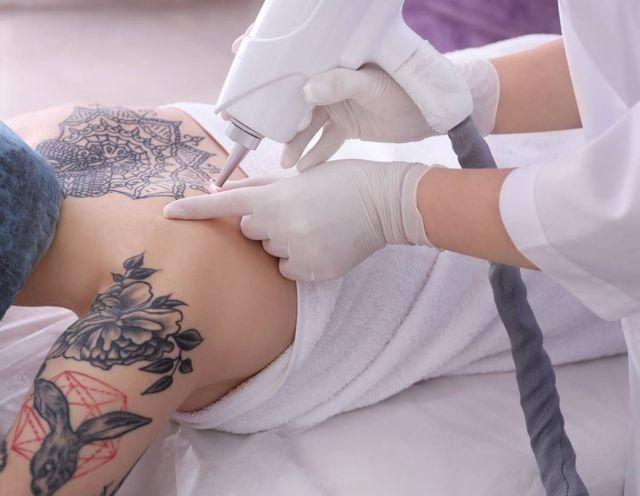
Laser tattoo removal is a specialized aesthetic procedure that uses advanced laser technology to break down unwanted tattoo pigments beneath the skin. The treatment is performed through a series of carefully controlled steps to help fade tattoo ink while protecting the surrounding skin. People considering إزالة الوشم بالليزر في دبي can benefit from professional assessment and an individualized treatment plan based on their tattoo characteristics and skin type. Understanding each stage helps patients prepare for the procedure, manage expectations, and follow appropriate aftercare.
What Happens During the Initial Consultation?
The first step is a consultation with a qualified dermatologist or laser treatment specialist. During this appointment, the specialist examines the tattoo and evaluates the patient's skin condition.
The assessment generally includes:
-
Tattoo size, shape, and location.
-
Ink colors and pigment density.
-
Tattoo age and depth.
-
Skin tone and sensitivity.
-
Previous tattoo removal treatments.
-
Medical history and medications.
This information helps determine whether laser tattoo removal is appropriate and which laser technology may provide the most suitable results.
The specialist also discusses the expected number of sessions, possible side effects, recovery requirements, and realistic outcomes.
Step 1: Preparing the Treatment Area
Before starting the procedure, the specialist prepares the tattooed area to maintain cleanliness and support a safe treatment experience.
The skin is gently cleaned to remove dirt, oils, and other surface impurities. The specialist then examines the area for irritation, wounds, or other conditions that could affect treatment.
Protective eyewear is provided to both the patient and the treatment professional because laser light can damage the eyes.
Depending on the tattoo's size and the patient's comfort level, a cooling device or topical numbing cream may be used to reduce discomfort.
Step 2: Selecting the Appropriate Laser Technology
Choosing the correct laser is an important part of the treatment process.
Different tattoo pigments absorb different wavelengths of laser energy. Dermatologists select suitable equipment and settings according to the ink colors, skin tone, and pigment depth.
Common laser technologies include:
-
Q-switched lasers: Deliver short, powerful energy pulses to break down tattoo pigments.
-
Picosecond lasers: Produce extremely short pulses that can fragment certain tattoo pigments into smaller particles.
-
Different laser wavelengths: Help specialists target particular ink colors more effectively.
The selection depends on individual requirements rather than using the same equipment settings for every patient.
Step 3: Applying Laser Pulses to the Tattoo
Once the skin is prepared and the equipment is selected, the specialist begins applying controlled laser pulses to the tattoo.
The laser handpiece is positioned over the treatment area, and short pulses of light are delivered into the skin. Tattoo pigments absorb this energy, causing the ink particles to break into smaller fragments.
Patients may experience sensations similar to small elastic-band snaps against the skin. The level of discomfort varies depending on the tattoo's location, size, and individual pain tolerance.
The specialist carefully monitors the skin throughout the procedure and adjusts the settings when necessary.
Step 4: Breaking Down the Tattoo Pigments
After the laser energy reaches the tattoo pigments, it creates a process known as photoacoustic fragmentation.
The concentrated energy breaks larger pigment particles into smaller fragments. These fragments can then be gradually processed and eliminated by the body's natural immune system.
Different colors may respond differently to laser treatment. Black and dark blue pigments often respond well, while green, yellow, and certain lighter colors can be more challenging.
This is why professional assessment and appropriate laser selection are important for achieving satisfactory fading.
Step 5: Cooling and Protecting the Skin
After laser application, the treated area may become red, swollen, warm, or sensitive.
The specialist may use a cooling device or apply an appropriate soothing product to improve comfort.
A suitable dressing may also be recommended, particularly when the treated area develops blistering or superficial skin irritation.
Patients receive instructions on keeping the area clean and protecting it during the initial healing period.
Step 6: Following Post-Treatment Care Instructions
Aftercare is essential for supporting skin recovery and reducing the possibility of complications.
Patients are generally advised to:
-
Keep the treated area clean and dry according to professional instructions.
-
Avoid scratching, rubbing, or picking the skin.
-
Allow blisters and scabs to heal naturally.
-
Avoid excessive sun exposure.
-
Apply recommended ointments or dressings when instructed.
-
Avoid activities that may irritate the treated area.
-
Contact the specialist if unusual pain, spreading redness, or signs of infection develop.
Following these instructions helps protect the treated skin while the body gradually removes fragmented tattoo pigments.
Step 7: Allowing the Skin to Recover
Laser tattoo removal does not produce complete results immediately. The body needs time to process and eliminate the fragmented ink particles.
During recovery, patients may notice redness, mild swelling, temporary sensitivity, or changes in the tattoo's appearance.
The healing period varies according to the treatment intensity, tattoo location, skin condition, and individual response.
Allowing sufficient time between sessions is important because repeating treatment too soon can increase the risk of skin complications.
Step 8: Attending Follow-Up Sessions
Most tattoos require multiple treatment sessions to achieve significant fading.
During follow-up appointments, the dermatologist examines the treated area and evaluates how much pigment has faded.
The treatment plan may be adjusted according to the skin's response and the remaining ink.
Factors affecting the number of sessions include:
-
Tattoo size and complexity.
-
Ink color and density.
-
Pigment depth.
-
Tattoo age.
-
Skin type.
-
Individual immune response.
Patients should understand that complete removal cannot always be guaranteed. Some tattoos may leave faint pigment or residual skin changes.
What Factors Influence the Overall Treatment Experience?
Several factors determine how laser tattoo removal progresses.
Tattoo characteristics: Larger and more complex tattoos may require more treatment sessions.
Ink colors: Dark pigments often respond more predictably than certain lighter colors.
Skin type: Different skin tones require carefully selected laser settings to reduce the risk of pigmentation changes.
Treatment technology: The type of laser and its wavelength influence how effectively specific pigments respond.
Aftercare: Following professional instructions supports recovery and helps minimize unwanted reactions.
FAQs:
How long does a laser tattoo removal session take?
Treatment time depends on the tattoo's size, location, and complexity. Smaller tattoos may take only a few minutes, while larger designs require longer appointments.
Is laser tattoo removal painful?
Patients may experience a snapping or stinging sensation during treatment. Cooling methods and topical anesthetics can help reduce discomfort.
How many sessions are required to remove a tattoo?
The number of sessions varies depending on tattoo size, ink color, pigment depth, and individual skin response. Multiple appointments are generally necessary.
Can patients return to normal activities after treatment?
Many patients can resume routine activities shortly after treatment, but they should follow aftercare instructions and avoid activities that irritate the treated area.
Does laser tattoo removal cause scarring?
Scarring is uncommon when treatment is performed appropriately, but it remains a possible complication. Following professional aftercare recommendations helps reduce the risk.
When will the tattoo begin to fade?
Some fading may become noticeable after the first session, but visible improvement develops gradually over subsequent weeks and treatment sessions.
Conclusion:
Laser tattoo removal is performed through a structured process involving professional consultation, skin preparation, laser application, pigment fragmentation, and post-treatment care. Each stage contributes to a controlled treatment experience and supports gradual tattoo fading. The number of sessions and final results depend on individual tattoo characteristics, skin type, and the body's natural healing response. Consulting a qualified dermatologist helps patients understand the procedure, choose suitable laser technology, and follow an appropriate treatment plan for their needs.

 English
 Arabic
 French
 Spanish
 Portuguese
 Deutsch
 Turkish
 Italiano
 Russian
 Romaian
 Portuguese (Brazil)
 Greek