


Horse Riding for Beginners: Where to Start and What Should You Know?
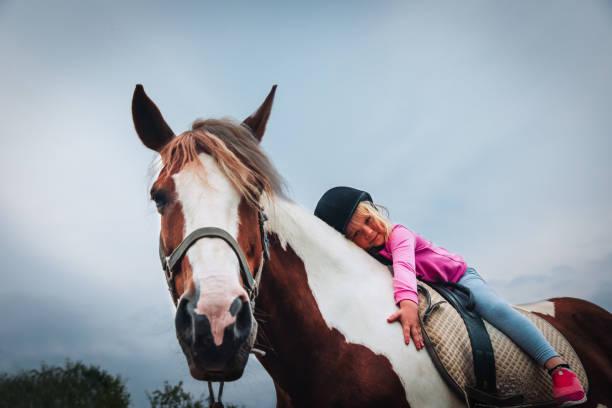
Horse riding is not only an enjoyable leisure activity but also an opportunity to develop a special bond with animals, improve physical fitness, and gain new experiences. Spending time with horses helps develop attentiveness, patience, coordination, and self-confidence. However, for someone who has never ridden a horse before, their first introduction to equestrian activities may raise quite a few questions.
To make the learning process comfortable and safe, it is important to choose the right place to train, become familiar with the basic rules of horse handling, and prepare the necessary equipment. Beginners should take things gradually rather than trying to master advanced riding techniques straight away.
How to Get Started with Horse Riding
The first step for anyone interested in learning to ride should be finding a reputable riding club or equestrian school. When choosing a facility, it is worth considering the instructors' experience, the conditions in which the horses are kept, the quality of the equipment, and whether lessons are specifically designed for beginners.
For the first session, an individual lesson with an instructor on https://koni.dp.ua/ is usually the best option. This format allows the trainer to focus on the rider's posture, correct hand and leg positioning, and basic horse-control techniques. The instructor will also select a calm, well-trained horse suitable for someone with no previous experience.
There is no need to rush into more advanced exercises. Initially, the most important things are learning to maintain balance in the saddle, understanding basic commands, and responding appropriately to the horse's behaviour.
How to Choose the Right Horse for Your First Lessons
For beginners, it is particularly important to choose a horse with a calm temperament that is accustomed to working with inexperienced riders and responds well to commands. It is best to leave this decision to the instructor, who knows each horse's personality and individual characteristics.
When meeting a horse for the first time, avoid sudden movements, shouting, or immediately trying to stroke it on the head. Approach calmly from the side, near the horse's shoulder, making sure it is aware of your presence. Always follow the instructor's guidance and avoid standing directly behind the animal.
Remember that a horse is a living creature with its own habits and reactions. Successful learning therefore depends not only on the rider's physical fitness but also on their ability to understand the animal's behaviour.
What Clothing and Equipment Do Beginners Need?
You do not need to purchase a complete set of professional riding equipment before your first lesson. Most riding clubs offer essential gear for hire, including protective helmets.
However, it is worth preparing comfortable clothing in advance. Your outfit should allow freedom of movement and prevent discomfort while riding.
The main equipment recommendations include:
-
Helmet. A certified riding helmet is an essential piece of protective equipment for preventing head injuries.
-
Trousers. Flexible, long trousers without thick inner seams are ideal, as they help prevent skin irritation and chafing.
-
Footwear. Choose boots with closed toes, a small heel, and a sole that will not slip through the stirrups.
-
Gloves. Riding gloves provide a better grip on the reins and protect your hands from rubbing.
-
Protective vest. An additional safety item that your instructor may recommend depending on the type of riding activities.
Avoid wearing sandals, shoes with excessively wide soles, or long scarves that could become caught in the riding equipment.
Essential Skills Every Beginner Should Learn
The first riding lessons usually focus on developing basic skills. Above all, riders need to learn how to mount a horse correctly and maintain their balance in the saddle.
Proper posture is particularly important. Your back should remain straight, your shoulders relaxed, and your legs should rest naturally against the horse's sides. Avoid gripping with your knees too tightly or keeping your arms unnecessarily tense.
The next stage involves learning how to hold and use the reins, as well as understanding the basic aids used to control the horse. Gradually, beginners learn to give clear signals, change direction, stop the horse, and maintain the required pace.
Most beginners start by learning to ride at a walk. Once they become more confident and their movements improve, the instructor may introduce the trot. Cantering and other advanced techniques should only be attempted after the rider has developed sufficient basic skills.
What to Expect During Your First Riding Lesson
The first lesson usually begins with a short safety briefing. The instructor explains the basic safety rules, discusses horse behaviour, and demonstrates how to interact with the animal correctly.
After that, beginners have an opportunity to meet the horse, learn how to approach it safely, and practise some simple preparatory activities. The next step is mounting the horse with the instructor's assistance.
At the beginning, lessons often take place in an enclosed riding arena. The instructor supervises the horse's movements, helps the rider maintain correct posture, and gradually introduces basic riding commands.
The duration of the first session depends on the riding club's programme, the rider's physical fitness, and how they feel during the lesson. There is no need to master every exercise at once. Learning the fundamentals properly is much more important.
The Benefits of Horse Riding for Physical and Mental Well-Being
Regular horse riding helps develop physical abilities that contribute to an active lifestyle. During a ride, the muscles of the legs, back, abdomen, and core are engaged. Riders constantly adjust their body position, which helps improve coordination, balance, and body awareness.
The psychological benefits are equally important. Spending time with an animal, enjoying the outdoors, and focusing on the riding process can help reduce everyday stress and promote emotional relaxation.
However, horse riding involves physical exertion and certain risks. People with musculoskeletal conditions or other health limitations should consult a medical professional before starting lessons.
Common Mistakes Made by Beginners
During their first lessons, beginners often tense their muscles excessively, pull on the reins too firmly, or attempt to control the horse independently without following the instructor's directions. These habits can interfere with the learning process and potentially create unsafe situations.
Another common mistake is trying to progress to advanced exercises too quickly. Every new skill requires practice, so it is better to develop gradually rather than compare your progress with that of more experienced riders.
It is also important not to ignore fatigue or discomfort. If you experience any unpleasant sensations or feel frightened during a lesson, let your instructor know immediately.
Conclusion
Horse riding for beginners can become an exciting hobby that combines physical activity, interaction with animals, and the opportunity to continually improve your skills. To make your first lessons successful, it is important to find an experienced instructor, choose suitable riding equipment, and follow all safety guidelines.
The key is to take your time, listen carefully to your instructor, and gradually build confidence in the saddle. This approach will help you enjoy the experience and take your first steps towards developing a lasting interest in equestrian sports.

 English
 Arabic
 French
 Spanish
 Portuguese
 Deutsch
 Turkish
 Dutch
 Italiano
 Romaian
 Portuguese (Brazil)
 Greek