


Best Parking Management System Saudi Arabia for Retail Centers
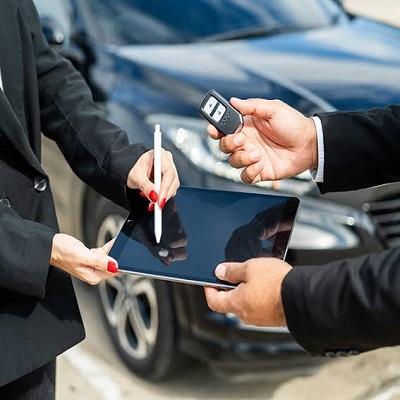
Retail centers attract large numbers of visitors every day, making parking management an essential part of their daily operations. From shopping malls and commercial plazas to supermarkets and lifestyle destinations, an organized parking facility helps create a smooth and convenient customer experience. When parking areas are poorly managed, visitors may face long queues, limited space, confusing directions, and unnecessary delays. A well-planned parking solution helps retail businesses overcome these challenges. Choosing the right Best Parking Management Services Saudi Arabia can help retail centers improve parking operations, maximize available space, strengthen security, and provide a better experience for customers and employees.
1. Why Retail Centers Need an Efficient Parking Management System
Parking is one of the first experiences customers have when visiting a retail center. If visitors struggle to find available spaces or experience delays at entry and exit points, their overall impression of the shopping destination may be affected.
Retail centers often experience changing parking demand throughout the day. Weekends, public holidays, promotional campaigns, and seasonal shopping periods can significantly increase vehicle traffic. Without an organized system, these busy periods may create congestion and operational difficulties.
An efficient parking management system helps retail centers organize vehicle movement, monitor parking occupancy, and manage available spaces more effectively. It also supports better coordination between parking staff and facility management teams.
Some important benefits include:
-
Better organization of parking areas.
-
Reduced congestion at entry and exit points.
-
Improved customer convenience.
-
More effective use of available parking spaces.
-
Enhanced vehicle security and monitoring.
-
Smoother parking operations during peak hours.
By addressing these needs, retail centers can create a more welcoming environment and encourage visitors to spend more time at their destinations.
2. How Smart Parking Technology Improves Customer Experience
Technology has transformed the way modern parking facilities operate. Traditional parking arrangements often depend heavily on manual supervision, which can make it difficult to manage large numbers of vehicles efficiently.
Smart parking technology introduces automated tools that help customers locate spaces, enter facilities, and complete parking procedures with fewer delays.
One useful feature is real-time parking availability monitoring. Sensors and other monitoring technologies can identify occupied and vacant spaces, allowing parking operators to maintain better visibility across the facility.
Digital displays can also guide drivers toward available parking sections. Instead of driving through multiple levels or rows searching for an empty space, visitors can follow clear directions.
Other useful technological features include:
-
Automated entry and exit systems.
-
Digital parking guidance displays.
-
Contactless payment options.
-
Vehicle access monitoring.
-
License plate recognition where appropriate.
-
Centralized parking management dashboards.
These features help reduce unnecessary vehicle movement and make parking more convenient. For retail centers, an improved parking experience can contribute to stronger customer satisfaction and a more positive perception of the shopping destination.
3. Managing Peak-Hour Traffic in Shopping Malls and Retail Centers
Peak-hour traffic is one of the most common challenges faced by retail parking facilities. During weekends, evenings, holidays, and major shopping events, hundreds or even thousands of vehicles may enter and leave within a short period.
If parking operations are not properly organized, queues can develop at entrances, payment stations, and exit barriers. These delays can affect both customers and surrounding roads.
A structured parking management approach helps retail centers prepare for changing traffic conditions.
Traffic Flow Planning
Clearly organized entry and exit routes help prevent unnecessary vehicle interactions. Separate traffic movements, directional signs, and properly positioned barriers can make vehicle circulation more predictable.
Real-Time Monitoring
Monitoring systems help operators identify crowded areas and respond before congestion becomes a larger problem. Parking teams can redirect vehicles toward less crowded sections when necessary.
Staff Coordination
Trained parking personnel can support customers, guide vehicles, and manage unusual traffic situations. Their presence is particularly valuable during major promotions and seasonal shopping periods.
Parking Zone Management
Dividing large facilities into clearly identified parking zones helps organize vehicle distribution. It also makes it easier for visitors to remember where they parked.
With these measures, retail centers can maintain smoother parking operations even when visitor numbers increase significantly.
4. Improving Parking Security and Vehicle Safety
Vehicle security is another important consideration for shopping malls and retail destinations. Customers expect their vehicles to remain in a properly monitored environment while they shop, dine, or attend entertainment activities.
An organized parking management system can support security by combining surveillance, access control, monitoring procedures, and trained personnel.
CCTV cameras help monitor parking areas and provide visibility across important locations, including entrances, exits, payment stations, and vehicle circulation routes.
Access control systems can also help operators monitor vehicles entering and leaving the facility. Depending on the technology used, license plate recognition and digital access records may provide additional information for operational monitoring.
Other important security practices include:
-
Regular monitoring of parking levels.
-
Clearly marked pedestrian pathways.
-
Proper lighting throughout parking areas.
-
Organized vehicle entry and exit procedures.
-
Emergency response arrangements.
-
Routine inspections of parking equipment.
Pedestrian safety is equally important. Retail centers often receive families, elderly visitors, and customers carrying shopping bags. Clearly marked walking routes, designated crossings, and visible directional signs help reduce confusion and improve safety.
A secure and organized parking environment builds customer confidence and supports the overall reputation of a retail destination.
5. Maximizing Parking Space and Improving Operational Efficiency
Retail centers must make effective use of their available parking capacity. Poorly organized parking areas can leave some spaces underutilized while other sections become overcrowded.
An effective parking management system helps operators understand how different areas are being used and identify opportunities to improve space allocation.
For example, occupancy monitoring can reveal which parking levels experience the highest demand and which sections remain relatively quiet. Facility managers can use this information to adjust parking arrangements and distribute vehicles more efficiently.
Smart parking guidance can also reduce the time drivers spend searching for spaces. This helps limit unnecessary circulation and makes better use of the existing parking layout.
Additional strategies include:
Organized Parking Sections: Clearly identified zones make it easier to distribute vehicles and manage different visitor groups.
Dedicated Accessible Spaces: Properly designated accessible parking supports visitors with mobility requirements.
Employee Parking Arrangements: Separate staff parking areas can help preserve convenient spaces for customers.
Traffic Direction Planning: Clearly marked lanes and directional signs improve movement throughout the facility.
Parking Data Analysis: Historical occupancy information helps management understand demand patterns and plan improvements.
These measures can help retail centers improve parking capacity without immediately requiring major structural changes.
6. Choosing the Right Parking Management Solution for Retail Centers
Selecting a suitable parking management solution requires careful consideration of the retail center's size, visitor numbers, operating requirements, and existing infrastructure.
A system that works well for a small shopping complex may not be suitable for a large shopping mall with multiple parking levels and several entry and exit points.
Retail operators should evaluate several important factors before making a decision.
Technology and Features
The selected solution should offer useful features such as occupancy monitoring, access control, parking guidance, and centralized reporting. The technology should address actual operational requirements rather than introduce unnecessary complexity.
Scalability
Retail centers may expand their facilities or experience higher visitor numbers over time. A scalable solution makes it easier to add parking spaces, monitoring equipment, and additional access points as requirements change.
Ease of Operation
Parking systems should be straightforward for both customers and employees. Clear interfaces, simple procedures, and reliable equipment help reduce confusion and support efficient daily operations.
Maintenance and Technical Support
Regular maintenance helps keep parking equipment functioning properly. Retail operators should consider the availability of technical assistance, system updates, and ongoing operational support.
Integration Capabilities
A suitable system should be capable of working with relevant security equipment, payment solutions, access control tools, and other facility management technologies.
Customer Convenience
The ultimate objective should be to create a convenient parking experience. Easy entry, clear directions, efficient payment procedures, and organized exits all contribute to customer satisfaction.
By evaluating these factors, retail centers can select a solution that supports both immediate operational needs and long-term business objectives.
7. The Future of Parking Management in Saudi Arabia's Retail Sector
Saudi Arabia's retail industry continues to develop alongside the country's wider urban and economic transformation. Modern shopping destinations are increasingly focused on providing convenient, technology-driven experiences that meet changing customer expectations.
As retail developments become larger and more sophisticated, parking operations will also require more advanced management approaches.
Artificial intelligence, connected sensors, automated access systems, and data analytics are expected to play an increasingly important role in parking operations.
AI-powered analytics can help identify traffic patterns and predict periods of high parking demand. This information allows operators to prepare staffing arrangements and organize parking resources more effectively.
Connected parking sensors can provide updated information about space availability, while automated systems can reduce the need for certain manual procedures.
Digital platforms may also improve communication between parking operators and visitors by providing useful parking information and payment options.
Sustainability is another important consideration. Reducing the amount of time vehicles spend searching for spaces can help limit unnecessary fuel consumption and vehicle emissions. Better traffic organization can also support more efficient use of existing parking infrastructure.
For retail centers across Saudi Arabia, adopting modern parking solutions can become an important part of creating convenient, secure, and well-organized commercial environments.
Conclusion
Parking management plays an important role in the success of modern retail centers. From managing peak-hour traffic and improving vehicle security to maximizing available spaces and introducing smart technology, an organized parking solution supports both operational efficiency and customer satisfaction.
Retail destinations in Saudi Arabia can benefit from solutions that combine reliable equipment, effective planning, trained personnel, and real-time monitoring. By choosing a system that matches their operational requirements, retail operators can create a smoother parking experience and support the long-term development of their facilities.
As customer expectations and retail environments continue to evolve, modern parking management will remain an essential part of delivering convenient and efficient shopping experiences.
Frequently Asked Questions (FAQs)
1. Why do retail centers need a parking management system?
Retail centers need parking management systems to organize vehicle movement, monitor parking availability, reduce congestion, and improve customer convenience. These systems also help facility managers maintain better control over daily parking operations.
2. How does smart parking technology benefit shopping malls?
Smart parking technology helps visitors identify available spaces, reduces unnecessary driving within parking facilities, and supports faster vehicle entry and exit. It also provides operators with useful information about parking occupancy and traffic patterns.
3. Can parking management systems reduce traffic congestion?
Yes. Parking guidance, organized entry and exit routes, occupancy monitoring, and automated access procedures can reduce unnecessary vehicle movement and help prevent long queues during busy periods.
4. How can retail centers improve parking security?
Retail centers can improve parking security through CCTV monitoring, access control, proper lighting, regular inspections, trained parking personnel, and clearly organized vehicle movement procedures.
5. What features should a modern retail parking management system include?
Important features include real-time parking monitoring, automated barriers, digital guidance displays, access control, payment integration, occupancy reporting, and centralized management tools.
6. How can parking management improve customer satisfaction?
An organized parking facility helps customers find spaces more easily, reduces waiting times, improves vehicle security, and provides a smoother arrival and departure experience. These improvements contribute to a more convenient shopping visit.

 English
 Arabic
 Spanish
 Portuguese
 Deutsch
 Turkish
 Dutch
 Italiano
 Russian
 Romaian
 Portuguese (Brazil)
 Greek