


How Proper Clinical Training Lowers Readmission Rates in UK Care Homes
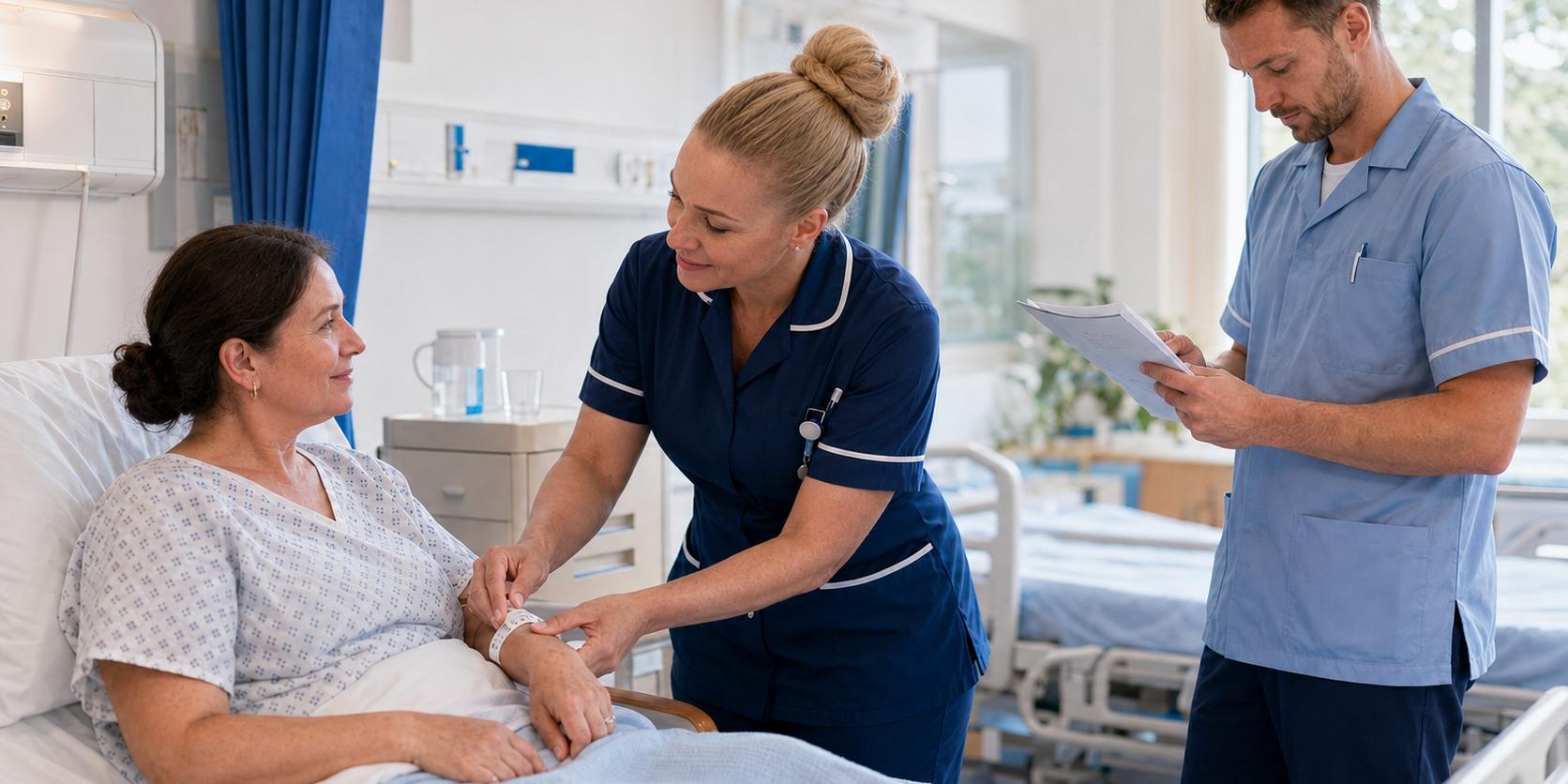
Unplanned hospital readmissions from UK care homes represent a persistent challenge for both social care providers and the National Health Service. Residents in residential and nursing settings frequently live with complex comorbidities, frailty, and heightened vulnerability to acute infections. When minor clinical issues go unrecognized or are managed inconsistently on-site, residents often require emergency transfer to acute hospitals. These transfers disrupt continuity of care, cause distress to residents and their families, and place significant pressure on already stretched hospital beds. Strengthening clinical competence within care home teams is one of the most practical and sustainable ways to catch early deterioration, prevent avoidable complications, and keep residents safely in their familiar surroundings.
Why Unplanned Readmissions Happen in Care Settings
Many hospital admissions originating from care homes stem from preventable conditions such as urinary tract infections, dehydration, falls, medication errors, and pressure injuries. In busy care environments, frontline staff balance personal care, emotional support, and clinical observations across multiple residents. Without structured training, subtle early warning signs—like mild confusion, changes in output, or localized discomfort—can easily be mistaken for normal aging or temporary fatigue. Communication gaps during shift handovers or when liaising with district nurses and GPs can further delay timely intervention. Addressing these root causes requires equipping staff with clear assessment routines, practical confidence, and a shared understanding of escalation pathways so concerns are acted upon before they turn into emergencies.
The Role of Practical Clinical Skills in Daily Care
High-quality clinical training bridges the gap between theoretical knowledge and everyday care delivery. Care workers, senior carers, and nurses benefit most from hands-on instruction that reflects real-world scenarios in residential and nursing homes. Core competencies include:
-
Early recognition of sepsis and acute infection indicators
-
Safe fluid balance monitoring and nutritional support
-
Accurate wound assessment and pressure ulcer prevention
-
Safe handling, hygiene, and routine maintenance of medical devices, such as taking a structured catheter care course to reinforce aseptic technique and infection control
-
Clear documentation and structured escalation using tools like NEWS2 or RESTORE2
When staff practice these skills regularly under realistic conditions, routine tasks become safer and more consistent across the entire team.
Reducing Infection Risks and Device Complications
Indwelling urinary catheters and other clinical devices are essential for many care home residents, yet improper management can quickly lead to catheter-associated urinary tract infections, blockages, pain, or trauma. In older adults, infections can rapidly trigger delirium, loss of mobility, and systemic illness that requires hospital admission. Consistent training helps staff maintain strict hygiene standards, spot early signs of blockage or infection, and know precisely when to seek clinical advice. Rather than relying on ad-hoc habits passed down informally on the floor, standardized training establishes clear expectations for every team member. Lowering infection and complication rates directly reduces emergency call-outs and helps residents maintain their comfort and independence.
Building Confidence Across the Care Workforce
Recruitment and retention remain major pressures across the UK care sector, making workforce development vital to long-term stability. When care staff receive thorough, accredited clinical training, they feel better supported and more capable in their day-to-day responsibilities. Confidence reduces hesitation when a resident’s condition shifts slightly, empowering staff to raise concerns early and collaborate effectively with healthcare professionals. A culture that values continuous learning also strengthens teamwork, improves morale, and signals to families and inspectors that the home prioritizes clinical safety. Over time, fewer crises and emergency transfers create a calmer, more predictable working environment for everyone on shift.
Implementing Sustainable Training Programs
Turning clinical training into measurable reductions in readmissions requires more than a one-off workshop. Care home managers and clinical leads can build lasting impact by aligning training schedules with resident acuity levels, auditing practice on the floor, and offering refresher sessions as guidelines evolve. Integrating practical scenarios into induction and ongoing supervision ensures new and experienced staff follow the same high standards. Measuring outcomes—such as rates of avoidable admissions, device-related issues, and staff confidence—helps providers see what works and refine their approach. With sustained investment in practical clinical skills, UK care homes can deliver safer, more responsive care while easing pressure on wider health services.

 English
 Arabic
 French
 Spanish
 Portuguese
 Deutsch
 Turkish
 Dutch
 Italiano
 Russian
 Portuguese (Brazil)
 Greek