


Bathroom Fitting Leeds: A Complete Guide to Planning, Designing and Installing Your Ideal Bathroom
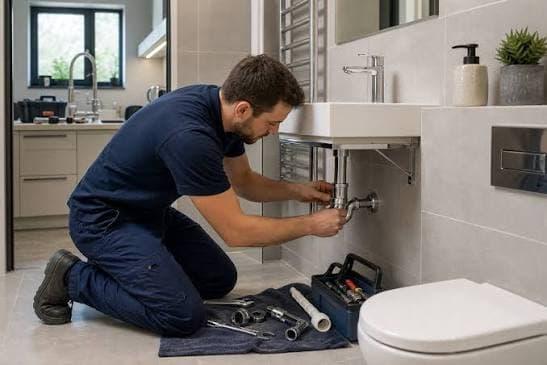
A well-designed bathroom is an essential part of a comfortable and functional home. Whether you are updating an outdated space, replacing old bathroom fixtures or planning a complete renovation, professional installation can make a significant difference to the final result. From selecting suitable fittings to ensuring reliable plumbing and effective ventilation, every detail contributes to creating a bathroom that looks attractive and works efficiently.
Choosing the right bathroom fitting Leeds service is an important step towards achieving a bathroom that meets your household's requirements. A properly planned installation can improve everyday convenience, maximise available space and enhance the overall appearance of your property. Moreover, professional workmanship helps reduce the likelihood of plumbing problems, water leaks and costly repairs in the future.
However, bathroom improvements involve more than simply choosing attractive tiles and modern sanitaryware. Homeowners must consider their budget, available space, plumbing arrangements, lighting, storage and long-term maintenance requirements. Understanding these factors makes it easier to plan a successful project.
This guide explores the essential stages of bathroom installation, explains the importance of professional workmanship and highlights practical considerations for homeowners looking to improve their bathrooms.
Why Professional Bathroom Installation Matters
A bathroom contains several interconnected systems, including water supply pipes, drainage, electrical fittings, ventilation and waterproof surfaces. Therefore, installation requires careful coordination and attention to detail.
Although some decorative improvements may appear straightforward, incorrectly installed fixtures or poorly sealed surfaces can lead to significant problems.
Reliable Plumbing and Water Connections
Plumbing is one of the most important elements of any bathroom installation. Toilets, showers, baths, basins and taps must connect correctly to the water supply and drainage systems.
Professional installation helps ensure that:
· Water connections are properly secured.
· Waste pipes provide effective drainage.
· Taps and shower fittings operate correctly.
· Potential leaks are identified during installation.
· Water pressure is suitable for the selected fixtures.
Furthermore, correctly installed plumbing reduces the risk of dampness, water damage and unnecessary maintenance.
Better Finishing and Attention to Detail
A professionally fitted bathroom should look consistent and function smoothly. Proper tile alignment, accurate measurements, neat silicone sealing and correctly positioned fixtures all contribute to a high-quality finish.
Small installation details can have a substantial impact on the appearance and durability of the completed space.
Popular Bathroom Styles for Modern Homes
Bathroom design has developed considerably, offering homeowners numerous options for creating practical and attractive interiors. The best approach depends on personal preferences, available space and the overall style of the property.
Contemporary Bathroom Designs
Contemporary bathrooms focus on simplicity, clean lines and practical features. Popular choices include wall-mounted basins, frameless shower screens, minimalist taps and neutral colour schemes.
Large-format tiles can also create a spacious appearance because they reduce the number of visible grout lines.
Additionally, concealed storage helps maintain a tidy environment without compromising functionality.
Traditional Bathroom Designs
Traditional bathrooms remain popular among homeowners who prefer classic styling. Freestanding baths, decorative taps, ceramic basins and traditional flooring can create an elegant atmosphere.
These designs work particularly well in period properties where homeowners want to maintain the original character of their homes.
Minimalist Bathroom Designs
Minimalist bathrooms prioritise simplicity and efficient use of space. Rather than including unnecessary decorative features, they focus on essential fittings and carefully selected materials.
Common features include:
· Walk-in showers.
· Floating vanity units.
· Neutral wall colours.
· Simple bathroom accessories.
· Integrated storage solutions.
This approach is especially useful for smaller bathrooms where excessive furniture can make the room feel crowded.
Essential Considerations Before Starting a Bathroom Project
Successful bathroom improvements begin with proper planning. Before purchasing materials or arranging installation, homeowners should understand their requirements and establish realistic expectations.
Assess the Available Space
The size and layout of a bathroom determine which fixtures can be installed comfortably. A large bathroom may accommodate a separate shower and bathtub, whereas a smaller room may benefit from a combined shower-bath arrangement.
Measure the room carefully, including wall lengths, ceiling height, door openings and existing plumbing positions.
It is also important to consider the clearance required around toilets, basins and shower enclosures. This helps ensure that the finished bathroom remains comfortable to use.
Establish a Realistic Budget
Bathroom renovation costs depend on several factors, including the size of the room, material quality, labour requirements and complexity of the installation.
A useful budget should account for:
· Bathroom fixtures and sanitaryware.
· Wall and floor tiles.
· Plumbing materials.
· Electrical work.
· Waterproofing products.
· Installation labour.
· Waste removal and finishing.
· Unexpected repairs.
It is sensible to reserve additional funds for unforeseen issues, particularly when renovating older properties where hidden plumbing or structural problems may be discovered.
Choose Suitable Materials
Bathrooms experience regular moisture, temperature changes and frequent cleaning. Therefore, selecting durable materials is essential.
Porcelain and ceramic tiles are popular because they are available in numerous styles and are relatively easy to maintain. For flooring, homeowners should prioritise suitable slip-resistant surfaces.
Similarly, moisture-resistant furniture and appropriate bathroom sealants can help protect surfaces against everyday wear.
Understanding the Bathroom Installation Process
A structured installation process helps ensure that different stages are completed in the correct order. While individual projects vary, most bathroom installations follow several essential steps.
Initial Inspection and Planning
The first stage involves examining the existing bathroom and identifying the work required.
This may include checking plumbing connections, drainage arrangements, wall conditions, flooring and ventilation. Measurements are also taken to determine the appropriate positioning of fixtures.
A detailed plan helps avoid unnecessary changes during installation and allows homeowners to understand the expected scope of work.
Removing Existing Fixtures
If the project involves replacing an existing bathroom, old fittings may need to be removed.
This can include:
· Toilets and cisterns.
· Basins and vanity units.
· Bathtubs and shower trays.
· Old taps and shower fittings.
· Wall and floor tiles.
· Damaged flooring or unsuitable materials.
Careful removal helps minimise damage to surrounding surfaces and makes it easier to prepare the space for new installations.
Plumbing and Electrical Preparation
Once the old fittings have been removed, plumbing and electrical work can be completed according to the installation plan.
Water supply connections, waste pipes and drainage arrangements should be checked before new fixtures are installed.
Electrical work is particularly important because bathrooms contain areas with specific safety requirements. Any electrical installations should comply with applicable regulations and be carried out by appropriately qualified professionals.
Waterproofing and Surface Preparation
Waterproofing is essential for protecting bathroom walls and floors against moisture penetration.
Shower areas and other locations exposed to regular water contact require appropriate preparation and waterproofing systems.
Before tiling begins, surfaces should be clean, stable and suitably prepared. This provides a reliable foundation for the finishing materials.
Installing Bathroom Fixtures
The next stage involves positioning and securing the selected bathroom fittings.
This may include toilets, washbasins, taps, bathtubs, shower enclosures and vanity furniture.
Accurate positioning is essential to ensure comfortable access, reliable connections and an attractive final appearance.
Tiling and Finishing
Tiles, grout, sealants and decorative finishes complete the appearance of the bathroom.
Professional attention to alignment, spacing and sealing helps create a consistent finish. Furthermore, suitable grout and sealant products help protect joints against moisture and everyday use.
How to Choose the Right Bathroom Fitting Professionals in Leeds
Selecting an experienced installation provider can make the entire renovation process easier. Homeowners should look beyond the initial quotation and assess the quality, reliability and suitability of the service.
When comparing bathroom fitting Leeds providers, consider the following important factors.
Check Previous Experience
Ask whether the installation team has experience with projects similar to yours. A provider familiar with complete bathroom renovations may be better equipped to coordinate plumbing, tiling, fixture installation and finishing work.
Previous project photographs can also help you understand the standard of workmanship.
Review Customer Feedback
Customer reviews can provide useful information about communication, punctuality, reliability and installation quality.
Look for detailed feedback rather than relying entirely on overall star ratings. Consistent comments about workmanship and customer service can help identify dependable providers.
Request a Detailed Quotation
A written quotation should explain the work included, estimated material costs, labour charges and any exclusions.
It is also useful to clarify whether the quotation includes waste removal, preparation work and final testing.
Comparing detailed quotations makes it easier to understand differences between providers and avoid unexpected expenses.
Discuss Timescales and Communication
Before work begins, establish an estimated completion schedule. Ask how changes, unexpected problems and additional costs will be communicated.
Clear communication helps homeowners remain informed throughout the renovation.
Bathroom Improvements That Add Everyday Convenience
A successful bathroom should offer more than visual appeal. Practical improvements can make everyday routines easier while helping homeowners make better use of available space.
Walk-In Shower Installations
Walk-in showers are increasingly popular because they create an open and modern appearance.
They can be particularly useful in bathrooms where a traditional shower enclosure feels restrictive. However, correct drainage and waterproofing are essential to prevent water from spreading into other areas.
Modern Vanity Units
Vanity units combine a washbasin with useful storage. They help organise toiletries, cleaning products and personal accessories while reducing clutter.
Wall-mounted options can also create the impression of additional floor space.
Improved Bathroom Lighting
Lighting affects both the appearance and usability of a bathroom.
A combination of general lighting, task lighting and suitable mirror illumination can improve visibility and create a more comfortable environment.
All bathroom electrical fittings must be appropriate for their location and installed in accordance with relevant safety requirements.
Effective Ventilation
Bathrooms naturally produce moisture through showers, baths and hot water. Without sufficient ventilation, condensation can accumulate and contribute to mould growth.
An appropriately selected extractor fan, combined with suitable natural ventilation where available, helps manage excess moisture.
Common Bathroom Installation Mistakes to Avoid
Even attractive bathroom designs can become inconvenient when important practical details are overlooked.
Ignoring Waterproofing Requirements
Insufficient waterproofing can allow moisture to penetrate walls and floors, potentially resulting in dampness and expensive repairs.
Appropriate waterproofing should be considered before tiling and fixture installation.
Choosing Appearance Over Functionality
A beautiful bathroom is not necessarily a practical one. Oversized furniture, poorly positioned fixtures and insufficient storage can make everyday use difficult.
Always consider comfort and accessibility alongside appearance.
Overlooking Ventilation
Inadequate ventilation can contribute to condensation, mould and deterioration of decorative finishes.
Planning suitable ventilation during the renovation helps protect the bathroom over time.
Selecting Low-Quality Materials
Inexpensive materials may initially reduce project costs, but unsuitable products can deteriorate quickly when exposed to moisture and frequent cleaning.
Choosing materials designed specifically for bathroom environments is generally a more dependable long-term approach.
How Professional Bathroom Fitting Can Improve Property Appeal
Bathrooms are important spaces when homeowners evaluate the overall condition and presentation of a property.
An updated bathroom with modern fixtures, clean finishes and practical storage can improve the property's visual appeal. Additionally, a well-maintained bathroom may make a positive impression on potential buyers and tenants.
However, the value added by a renovation depends on the property's location, condition, overall market and quality of the completed work. Therefore, homeowners should prioritise improvements that suit their property rather than assuming that every expensive upgrade will deliver a financial return.
For those considering bathroom fitting Leeds, focusing on durability, functionality and attractive design can provide lasting benefits.
Why Careful Project Management Makes a Difference
Bathroom renovations involve several different trades and installation stages. Coordinating these activities correctly helps prevent delays and unnecessary disruption.
Leeds Home Improvements recognises the importance of planning, suitable materials and attention to detail when approaching home improvement projects.
Homeowners should expect a clear understanding of the proposed work, appropriate preparation and careful finishing. Furthermore, checking installations before the project is considered complete helps identify issues that may otherwise become inconvenient later.
A final inspection should cover water connections, drainage, taps, shower operation, sealing, ventilation and the general condition of completed surfaces.
Frequently Asked Questions About Bathroom Installation
How long does a bathroom installation usually take?
The timescale depends on the size of the bathroom and the amount of work involved. A straightforward replacement may take several days, whereas a complete renovation involving plumbing alterations, electrical work and extensive tiling may take longer.
How much does a new bathroom cost in Leeds?
Costs vary according to bathroom size, fixture quality, labour requirements and the complexity of the project. The best way to establish an accurate budget is to request a detailed quotation based on the existing bathroom and proposed design.
Can a small bathroom be renovated to feel larger?
Yes. Wall-mounted furniture, large mirrors, walk-in showers, light-coloured finishes and effective storage can make smaller bathrooms feel more spacious.
Should plumbing be changed during a bathroom renovation?
Not necessarily. Existing plumbing may be suitable for continued use if it is in good condition and supports the new layout. However, damaged pipes, outdated connections or planned fixture relocations may require plumbing modifications.
What should I look for in a bathroom installation service?
Consider previous experience, customer feedback, transparent quotations, suitable qualifications, communication and the quality of completed projects. These factors can help you make a more informed decision.
Conclusion
Creating a comfortable and attractive bathroom requires careful planning, suitable materials and professional installation. From selecting modern fixtures and improving storage to ensuring reliable plumbing and effective waterproofing, every stage contributes to the quality and usability of the finished space.
Choosing the right bathroom fitting Leeds service can help homeowners achieve a bathroom that suits their lifestyle, available space and budget. By considering installation experience, material quality, ventilation, safety and finishing standards, you can make informed decisions and avoid common renovation problems.
Whether you are planning a complete bathroom transformation or simply replacing outdated fittings, prioritising functionality and durable workmanship is essential. Leeds Home Improvements can be considered when exploring home improvement solutions, with homeowners encouraged to discuss their individual requirements, project scope and installation expectations before proceeding.

 English
 Arabic
 French
 Spanish
 Portuguese
 Deutsch
 Turkish
 Dutch
 Italiano
 Russian
 Romaian
 Portuguese (Brazil)