


Which Details Should Buyers Discuss With ballvalveballs?
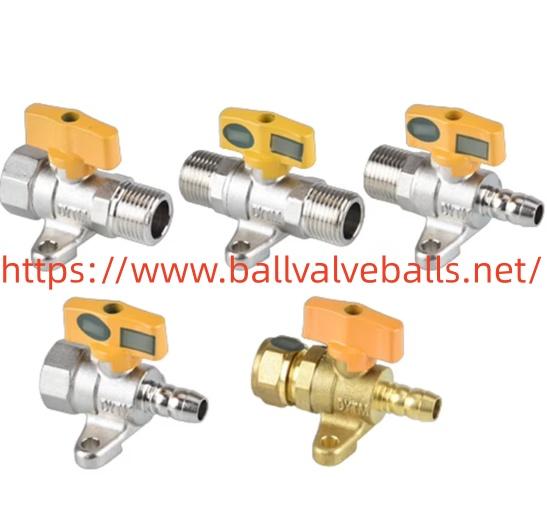
Ball Valve Fixed Ball selection requires buyers to look beyond appearance and quotation prices. This component needs to match the equipment design, operating environment, and assembly requirements. For distributors, equipment manufacturers, and industrial procurement teams, understanding material specifications, dimensional details, surface treatment, and inspection procedures can make supplier evaluation more effective. Before confirming an order, buyers should prepare technical information and discuss the intended application with the manufacturer.
Identify Design and Application Requirements
The purchasing process should begin with a clear description of the intended application. Buyers need to explain the equipment type, operating medium, pressure range, temperature conditions, and expected working frequency. These details help the manufacturer evaluate the component requirements in relation to the complete assembly.
The design configuration also deserves attention. Relevant information may include outer diameter, bore structure, mounting features, stem connection, and support arrangement. A technical drawing is useful because it provides a shared reference for both parties.
For replacement projects, buyers can provide an existing sample, product code, or previous drawing. This information helps clarify differences between an original component and a new customized specification. If the design has been modified, the latest drawing revision should be identified before production.
Review Material Options Carefully
Material selection should reflect actual working conditions rather than relying on general product descriptions. Stainless steel, carbon steel, and other alloy options may be considered according to corrosion exposure, mechanical requirements, temperature, and the properties of the operating medium.
Buyers should specify the required material grade or applicable standard whenever possible. A general description such as stainless steel may not provide enough information for a customized order. Different grades can have different chemical compositions and mechanical characteristics.
It is also useful to ask how raw materials are identified and managed. Material certificates, batch records, and traceability documents may be required for certain industrial projects. Agreeing on these requirements before production can make documentation easier to coordinate during delivery.
Examine Dimensional Accuracy and Machining
Dimensional control directly affects how a component fits into the equipment assembly. Buyers should identify critical measurements and define acceptable tolerances on the technical drawing. Depending on the design, these may include diameter, bore position, concentricity, roundness, connection dimensions, and other assembly-related features.
Machining methods should also be discussed. CNC equipment, grinding processes, and finishing operations may be involved depending on the design and required specifications. Buyers can ask how the manufacturer controls important dimensions during processing and what measuring equipment is used during inspection.
For customized projects, it is helpful to clarify whether a sample will be produced before the main order. A sample gives both parties an opportunity to review dimensions and assembly compatibility. Any required adjustments should be recorded in an updated drawing before batch production proceeds.
Consider Surface Treatment and Finish
Surface condition is an important part of component evaluation. Depending on the application, buyers may require polishing, grinding, plating, or specialized coating processes. Each option should be considered in relation to the working environment, contact surfaces, and technical requirements.
When a coating is specified, the buyer should confirm its type, thickness, hardness requirements, and treated areas. These details can influence final dimensions, so they should be discussed before machining and finishing arrangements are finalized.
Surface roughness should be expressed through a measurable value when it is a critical requirement. A general request for a smooth finish may leave room for different interpretations. Clear technical parameters make production communication and final acceptance more straightforward.
Ask About Quality Inspection
Inspection procedures should be established before the order enters production. Buyers can ask which dimensions are checked, how surface conditions are evaluated, and whether material verification or coating inspection is included.
Depending on the project, inspection may involve dimensional measurement, roundness checks, surface roughness testing, hardness measurement, and visual examination. The exact scope should reflect the drawing and agreed technical requirements.
Buyers should also clarify whether inspection reports are available. For repeat orders, consistent inspection criteria and organized production records can help both parties review differences between batches. If an independent inspection is required, its timing and acceptance criteria should be agreed in advance.
Evaluate Customization and Order Coordination
Industrial purchasing projects may involve non-standard dimensions, special materials, modified bore configurations, or specific finishing requirements. Buyers should check whether the manufacturer can review drawings and discuss practical production arrangements for these requests.
Communication is equally important. Before confirming an order, discuss sample schedules, production arrangements, packaging details, delivery expectations, and the documents that will accompany the shipment. Written confirmation of specifications can help reduce misunderstandings during manufacturing.
When comparing quotations, buyers should make sure the offers refer to the same material grade, dimensions, tolerances, surface treatment, inspection scope, and order quantity. A price comparison without matching technical details may not provide a meaningful basis for supplier selection.
Build a Clear Supplier Evaluation Process
A purchasing decision should consider the complete process, from technical communication to finished product inspection. Buyers can review equipment capabilities, material management, drawing control, customization experience, and the manufacturer's response to technical questions.At ballvalveballs, product discussions can cover material choices, dimensional requirements, surface finishing, and customized specifications according to project needs. Preparing drawings and application details before requesting a quotation can help establish a clearer production reference. Buyers interested in discussing component requirements or reviewing available product options can visit https://www.ballvalveballs.net/ for further information and direct communication with the manufacturer.

 English
 Arabic
 French
 Spanish
 Portuguese
 Deutsch
 Turkish
 Dutch
 Italiano
 Russian
 Portuguese (Brazil)
 Greek