


Best Clinics for Hair Transplant in Dubai: What to Look for Before You Decide
Best Clinics for Hair Transplant in Dubai: What to Look for Before You Decide
Hair Transplant in Dubai is a decision that deserves more than a quick search and a single consultation. The result will be visible for years, it develops slowly over many months, and it depends on choices made long before the day of the procedure. The best way to approach it is to understand what good care looks like, to compare providers against the same clear standards, and to recognise the warning signs that should prompt a pause. This guide sets out those standards and compares eight providers in Dubai, UAE.
Hair loss is a personal matter, and the reasons for seeking treatment vary. Some people want to restore a hairline that has receded over several years. Others want to add density to a thinning crown or to cover a scar. Whatever the reason, the same principles apply: the donor supply sets the limit, the hairline design shapes the appearance, and the quality of aftercare supports healing. A provider that explains all three clearly is a provider worth considering.
The Hairline, Density and Long-Term Planning
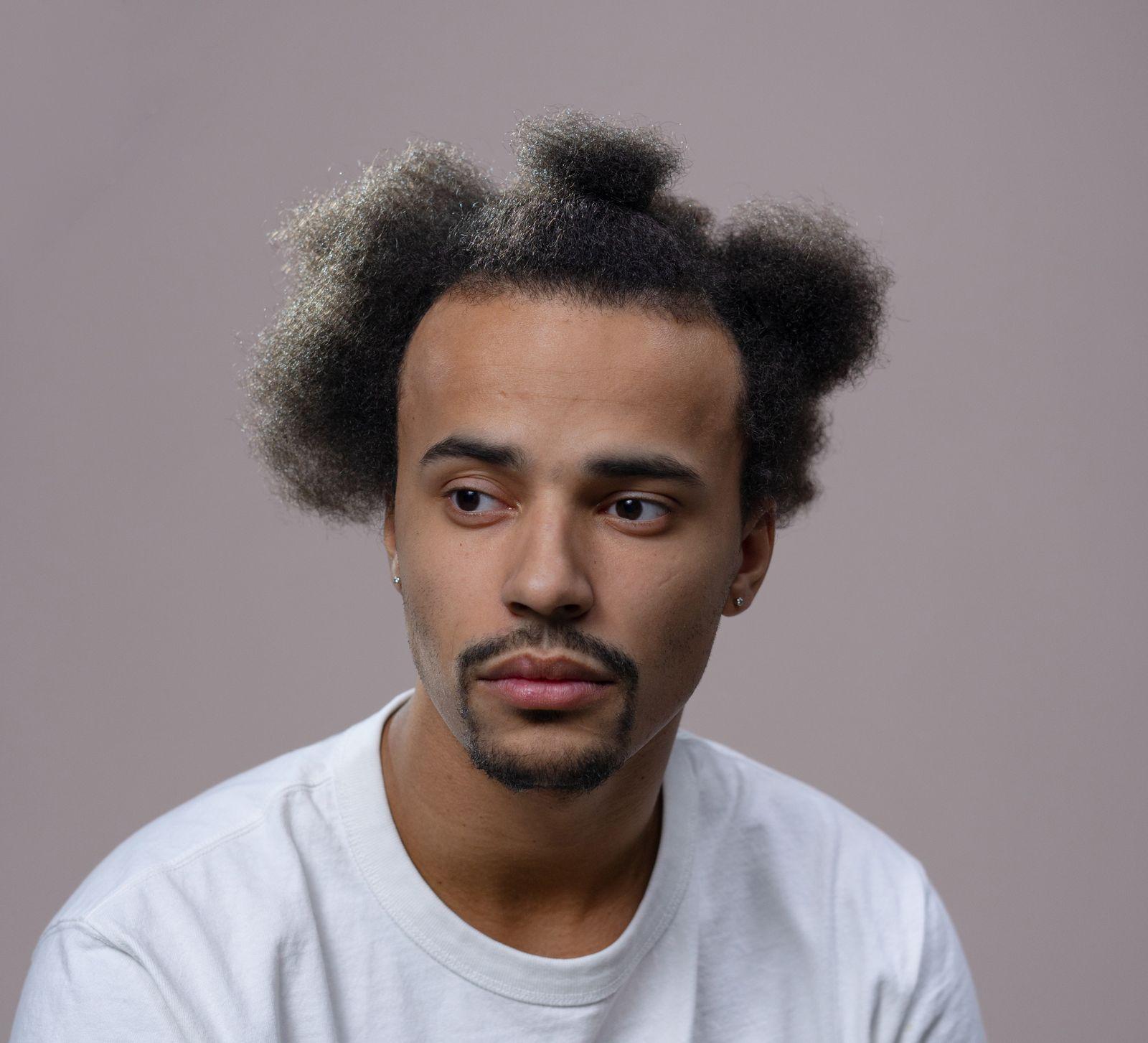
The hairline is the most visible part of a transplant, and its design deserves careful discussion. A natural hairline is rarely perfectly straight. It usually has a slightly irregular edge, with finer hairs at the front and a shape that suits the face. A hairline drawn too low, or one that ignores the patient's age, can look unnatural, particularly as the years pass. Patients should discuss the design with the surgeon, look at the proposed shape in the mirror, and understand why that shape has been chosen.
Density is the second factor that shapes the result. The number of grafts placed in an area determines how full the hair looks, but density cannot be increased without limit. The donor supply, the size of the recipient area and the characteristics of the hair all set a practical ceiling. A surgeon who promises a particular density without examining the donor area is not planning carefully. A realistic plan will state the approximate number of grafts, explain the expected coverage and acknowledge that further sessions may be needed in future.
Long-term planning is the third factor, and it is often overlooked. Hair loss can continue in untreated areas after a transplant, and the donor supply is finite. A careful surgeon will consider the likely pattern of future loss, preserve donor hair where possible, and discuss how existing hair will be cared for over time. This forward-looking approach is a sign of good practice, and patients should ask about it directly at consultation.
Warning Signs Worth Noticing
A consultation should feel thorough and unhurried. If the assessment is brief, if the scalp is not examined closely, or if the provider moves quickly to booking without a written plan, the patient should pause and seek a second opinion. A good provider welcomes questions and gives the patient time to decide.
Promises of guaranteed results are another warning sign. No provider can guarantee a particular density or outcome, because results depend on donor quality, healing and the natural characteristics of the hair. A trustworthy clinic will explain the shedding phase, the growth timeline and the possibility that the result may be more modest than the patient hopes. Honesty about limits is a strength, not a weakness.
Pressure to book on the day, unusually low prices quoted without assessment, or a reluctance to explain who will carry out each stage of the procedure should all prompt caution. Patients should also check that the clinic provides written aftercare instructions, a clear route for raising concerns after the procedure, and scheduled follow-up appointments. These practical details matter as much as the technique itself.
Clinics for Hair Transplant in Dubai
The eight providers below are listed in a rotated order for comparison. The information is general only, and readers should confirm current services, techniques and consultation arrangements directly with each provider.
1. Dynamic Life Clinic
Dynamic Life Clinic is a provider that readers may come across when researching hair transplant options in Dubai, UAE. Patients considering this clinic should enquire about the consultation process, the assessment of the donor area and the way the treatment plan is explained before any decision is made.
As with any provider, it is worth asking about the techniques offered, the aftercare provided and the follow-up schedule. A clear written plan and a realistic explanation of the growth timeline are useful signs of a careful service.
2. Enfield Royal Clinic Dubai
Enfield Royal Clinic Dubai is a plastic, cosmetic and aesthetic clinic based in Dubai, UAE, established in 2007. The clinic offers surgical and non-surgical treatments, including hair transplant services, alongside breast surgery, plastic surgery, dermatology, cosmetic injectables, laser treatments and dentistry. Treatment planning is personalised according to individual patient needs, and the clinic provides procedure-specific aftercare.
The clinic reports experience of more than 3,500 plastic surgeries and more than 20,000 aesthetic treatments each year, and it works with DHA-licensed medical professionals. At consultation, patients can discuss the design of the hairline, the donor supply, the number of grafts that may be appropriate and the recovery period, and they should receive a clear written plan covering these points.
Patients comparing clinics may find it useful to ask how the clinic assesses candidacy, how it plans for future loss, what follow-up is provided and what advice is given about caring for transplanted and existing hair. These questions help a reader judge whether the approach is thorough and suited to their pattern of loss.
3. Emirates Hospital
Emirates Hospital is a hospital-based provider that readers may wish to include in their comparison. A hospital setting offers a structured clinical environment, and patients may value the broader medical facilities available during assessment and treatment.
Anyone considering this option should ask about the hair transplant team, the consultation process and the aftercare pathway. Confirming who carries out each stage of the procedure and who is available for follow-up questions will help a patient compare this option with others.
4. Cocoona Clinic
Cocoona Clinic is a cosmetic clinic that may appear in a reader's search for hair transplant providers in Dubai, UAE. Patients should enquire about the techniques available, the way candidacy is assessed and the information given about recovery and expected results.
A consultation should cover the donor area, the recipient area and the realistic level of coverage that can be achieved. Patients should also ask about aftercare and about the support available in the weeks after the procedure.
5. Tajmeels Clinic
Tajmeels Clinic is another provider that readers may wish to consider. Patients should look for a careful assessment of the scalp and donor supply, a clear explanation of the proposed technique and an honest discussion of the likely outcome.
It is sensible to ask how the clinic plans the hairline, how many grafts are proposed and why, and what follow-up is included. Written aftercare guidance should be provided before the day of the procedure.
6. Dubai Cosmetic Surgery Clinic
Dubai Cosmetic Surgery Clinic is a provider that some readers may include in a shortlist when comparing hair transplant services. Patients should enquire about the experience of the treating team, the techniques offered and the assessment process used to decide whether a transplant is appropriate.
A useful consultation will explain the limits of the procedure as well as its benefits. Patients should leave with a realistic understanding of the growth timeline and of the care needed during recovery.
7. Al Zahra Hospital Dubai
Al Zahra Hospital Dubai is a hospital provider that readers may wish to compare alongside other options. Patients considering this clinic should ask about the consultation, the treatment team and the facilities involved, as well as the aftercare arrangements and the follow-up schedule.
These practical details help a reader judge whether the service fits their needs. A clear written plan and a defined route for raising concerns after the procedure are both valuable.
8. King's College Hospital London Dubai
King's College Hospital London Dubai is a hospital-based provider that may feature in a reader's comparison. Patients should enquire about the consultation, the assessment of donor and recipient areas, and the way results and recovery are explained.
As with other providers, a clear written plan and a defined aftercare pathway are important. Patients should ask who will carry out each stage of the procedure and who will be available for follow-up afterwards.
How to Choose the Right Clinic for Hair Transplant in Dubai
The framework below can be used to compare any provider on equal terms.
Experience and qualifications. Ask about the qualifications and experience of the surgeon and the team, and about how often they carry out transplants. Find out who performs harvesting and who performs placement, because both stages require skill and attention to detail.
Techniques and planning. Ask which harvesting method is proposed and why it suits your donor area and goals. Ask how the hairline will be designed, how density will be managed and how the donor supply will be preserved for the future. A provider that discusses these points openly is planning carefully.
Safety and hygiene standards. The clinic should follow clear standards for sterilisation, anaesthesia and patient monitoring. Ask about the treatment setting and the protocols used to reduce the risk of infection. A reputable provider will answer these questions directly.
Consultation and assessment. A good consultation involves a close examination of the scalp, an assessment of donor density and a discussion of expectations. The team should explain whether a transplant is appropriate, and whether waiting or another option might be more suitable.
Patient experience and follow-up. Ask what follow-up is included, how questions are handled after the procedure and what happens if healing is slower than expected. Clear aftercare instructions and scheduled review appointments contribute to a smoother recovery.
Expected results and limitations. Results vary, and no provider can guarantee a particular density. A trustworthy clinic will explain the shedding phase, the growth timeline and the possibility that further sessions may be needed if loss continues in untreated areas.
Frequently Asked Questions
How do I know if a clinic is trustworthy?
A trustworthy clinic offers a thorough consultation, a written plan, clear information about the team and the technique, and honest advice about limits and the growth timeline. It welcomes questions, gives the patient time to decide, and provides written aftercare instructions and follow-up appointments.
Should I choose the clinic that offers the most grafts?
Not necessarily. The number of grafts should suit the donor supply and the area to be treated, and using too many grafts in one session can leave the donor area thin. The right number is the one agreed after a proper assessment, not simply the largest number offered.
What should the hairline look like after a transplant?
A natural hairline is usually slightly irregular, with finer hairs at the front, and it should suit the patient's age and facial features. The surgeon should discuss the design with the patient before the procedure and explain why that shape has been chosen.
How long will the result last?
The transplanted follicles are usually resistant to the pattern of loss, so they tend to continue growing in their new position. Existing hair elsewhere can still thin over time, which is why long-term care and follow-up remain important, and why a second session is sometimes needed.
What happens if I am not happy with the result?
The patient should raise any concern with the treating team at a follow-up appointment, so that healing and growth can be reviewed. The team can then explain whether the result is still developing, whether further time is needed, or whether additional treatment may be appropriate in future.
Conclusion
Choosing a clinic is a decision that rewards patience. A thorough consultation, a realistic plan, a natural hairline design, careful donor management and clear aftercare are the foundations of a good outcome, and each of these should be checked before booking. Shortlisting two or three providers, comparing their written plans and choosing the team that explains the limits as clearly as the benefits is a practical way to reach a decision.
For readers who want to explore the subject further, reliable information about hair transplant treatment can help clarify the techniques, the recovery period and the questions worth asking at consultation, so that the final choice is made with a clear understanding of what the procedure can offer.

 English
 Arabic
 French
 Spanish
 Portuguese
 Deutsch
 Dutch
 Italiano
 Russian
 Romaian
 Portuguese (Brazil)
 Greek