


Gangnam Storage Box Injection Mould and the Future of Organized Living
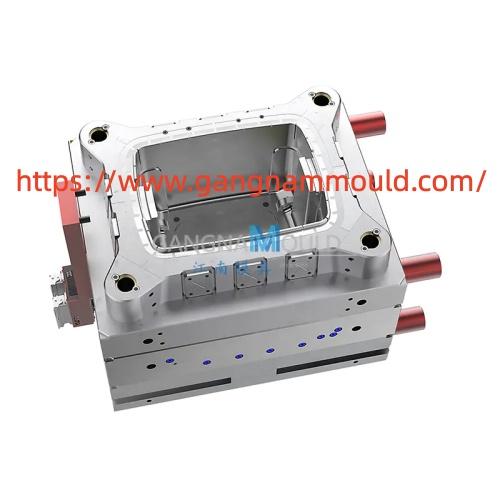
Storage Box Injection Mould development is closely connected to the changing way people organize their homes, workplaces, and personal belongings. As living spaces serve more purposes, consumers are looking for practical ways to keep everyday items accessible without making rooms feel crowded. From clothing and household accessories to stationery, toys, and office supplies, different belongings require different organization methods. Manufacturers therefore need to consider how product design can support changing lifestyles and everyday routines.
One interesting trend in home organization is the growing demand for adaptable living spaces. A bedroom may also function as a home office, while a living room may need to accommodate entertainment equipment, books, and children's belongings. When rooms serve several purposes, organization becomes an important part of interior planning. Storage products should fit naturally into these environments while helping users maintain a comfortable and orderly atmosphere.
Visual coordination is an important part of this process. Consumers increasingly pay attention to how household accessories match furniture, wall colors, and decorative styles. Some prefer transparent designs that make contents easy to identify, while others choose solid colors that create a cleaner visual impression. Neutral shades may suit minimalist interiors, whereas brighter colors can add personality to children's rooms or creative workspaces.
Material selection also influences the practical value of a finished product. Plastic is widely used for household organization because it can be shaped into different forms and offers flexibility in color and surface treatment. Manufacturers should evaluate material characteristics according to the intended application. Factors such as impact resistance, flexibility, moisture exposure, cleaning convenience, and expected handling conditions can all influence the choice of material.
Another important consideration is how people access stored belongings. A product used for frequently accessed household items may require a different structure from one intended for seasonal clothing or long-term storage. Lid design, opening direction, side handles, visibility, and internal organization can affect convenience. Thoughtful structural planning helps manufacturers create products that respond to actual user habits instead of relying only on appearance.
Stacking and nesting are also relevant to household and commercial organization. In homes, users may need to arrange several containers inside closets, under beds, or on shelving units. Retail stores, warehouses, and offices may have different requirements for organizing empty products before use. Designers can consider how the structure supports placement, movement, and space utilization in different environments.
For businesses developing new products, customization creates opportunities to serve different customer groups. Retail brands may want coordinated designs that match an existing household collection. Office suppliers may focus on practical arrangements for documents and accessories, while children's product businesses may prefer colorful appearances and accessible openings. Understanding the intended market helps manufacturers make informed decisions about shape, structure, and surface appearance.
The technical side of product development requires careful attention as well. Wall distribution, corner transitions, lid connections, handle positions, and surface details can influence manufacturing considerations. Three-dimensional modeling gives designers and technical teams a way to review structural concepts before production begins. This process can also make communication easier when buyers need customized designs or want to discuss modifications to an existing concept.
Choosing a suitable mould supplier should involve more than comparing sample photographs. Buyers can evaluate the supplier's ability to interpret drawings, discuss material options, coordinate design revisions, and understand the intended application. Providing clear product references and usage requirements at the beginning of a project helps establish realistic expectations and supports more productive technical discussions.
Gangnam focuses on customized plastic mould development for manufacturers working across different product categories. Its approach considers the relationship between product structure, design expectations, and manufacturing requirements. For household organization products, this means paying attention to how consumers will handle, arrange, open, and maintain the finished items. Such considerations can help businesses develop products that reflect practical market needs.
Digital design technology is also changing product development workflows. Three-dimensional visualization allows buyers to examine shapes and structural details before physical production. Design teams can discuss modifications more clearly and evaluate whether a proposed concept fits the intended application. This can be particularly useful for businesses serving international markets, where clear visual communication helps coordinate projects between different teams.
Sustainability deserves consideration during the development process. Manufacturers may review material efficiency, product lifespan, recyclability, and production waste when planning new household products. Reusable designs and responsible material decisions can contribute to more thoughtful consumption practices. Any environmental claims should be based on verified information and the actual characteristics of the materials involved.
Good organization is ultimately about making everyday activities more convenient. A practical product should fit its intended environment, allow users to access belongings comfortably, and maintain a visual relationship with the surrounding space. Gangnam works with businesses seeking customized tooling support for household and commercial product development. Companies planning new organization product collections can visit https://www.gangnammould.com/product/ to review its product offerings and discuss potential mould development solutions for their manufacturing projects.

 English
 Arabic
 French
 Spanish
 Portuguese
 Turkish
 Dutch
 Italiano
 Russian
 Romaian
 Portuguese (Brazil)
 Greek