


Why Follow-Up Care Matters During Hair Loss Treatment
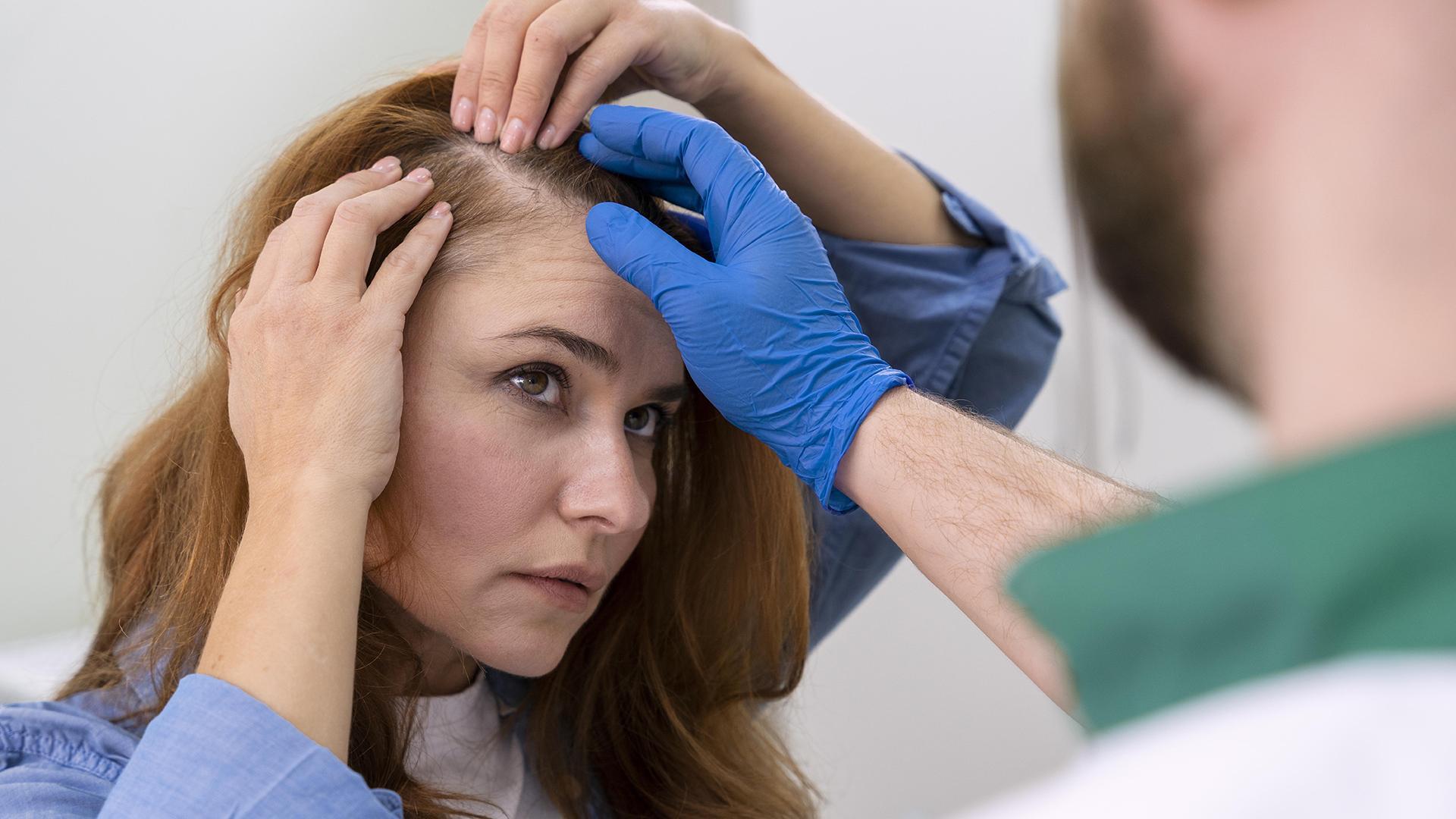
Hair Loss Treatment in Islamabad can be a gradual process influenced by genetics, hormonal changes, nutritional deficiencies, medical conditions, stress, and lifestyle factors. Although starting the right treatment is an important step, achieving and maintaining healthy hair requires more than an initial consultation or procedure. Consistent monitoring helps patients understand their progress, identify potential concerns, and receive appropriate guidance throughout their treatment journey.
Follow-up care plays an essential role in managing hair loss because hair growth takes time and different treatments produce different results. Whether someone chooses medication, PRP therapy, hair restoration procedures, or other professional treatments, regular appointments help healthcare professionals evaluate the response and recommend suitable next steps.
Why Is Follow-Up Care Important During Hair Loss Treatment?
Follow-up care involves scheduled consultations after starting a hair loss treatment. These appointments allow professionals to assess scalp health, monitor hair growth, review treatment responses, and address patient concerns.
Hair restoration is not an overnight process. Hair follicles follow natural growth cycles, meaning visible improvements may take several months. Without regular assessments, patients may struggle to understand whether their treatment is working or whether changes are necessary.
Important benefits of follow-up care include:
-
Progress monitoring: Professionals can compare hair density, thickness, and scalp condition over time.
-
Early identification of concerns: Unusual shedding, irritation, or unexpected reactions can be evaluated.
-
Treatment adjustments: Recommendations can be modified according to individual progress and clinical needs.
-
Patient guidance: Individuals receive practical instructions about hair care, scalp hygiene, and recovery.
-
Long-term management: Regular assessments help maintain realistic expectations and support ongoing hair health.
How Regular Assessments Help Track Hair Growth
Hair growth happens in different stages, including anagen (growth), catagen (transition), and telogen (resting). Because follicles do not grow simultaneously, improvements may appear gradually.
Follow-up appointments help professionals evaluate changes that might not be immediately noticeable to patients.
During these assessments, specialists may examine:
-
Hair density and thickness in affected areas.
-
Changes in the hairline and crown region.
-
Scalp condition and signs of inflammation.
-
New hair growth and existing hair strength.
-
Areas experiencing continued thinning or shedding.
Clinical photographs can also help compare treatment progress. Taking pictures under similar lighting and angles provides a more consistent way to evaluate visible changes.
Identifying Treatment-Related Concerns Early
Different hair loss treatments have different requirements, recovery periods, and potential side effects. Regular follow-up appointments help identify concerns before they become more difficult to manage.
For example, patients receiving PRP therapy may experience temporary scalp tenderness, while individuals using topical or oral hair loss medications may have questions about irritation, shedding, or other reactions.
Follow-up care allows patients to discuss these experiences with qualified professionals rather than making treatment decisions independently.
Common concerns that may require professional assessment include:
-
Persistent scalp redness or irritation.
-
Unexpected or prolonged hair shedding.
-
Discomfort following a hair restoration procedure.
-
Changes in scalp sensitivity.
-
Limited improvement despite following the recommended treatment plan.
Patients should contact their healthcare provider if they experience concerning symptoms instead of waiting for their next scheduled appointment.
Adjusting Treatment According to Individual Progress
Hair loss does not affect everyone in the same way. Some individuals experience gradual thinning, while others develop noticeable bald patches or a receding hairline. The underlying cause also influences which treatment approaches may be appropriate.
Follow-up consultations help professionals determine whether the current treatment remains suitable.
Depending on the assessment, a specialist may recommend:
-
Continuing the existing treatment if progress is satisfactory.
-
Reviewing the treatment schedule.
-
Investigating possible underlying causes of persistent hair loss.
-
Considering additional diagnostic assessments.
-
Discussing alternative treatment options when clinically appropriate.
For example, someone experiencing hereditary hair loss may require a different management strategy from someone experiencing temporary shedding related to nutritional deficiencies or stress.
This individualized approach makes follow-up care an important part of responsible hair loss management.
The Role of Follow-Up Care After Hair Transplant Surgery
Hair transplant patients particularly benefit from regular postoperative assessments. Although the procedure relocates hair follicles from a donor area to a recipient area, the healing and growth process continues for several months.
During recovery, patients may experience temporary redness, scabbing, swelling, and shedding of transplanted hair. These changes can be part of the normal healing process, but professional monitoring helps distinguish expected recovery from complications.
Post-transplant follow-up may involve:
-
Checking the donor and recipient areas.
-
Evaluating scalp healing.
-
Reviewing postoperative hygiene instructions.
-
Monitoring new hair growth.
-
Discussing temporary shedding and recovery expectations.
-
Providing guidance about returning to regular activities.
Transplanted hair generally develops gradually, and visible results may take around 9–12 months or longer, depending on individual healing and growth patterns.
Following postoperative instructions and attending scheduled appointments can help patients navigate each recovery stage with greater confidence.
How Patients Can Support Their Treatment Between Appointments
Professional follow-up is important, but patients also have responsibilities between consultations. Following recommended instructions and maintaining healthy habits can support overall scalp and hair health.
Consider these practical steps:
-
Follow the prescribed treatment schedule consistently.
-
Avoid excessive heat styling and harsh chemical treatments.
-
Use hair care products recommended by your healthcare professional.
-
Maintain a balanced diet with adequate protein and essential nutrients.
-
Avoid changing medications or treatment routines without professional advice.
-
Report unusual symptoms or unexpected changes promptly.
-
Keep photographs to document visible hair changes over time.
Patience is equally important. Hair growth takes time, and comparing daily changes can create unrealistic expectations.
Choosing a Clinic That Provides Continued Hair Care Support
Selecting a hair restoration clinic involves more than comparing treatment prices or advertised results. Patients should consider professional qualifications, consultation quality, treatment planning, hygiene standards, and access to postoperative support.
A reliable clinic should explain the expected treatment timeline, possible limitations, recovery requirements, and follow-up schedule before treatment begins.
Individuals exploring hair restoration options can consider SKN Cosmetics in Islamabad for professional guidance regarding hair loss and hair restoration treatments. Before choosing any procedure, patients should discuss their hair loss history, scalp condition, medical background, and expectations with a qualified professional. Understanding the available treatment options and follow-up arrangements can help individuals make informed decisions.
A patient-focused approach should also include clear communication, realistic expectations, and appropriate monitoring throughout the treatment journey.
Conclusion
Follow-up care is an essential part of effective hair loss management because it helps monitor progress, identify potential concerns, and ensure that treatment recommendations remain appropriate. Whether someone is receiving PRP therapy, medical hair loss management, or a hair transplant, regular professional assessments provide valuable support at every stage.
For individuals considering hair loss treatment, choosing a clinic that emphasizes continuous monitoring and patient education can make the treatment journey more informed and manageable. Consistency, patience, and professional guidance are important factors in supporting long-term hair health.
Frequently Asked Questions (FAQs)
1. Why is follow-up care important during hair loss treatment?
It helps monitor hair growth, identify concerns, and evaluate treatment progress.
2. How often should I attend hair loss follow-up appointments?
The schedule depends on your treatment type and individual progress.
3. Can follow-up appointments improve hair growth?
They help professionals monitor results and adjust treatment when necessary.
4. Is follow-up care necessary after a hair transplant?
Yes, it helps assess healing, monitor growth, and identify possible complications.
5. How long does it take to see hair treatment results?
Results vary, but many treatments require several months before visible improvements appear.

 English
 Arabic
 French
 Spanish
 Portuguese
 Deutsch
 Turkish
 Dutch
 Russian
 Romaian
 Portuguese (Brazil)
 Greek