


Panacur for Pets
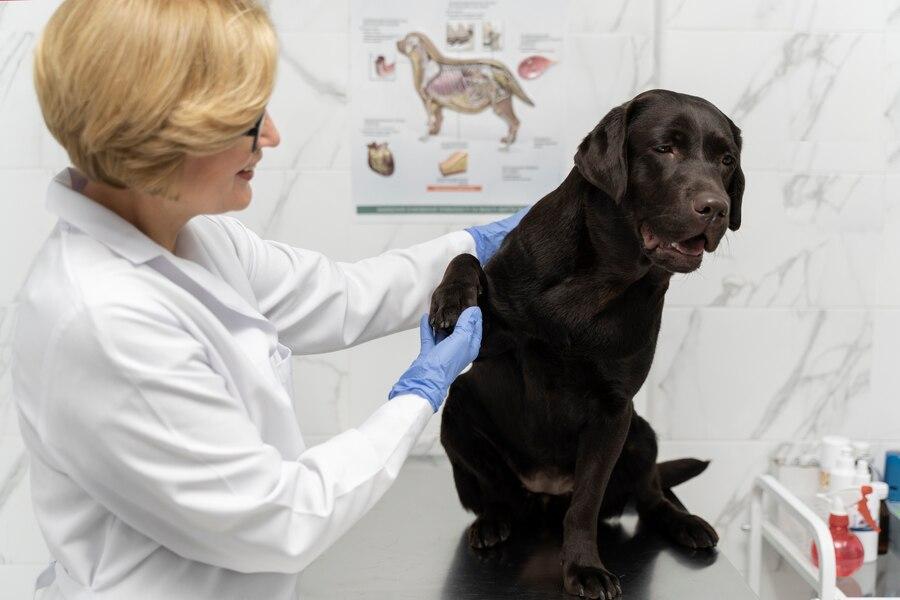
Panacur is a widely used veterinary deworming medication that helps treat certain intestinal parasite infections in pets. Its active ingredient, fenbendazole, belongs to the benzimidazole class of anthelmintic medicines. It is commonly used in dogs and other animals to control specific gastrointestinal worms and parasites. Understanding its uses, benefits, administration, and safety precautions can help pet owners make informed decisions about their animals' healthcare.
What Is Panacur for Pets?
Panacur Australia is a veterinary antiparasitic medication available in different formulations, including tablets, granules, and oral suspensions. It contains fenbendazole, which works against several types of intestinal parasites.
Veterinarians may recommend Panacur for dogs, cats, and certain other animals depending on the parasite involved and the approved product formulation. However, the appropriate treatment depends on the pet's species, age, weight, health condition, and diagnosis.
What Is Panacur Used for in Pets?
Panacur is primarily used to manage certain intestinal worm infections. Its effectiveness depends on the parasite species and the animal being treated.
Common parasites targeted by fenbendazole include:
Roundworms: These intestinal worms can interfere with digestion, nutrient absorption, and normal growth, particularly in young animals.
Hookworms: These parasites attach to the intestinal lining and feed on blood, potentially causing anaemia and weakness.
Whipworms: These worms affect the large intestine and may cause diarrhoea, weight loss, and digestive discomfort.
Certain tapeworm species: Fenbendazole may be effective against selected tapeworms, depending on the species and treatment protocol.
Giardia: Veterinarians may prescribe fenbendazole as part of a treatment plan for certain Giardia infections.
Not every intestinal parasite responds to fenbendazole. Therefore, veterinary diagnosis is important before starting treatment.
Benefits of Panacur for Pets
Panacur offers several potential benefits when used appropriately under veterinary supervision.
1. Helps Control Intestinal Worms
Fenbendazole interferes with essential processes inside susceptible parasites, helping eliminate them from the animal's digestive system.
2. Multiple Formulations
Panacur is available in different dosage forms, making administration more convenient for pets with different needs and preferences.
3. Supports Digestive Health
By treating susceptible intestinal parasites, Panacur can help improve parasite-related digestive problems and support normal nutrient absorption.
4. Suitable for Different Animal Species
Certain Panacur formulations are intended for different animal species. However, products and treatment instructions are not interchangeable, so veterinary guidance is necessary.
How Does Panacur Work?
Panacur contains fenbendazole, which works by interfering with the formation of microtubules in susceptible parasites. These structures are necessary for important cellular functions, including nutrient absorption and energy metabolism.
By disrupting these processes, fenbendazole gradually weakens the parasites and prevents them from maintaining normal biological functions. Eventually, susceptible parasites die and are eliminated from the animal's body.
The medicine does not work instantly. The time required for treatment depends on the parasite, infection severity, and prescribed treatment schedule.
Panacur Dosage for Pets
The correct Panacur dosage depends on the animal's species, body weight, age, medical condition, and the type of parasite being treated.
Veterinarians determine the appropriate amount and duration of treatment based on these factors. Some infections require treatment over several consecutive days, while other conditions may require a different protocol.
Pet owners should:
Follow the veterinarian's recommended dosage.
Use the formulation intended for the animal.
Measure liquid formulations accurately.
Complete the prescribed treatment course.
Avoid repeating or extending treatment without professional advice.
Never use a dosage intended for dogs in cats or other animals without veterinary approval.
Possible Side Effects and Safety Precautions
Panacur is generally well tolerated in many animals when administered according to veterinary instructions. However, some pets may experience mild side effects.
Possible reactions include vomiting, diarrhoea, reduced appetite, and temporary digestive discomfort. Allergic reactions are uncommon but require immediate veterinary attention.
Before treatment, inform the veterinarian if your pet is pregnant, nursing, very young, taking other medications, or has an existing medical condition.
If your pet develops severe vomiting, persistent diarrhoea, unusual weakness, facial swelling, or breathing difficulties, seek veterinary assistance promptly.
Conclusion
Panacur is a useful veterinary deworming medication for managing certain intestinal parasite infections in pets. Its active ingredient, fenbendazole, helps control susceptible worms and selected protozoal infections. However, the right formulation, dosage, and treatment duration depend on the animal and its condition. Always consult a veterinarian before using Panacur to ensure safe and appropriate parasite treatment.

 English
 Arabic
 French
 Spanish
 Portuguese
 Deutsch
 Turkish
 Dutch
 Italiano
 Russian
 Portuguese (Brazil)
 Greek