


Chemical Formula for Aluminum Sulfide: A Complete Guide
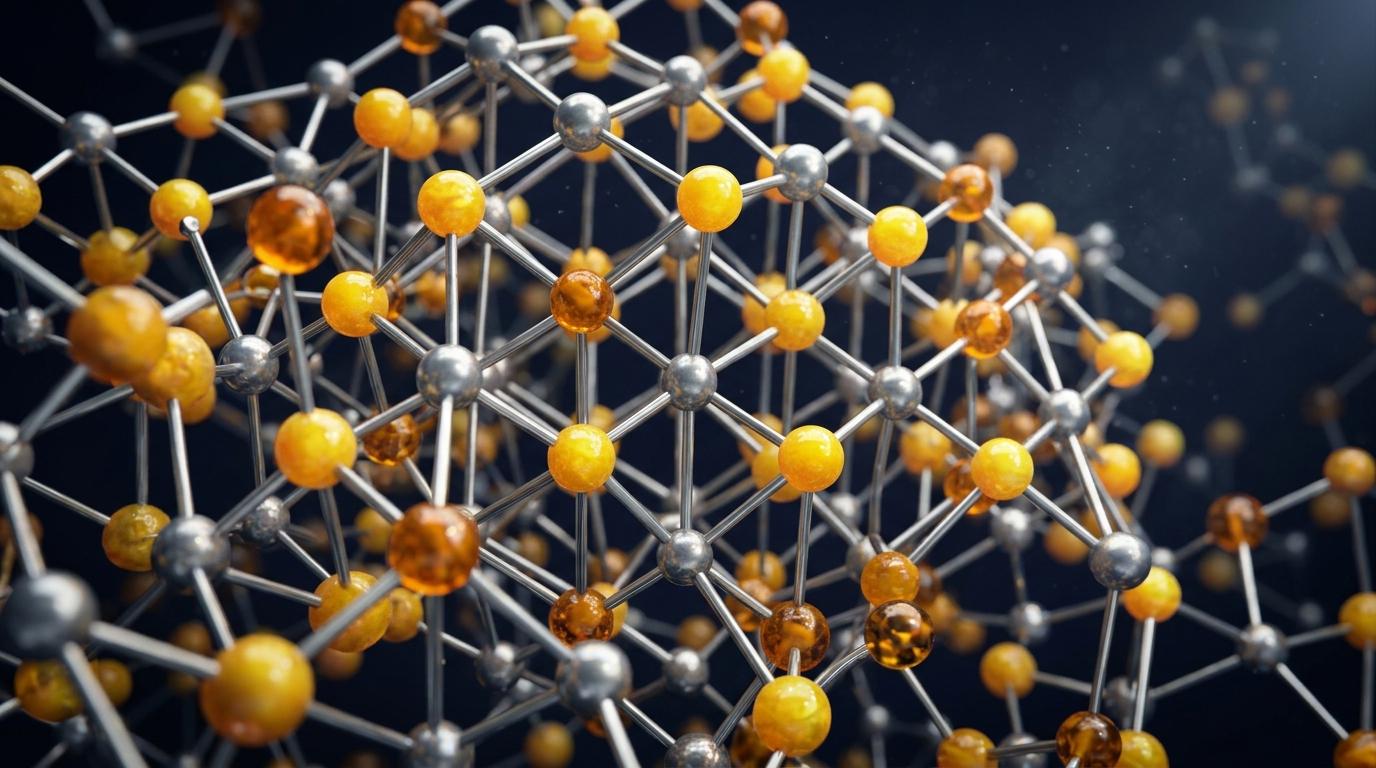
The chemical formula for aluminum sulfide is an important topic in chemistry because it explains how aluminum and sulfur combine to form an ionic compound. Aluminum sulfide is an inorganic chemical compound that contains aluminum and sulfur atoms bonded through ionic interactions. It is commonly studied in inorganic chemistry, chemical reactions, and material science because of its distinctive properties and reactions with water. Understanding its chemical formula helps students, researchers, and industrial professionals learn about its composition, structure, and behaviour. Aluminum sulfide is also known for reacting with moisture and producing hydrogen sulfide gas, which makes understanding its chemical properties and safe handling particularly important.
What Is the Chemical Formula for Aluminum Sulfide?
The chemical formula for aluminum sulfide is Al₂S₃. This formula indicates that the compound contains aluminum and sulfur in a fixed ratio of two aluminum atoms to three sulfur atoms. Aluminum generally forms positively charged ions with a charge of +3, while sulfur forms negatively charged sulfide ions with a charge of -2. These opposite electrical charges combine to create a neutral ionic compound. The chemical formula represents the simplest whole-number ratio of the ions rather than a separate molecule containing a fixed group of atoms. Understanding this formula makes it easier to study the compound's composition, chemical bonding, and reactions.
What Is Aluminum Sulfide?
Aluminum sulfide is an inorganic compound formed through the chemical combination of aluminum and sulfur. It is generally described as a solid material with a crystalline structure and is classified as an ionic compound. Its chemical formula, Al₂S₃, represents the balanced proportion of aluminum and sulfur within the compound. Aluminum sulfide is particularly interesting because it reacts readily with moisture and can release hydrogen sulfide gas. This reaction influences how the material must be stored, handled, and used. The compound is mainly discussed in inorganic chemistry and specialized industrial applications where its chemical behaviour and reactions are important considerations.
Chemical Composition of Aluminum Sulfide
The chemical composition of aluminum sulfide consists of aluminum and sulfur, which combine in a specific proportion to form a stable overall ionic composition. Aluminum belongs to the metal family and generally loses electrons to form positively charged ions. Sulfur is a non-metal that gains electrons to form negatively charged sulfide ions. Their opposite charges create an electrically neutral compound when combined in the appropriate ratio. The formula Al₂S₃ describes this relationship and helps chemists understand the material's elemental composition. Studying its composition also provides a useful example of how metals and non-metals combine to produce ionic compounds.
How Is Aluminum Sulfide Formed?
Aluminum sulfide forms when aluminum combines chemically with sulfur through a reaction that involves electron transfer. Aluminum atoms lose electrons and become positively charged aluminum ions, while sulfur atoms gain electrons and become negatively charged sulfide ions. The electrostatic attraction between these oppositely charged ions produces an ionic compound. This process demonstrates how metals and non-metals can combine to form electrically neutral substances. Aluminum sulfide can be prepared through a direct combination reaction under controlled laboratory conditions. The reaction requires suitable temperature and safety controls because the resulting compound reacts strongly with moisture and releases hazardous gas.
Chemical Reaction for Aluminum Sulfide Formation
The formation of aluminum sulfide can be represented by the balanced chemical equation: 2Al + 3S → Al₂S₃. This equation shows that aluminum reacts with sulfur to produce aluminum sulfide. The equation is balanced because the number of aluminum and sulfur atoms remains equal on both sides of the reaction. Aluminum acts as the electron donor, while sulfur accepts electrons during the chemical process. This reaction is an example of a synthesis reaction because two elements combine to produce a single compound. Understanding this balanced equation helps chemistry students learn chemical bonding, electron transfer, and the principles of chemical equation balancing.
Why Does Aluminum Sulfide Have the Formula Al₂S₃?
Aluminum sulfide has the formula Al₂S₃ because aluminum and sulfur form ions with different electrical charges. Aluminum commonly forms an ion with a positive three charge, while sulfur forms a sulfide ion with a negative two charge. A neutral compound must contain enough positive and negative charges to balance each other. Two aluminum ions provide a total positive charge of six, while three sulfide ions provide a total negative charge of six. These charges cancel each other, producing an electrically neutral compound. This charge-balancing principle explains why the correct chemical formula is Al₂S₃ rather than another combination.
Oxidation States in Aluminum Sulfide
Oxidation states help explain how electrons are transferred when aluminum and sulfur form aluminum sulfide. Aluminum has an oxidation state of positive three in this compound because it loses electrons during ionic bond formation. Sulfur has an oxidation state of negative two because it gains electrons. These oxidation states must balance to produce a neutral chemical compound. Studying oxidation states is useful for understanding ionic compounds, redox reactions, and chemical equations. Aluminum sulfide provides a straightforward example of how electron transfer occurs between a metal and a non-metal. This concept is also important when studying other metal sulfides and inorganic chemical substances.
Physical Properties of Aluminum Sulfide
Aluminum sulfide is generally encountered as a solid inorganic material with a crystalline structure. Its appearance and physical characteristics can depend on the preparation method, purity, and storage conditions. The compound has a relatively high formula mass compared with its individual constituent elements and is not commonly treated as an ordinary water-soluble salt. One of its most important characteristics is its sensitivity to moisture, which influences its storage and handling requirements. Aluminum sulfide is studied in chemistry because its composition, structure, and reactivity demonstrate important principles of inorganic materials. Its physical properties should always be considered alongside its chemical hazards.
Chemical Properties of Aluminum Sulfide
The chemical properties of aluminum sulfide are strongly influenced by its ionic composition and reaction with moisture. One of its most notable characteristics is its ability to undergo hydrolysis when exposed to water. This reaction produces aluminum hydroxide and hydrogen sulfide gas, which has a characteristic unpleasant odour and is hazardous to human health. Aluminum sulfide can also react with certain acidic substances, depending on the reaction conditions. Its moisture sensitivity makes it different from many other common inorganic compounds. Understanding these chemical properties is important for laboratory safety, chemical storage, material handling, and the study of inorganic reactions.
Reaction of Aluminum Sulfide With Water
Aluminum sulfide reacts with water through a process known as hydrolysis. During this reaction, the compound produces aluminum hydroxide and hydrogen sulfide gas. The balanced chemical equation is Al₂S₃ + 6H₂O → 2Al(OH)₃ + 3H₂S. This reaction is particularly important because hydrogen sulfide is a toxic gas that can cause serious health effects when inhaled. The reaction explains why aluminum sulfide must be protected from moisture during storage and handling. It should never be mixed casually with water or handled outside appropriate controlled facilities. Understanding this reaction is essential for students and professionals working with reactive inorganic chemicals.
Difference Between Aluminum Sulfide and Aluminum Sulfate
Aluminum sulfide and aluminum sulfate are different chemical compounds, even though their names contain the same metal and sulfur element. Aluminum sulfide has the formula Al₂S₃ and contains sulfide ions, while aluminum sulfate has the formula Al₂(SO₄)₃ and contains sulfate ions. Sulfate ions also contain oxygen, which makes the chemical composition and properties of the two substances different. Aluminum sulfate is commonly associated with water treatment and other industrial applications, whereas aluminum sulfide is known for its moisture sensitivity and release of hydrogen sulfide gas. Understanding this distinction prevents confusion when studying chemical formulas, purchasing materials, or working with industrial chemicals.
Uses and Applications of Aluminum Sulfide
Aluminum sulfide has specialized uses in chemical research and materials-related applications because of its composition and chemical behaviour. It is primarily encountered in scientific research, laboratory studies, and investigations involving inorganic compounds. Researchers may study its formation, reactions, and interactions with other chemical substances to understand material properties and chemical processes. Its moisture sensitivity limits its suitability for many ordinary industrial environments, so its applications require careful consideration of handling conditions. It should not be confused with aluminum sulfate, which has much more familiar commercial uses in water treatment and paper production. The actual application of aluminum sulfide depends on its purity, technical specifications, and intended research or industrial purpose.
Is Aluminum Sulfide Ionic or Covalent?
Aluminum sulfide is classified as an ionic compound because it forms through the transfer of electrons between aluminum and sulfur. Aluminum is a metal that loses electrons to form positively charged ions, while sulfur is a non-metal that gains electrons to form negatively charged sulfide ions. The electrical attraction between these oppositely charged ions holds the compound together. Although real chemical bonding can involve more complex electronic interactions than a simple ionic model suggests, aluminum sulfide is conventionally classified as ionic in introductory chemistry. This makes it a useful example when learning about ionic bonding, electron transfer, and chemical compound formation.
Safety Precautions When Handling Aluminum Sulfide
Aluminum sulfide requires careful handling because contact with moisture can release hydrogen sulfide, a toxic and potentially flammable gas. Chemical professionals should follow the relevant safety data sheet and use appropriate protective equipment, including suitable gloves, eye protection, and respiratory controls where required. The substance should be stored in a tightly sealed, moisture-resistant container under appropriate dry conditions. Work should take place in a properly equipped laboratory with suitable ventilation and emergency procedures. Untrained individuals should not experiment with this material or attempt to mix it with water. Safe storage, handling, and disposal are essential for reducing exposure risks.
Importance of Aluminum Sulfide in Chemistry
Aluminum sulfide is important in chemistry because it demonstrates several fundamental concepts, including ionic bonding, oxidation states, electron transfer, and chemical equation balancing. Its formation provides a useful example of how metals and non-metals combine to produce electrically neutral compounds. Its reaction with water also helps students understand hydrolysis and the formation of new chemical substances. Researchers can study its composition and behaviour to explore inorganic materials and chemical reactions. Learning about aluminum sulfide also helps students distinguish between sulfide and sulfate compounds. These concepts make it a valuable subject in inorganic chemistry, laboratory education, and materials science.
Frequently Asked Questions About Chemical Formula for Aluminum Sulfide
Understanding the chemical formula for aluminum sulfide can raise questions about its composition, bonding, properties, reactions, and practical applications. Students often want to know why the compound contains aluminum and sulfur in a particular ratio and how its chemical formula is determined. Other common questions concern its ionic nature, reaction with water, and differences from aluminum sulfate. The following frequently asked questions provide straightforward explanations of these topics. They are useful for students, chemistry learners, researchers, and anyone interested in understanding the basic scientific properties of aluminum sulfide and its importance in inorganic chemistry.
What Is the Chemical Formula for Aluminum Sulfide?
The chemical formula for aluminum sulfide is Al₂S₃. It represents a compound containing aluminum and sulfur in a fixed ratio of two aluminum atoms to three sulfur atoms. Aluminum forms positively charged ions, while sulfur forms negatively charged sulfide ions. Their electrical charges balance each other to create a neutral compound. This formula is important for understanding the compound's composition, chemical bonding, and reactions. It is also commonly used in chemistry textbooks, laboratory studies, and scientific discussions involving inorganic compounds. Remembering the correct formula helps avoid confusion with aluminum sulfate, which is a completely different chemical substance.
What Is the Name of Al₂S₃?
The chemical name of Al₂S₃ is aluminum sulfide, also called aluminium sulphide in British English. It is an inorganic compound made from aluminum and sulfur. The name identifies the metal and the sulfide anion present in its composition. Aluminum sulfide is also known as aluminum(III) sulfide because aluminum has a positive three oxidation state in the compound. This naming follows common inorganic chemistry conventions and helps distinguish the material from other sulfur-containing aluminum compounds. Understanding chemical naming is useful for identifying substances in textbooks, laboratory documentation, scientific research, and industrial chemical information.
Is Aluminum Sulfide Dangerous?
Yes, aluminum sulfide can be dangerous, particularly when it comes into contact with water or moisture. This reaction can release hydrogen sulfide gas, which is toxic and can create serious health risks. The material can also irritate the skin and eyes, while inhaling its dust may cause respiratory irritation. Appropriate protective equipment, controlled working conditions, and proper storage are essential when handling this substance. It should only be used by trained individuals who understand its hazards and follow suitable safety procedures. Always consult the relevant safety data sheet before working with aluminum sulfide or other moisture-reactive chemicals.
What Are the Elements Present in Aluminum Sulfide?
Aluminum sulfide contains two chemical elements: aluminum and sulfur. Aluminum is a metallic element that commonly forms positively charged ions, while sulfur is a non-metallic element that forms negatively charged sulfide ions. These elements combine through ionic interactions to produce an electrically neutral compound. Their combination is represented by the chemical formula Al₂S₃. Understanding the elements present in this compound helps students learn about the periodic table, chemical bonding, and the formation of inorganic substances. It also explains why aluminum sulfide behaves differently from compounds that contain oxygen, chlorine, or other non-metallic elements.
Does Aluminum Sulfide React With Water?
Yes, aluminum sulfide reacts with water through hydrolysis. This reaction produces aluminum hydroxide and hydrogen sulfide gas. Hydrogen sulfide is toxic, so this reaction creates an important safety concern when handling the material. Aluminum sulfide must therefore be protected from moisture and stored under appropriate conditions. Its reaction with water is frequently discussed in chemistry because it demonstrates how an ionic compound can react with another substance to produce different chemical products. Understanding this behaviour is particularly important for laboratory students and chemical professionals who work with moisture-sensitive inorganic materials.
Conclusion
The chemical formula for aluminum sulfide is Al₂S₃, representing a compound formed from aluminum and sulfur. Its composition demonstrates how positively charged aluminum ions and negatively charged sulfide ions combine to produce an electrically neutral ionic compound. Understanding its formula also helps explain its chemical bonding, oxidation states, formation, and reactions. One of its most important characteristics is its reaction with water, which produces aluminum hydroxide and toxic hydrogen sulfide gas. This makes proper storage and handling essential. Whether studied in educational chemistry, laboratory research, or materials science, aluminum sulfide provides a valuable example of inorganic chemical behaviour and compound formation.

 English
 Arabic
 French
 Spanish
 Portuguese
 Deutsch
 Turkish
 Dutch
 Russian
 Romaian
 Portuguese (Brazil)
 Greek