


Facial Ligaments and Thread Lift in Dubai Results
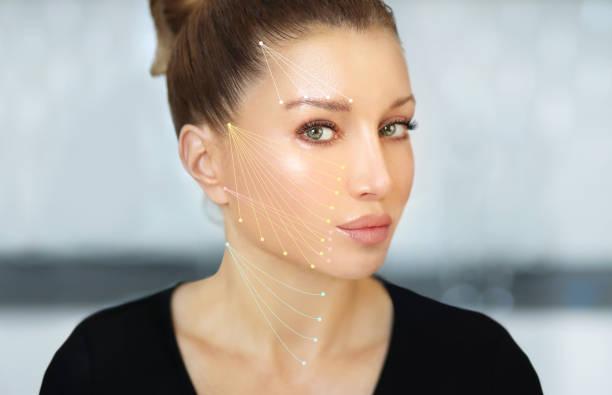
Facial ligaments are important supporting structures that help maintain the organisation of soft tissue across the face. During a Thread Lift in Dubai, understanding these structures helps a practitioner assess tissue movement, identify anatomical limitations, and plan an appropriate treatment approach. Although absorbable threads can provide temporary support to selected soft tissue, they do not replace the natural ligament system or reproduce the effects of surgical facial suspension.
As facial ageing progresses, changes in skin elasticity, fat compartments, and supporting structures can affect facial contours. These changes may contribute to early jowling, cheek descent, and less defined transitions between facial regions. A thread lift may be considered for selected patients, but its suitability depends on the relationship between the skin, soft tissue, and underlying anatomy.
What Are Facial Ligaments?
Facial ligaments are connective tissue structures that help anchor or support soft tissue in relation to deeper facial structures. They contribute to the organisation of facial compartments and help maintain the relationship between different tissue layers.
Their location and strength vary across the face. Some structures are commonly described as retaining ligaments because they help maintain tissue attachments at particular anatomical points.
How Facial Ligaments Support Soft Tissue
Facial ligaments contribute to the stability of the soft tissue framework. They help define boundaries between certain facial compartments and influence how tissue moves during expression and ageing.
These structures work together with skin, fat, fascia, and deeper supporting tissues. No single ligament determines the overall appearance of the face.
Retaining Ligaments and Facial Contours
Retaining ligaments are relevant to facial contour because they help maintain attachments between superficial tissues and deeper structures.
Changes in surrounding tissue volume, skin elasticity, and support can alter how these regions appear over time. However, visible ageing cannot be attributed to ligament changes alone.
A practitioner must assess the full anatomical picture before recommending a treatment.
Why Facial Ligaments Matter in a Thread Lift in Dubai
A thread lift is planned within selected soft tissue planes. The practitioner needs to understand the surrounding anatomy to determine where a thread may be placed and what degree of support is realistic.
Ligament locations and tissue attachments can influence the mobility of nearby soft tissue. They may also affect the direction in which tissue can be supported safely.
Understanding Natural Tissue Attachment Points
Some facial areas have firmer attachments, while others allow greater tissue movement. This variation influences how the practitioner assesses a treatment area.
The planned thread pathway must account for these differences. An approach that ignores natural tissue attachments may produce an uneven result or create unnecessary tension.
Why Thread Placement Cannot Replace Ligament Support
Absorbable threads provide temporary mechanical engagement within selected tissue. They do not reconstruct the natural ligament system or permanently restore every supporting structure.
The procedure should therefore be understood as a limited soft tissue support technique rather than a complete correction of facial ageing.
How Age-Related Changes Affect Facial Ligaments and Surrounding Tissue
Facial ageing involves several interacting processes. Changes in skin elasticity, fat distribution, bone structure, and connective tissue can influence how the face looks over time.
Changes in Skin Elasticity
Skin gradually loses some of its elasticity and ability to return to its previous shape. This can contribute to laxity and changes in facial contour.
A thread lift may provide temporary support in selected cases, but it does not reverse all age-related changes in the skin.
Changes in Facial Fat Compartments
Facial fat is distributed across different anatomical compartments. Some areas may lose volume, while others may become more prominent or descend.
These changes can influence the appearance of the cheeks, folds, and jawline. A thread lift may not address volume loss when that is the primary concern.
Changes in Underlying Facial Structure
Bone structure can also change with age. These changes may affect the support and proportions of surrounding soft tissue.
A thread lift does not alter the underlying facial skeleton. Treatment planning should account for structural factors that cannot be corrected through thread placement.
Facial Areas Where Ligament Anatomy Influences Treatment Planning
Different facial regions have distinct anatomical features. The practitioner must consider these differences before deciding whether temporary thread support is appropriate.
Midface and Cheek Region
The midface contains several soft tissue compartments and supporting structures. Their relationship influences cheek contour and the transition between the lower eyelid and cheek.
A practitioner assessing this area considers tissue position, volume, skin thickness, and natural facial proportions. A thread lift may be appropriate for selected cases involving mild tissue descent, but it cannot correct every form of midface ageing.
Lower Face and Jowl Formation
The lower face includes tissue structures that contribute to the jawline and the appearance of early jowls. Changes in skin elasticity and soft tissue position may reduce contour definition.
A practitioner evaluates the degree of laxity and the available tissue support before considering a lifting thread. More advanced laxity may require discussion of surgical options.
Nasolabial and Perioral Regions
The appearance of folds around the nose and mouth is influenced by several factors, including facial volume, tissue movement, skin quality, and structural support.
A thread lift may not be the most appropriate treatment when volume loss or another underlying concern is the main cause. A detailed assessment helps avoid selecting a procedure that does not address the actual concern.
How Thread Design Interacts With Facial Anatomy
Different thread designs have different mechanical functions. The practitioner must understand both the thread's structure and the anatomy of the treatment area.
COG Threads and Tissue Engagement
COG threads have small barbs designed to engage surrounding soft tissue. They may provide temporary mechanical support when placed appropriately.
The location of supporting structures and the mobility of nearby tissue influence the treatment pathway. Product-specific placement guidance must be followed.
Mono Threads and Collagen-Related Support
Mono threads are smooth and do not have barbs. They are generally used for subtle support and collagen-related applications rather than substantial tissue repositioning.
Their role should not be confused with the mechanical engagement associated with barbed lifting threads.
Can a Thread Lift Strengthen Facial Ligaments?
A thread lift should not be described as strengthening or rebuilding facial ligaments. The threads provide temporary support through their interaction with selected soft tissue.
The body may respond to absorbable thread material through a local healing process, and some products are associated with collagen-related changes. However, this does not mean the procedure restores natural ligament strength or reverses all age-related structural changes.
Patients should be cautious of claims suggesting that thread placement permanently repairs the facial support system.
Factors That Influence Treatment Suitability
A practitioner must evaluate whether the patient's anatomy and degree of tissue laxity are appropriate for a thread lift.
Relevant factors include:
-
Skin thickness and elasticity
-
Position and mobility of soft tissue
-
Facial volume distribution
-
Natural ligament and tissue attachments
-
Degree of lower-face or midface laxity
-
Previous facial procedures
-
Medical history and medication use
-
Realistic expectations about temporary improvement
Patients with substantial excess skin or advanced structural changes may need a different treatment approach.
Safety Considerations and Possible Complications
Thread lift procedures carry potential risks. Common temporary effects include bruising, swelling, tenderness, and discomfort around the insertion points.
Other possible complications include dimpling, contour irregularities, thread visibility, migration, extrusion, infection, and asymmetry. Injury to nearby nerves or blood vessels is also possible, depending on anatomy and technique.
A suitable practitioner should explain the risks, discuss aftercare, and provide guidance about symptoms that require medical review.
Clinic Note
Facial ligaments are part of a wider support system involving skin, fat, fascia, and deeper structures. Thread lifts provide temporary support to selected soft tissue; they do not rebuild the natural ligament system. Accurate anatomical assessment is essential when deciding whether the procedure is suitable.
Frequently Asked Questions
Do facial ligaments affect Thread Lift in Dubai results?
Yes. Ligament attachments and surrounding tissue structures influence facial mobility and treatment planning. They are among several anatomical factors that a practitioner considers.
Can a thread lift repair weakened facial ligaments?
No. A thread lift provides temporary mechanical support to selected soft tissue. It should not be described as reconstructing or permanently strengthening facial ligaments.
Do facial ligaments cause jowls?
Jowl formation is influenced by multiple age-related changes, including skin laxity, fat distribution, connective tissue support, and underlying facial structure. Ligaments are only one part of this complex process.
Is a thread lift suitable for advanced facial laxity?
Not always. Patients with significant excess skin or advanced tissue descent may require surgical assessment rather than a thread-based procedure.
Are all thread types placed in the same facial layer?
No. Placement requirements vary by thread design, product instructions, treatment area, and anatomy. The practitioner must select an appropriate approach for each case.
Discuss Facial Anatomy and Treatment Options at Tajmeels Clinic
Facial ligaments and surrounding tissue structures influence how the face maintains its contours. Understanding these relationships helps explain why thread lift planning must be individualised rather than based on a standard placement pattern.
At Tajmeels Clinic, patients can discuss facial ageing concerns and explore suitable treatment options through a personalised consultation. The assessment should consider anatomy, skin quality, tissue laxity, and realistic expectations before any procedure is recommended.

 English
 Arabic
 French
 Portuguese
 Deutsch
 Turkish
 Dutch
 Italiano
 Russian
 Romaian
 Portuguese (Brazil)
 Greek