


Can Surgical Scar Revision Improve the Appearance of Stretched Scars?
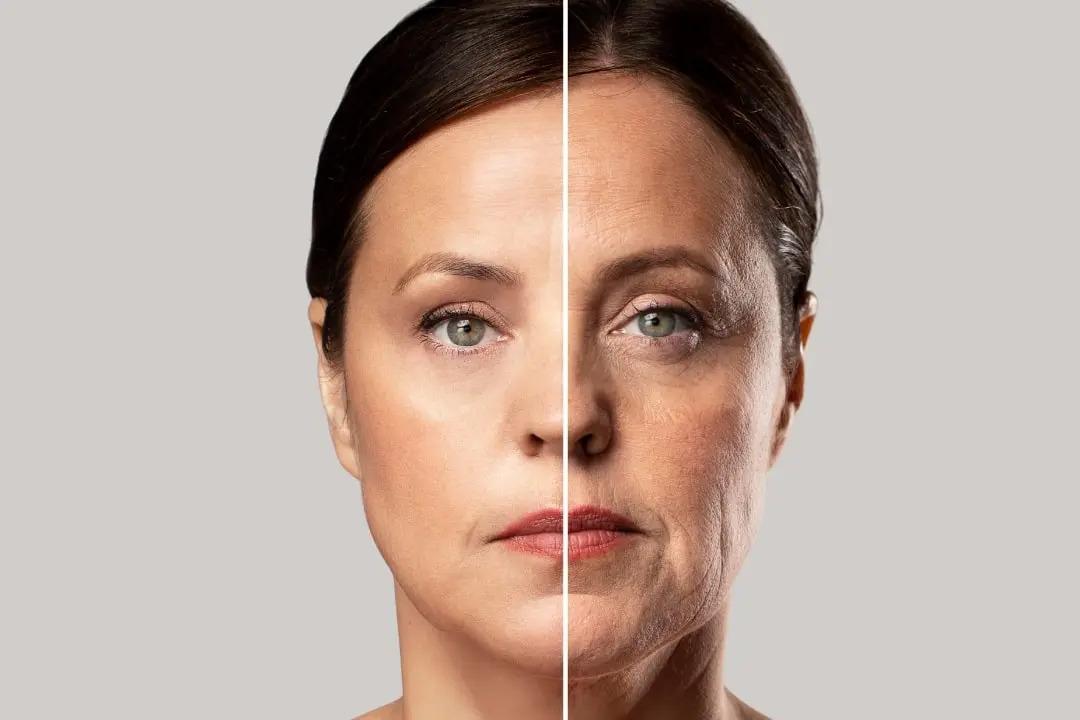
A surgical incision or accidental cut that initially heals as a thin, neat line can gradually widen over the following months into a broad, flat, shiny band of tissue. Known medically as a widened or stretched scar, this frustrating change occurs when continuous skin tension pulls the healing edges apart before deep collagen fibers reach full tensile strength. Many individuals frustrated by broad marks on their shoulders, knees, abdomen, or back explore Surgical Scar Revision in Islamabad to replace wide, noticeable tissue with a narrower, more discreet line. By excising the overstretched fibrous band and rebuilding support beneath the skin surface, reconstructive surgeons can dramatically improve how a widened scar blends with surrounding skinUnlike raised keloids or thick hypertrophic scars that grow upward above the skin level, stretched scars stay flat or slightly indented while expanding horizontally. Topical creams, silicone sheets, and surface lasers can soften redness or smooth mild texture, yet they cannot physically pull separated skin borders back together. Understanding why scars stretch in the first place—and how surgical techniques redistribute mechanical tension—helps you decide whether operative correction is the right step for your skin.
Why Do Certain Scars Widen and Stretch Over Time?
Skin is a dynamic, elastic organ constantly moving over joints, muscles, and curved body contours. When a deep wound closes, the body initially bridges the gap with immature type III collagen, which possesses only a fraction of normal skin strength during the first six to eight weeks.
-
High-Tension Anatomical Zones: Incisions located over mobile joints—such as the shoulders, upper back, chest, elbows, and knees—experience repetitive pulling forces every time you reach, bend, or twist.
-
Single-Layer Wound Closure: When an original emergency cut or surgery was closed using only top surface stitches without strong, deep dermal support sutures, the superficial skin bears all the mechanical strain and gradually drifts apart.
-
Premature Physical Strain: Returning too quickly to heavy weightlifting, stretching, or high-impact sports while collagen fibers are still remodeling can stretch a thin healing line into a wide ribbon.
-
Tissue Elasticity and Pregnancy: Rapid skin expansion from growth spurts, weight fluctuations, or pregnancy can widen previously stable surgical scars across the lower abdomen or breasts.
Precision Excision and Multi-Layered Closure
The surgeon carefully removes the entire widened, shiny scar strip down to healthy subcutaneous tissue, leaving fresh, well-vascularized skin edges. Instead of relying on top stitches to hold the wound together, the surgeon places deep, long-lasting absorbable sutures inside the thick dermal layer beneath the skin. These internal anchor sutures absorb the mechanical pulling force for months, allowing the outer epidermal edges to kiss together effortlessly with zero surface tension.
Geometric Scar Reorientation (W-Plasty and Z-Plasty)
Straight, uninterrupted lines naturally draw the human eye and act like rigid bands against flexible skin. For long stretched scars crossing natural skin creases, surgeons often break up the straight axis using tiny zig-zag incisions (W-plasty) or interlocking triangular skin flaps (Z-plasty). Changing the scar's direction aligns tiny segments with relaxed skin tension lines, scattering light reflection and relieving linear pull so the scar cannot stretch back out.
Subdermal Support and Tissue Mobilization
When a wide scar sits over a tight area where adjacent skin resists coming together, the surgeon gently undermines (releases) the surrounding skin edges just above the muscle fascia. Freeing this surrounding tissue allows healthy skin to glide smoothly across the gap without strain.
Key Benefits of Revising a Widened Scar
Patients who undergo surgical revision for stretched scars typically notice both cosmetic and physical improvements once healing completes:
-
Dramatic Reduction in Scar Width: Replaces broad, papery, or shiny scar bands up to several centimeters wide with a crisp, hairline incision.
-
Improved Color and Texture Match: Removes thin, discolored scar tissue that lacks normal hair follicles and sweat glands, bringing healthy, naturally pigmented skin borders together.
-
Elimination of Surface Indentation: Deep layered suturing restores natural dermal thickness, eliminating the shallow trough or "cigarette-paper" wrinkling common in widened scars.
-
Long-Term Structural Stability: Because deep dermal sutures support the wound throughout the critical collagen maturation window, the narrower contour holds permanently.
Who Is a Suitable Candidate for This Procedure?
Not every stretched scar requires immediate surgery, and proper timing plays a decisive role in achieving a clean result. You are generally an ideal candidate if:
-
Your Scar Is Fully Mature: At least 6 to 12 months have passed since the original injury or surgery, and the scar is no longer bright red, itchy, or actively changing.
-
You Are a Non-Smoker: Nicotine constricts tiny blood vessels essential for wound healing. Candidates must avoid smoking, vaping, and nicotine patches for at least three to four weeks before and after surgery.
-
You Can Commit to Activity Modifications: Because stretched scars often occur on the arms, shoulders, back, or legs, you must be willing to restrict heavy lifting or intense stretching around the treated area during early recovery.
-
You Hold Realistic Expectations: Revision replaces a wide, obvious scar with a much thinner, flatter line—it significantly camouflages the mark rather than making skin look untouched.
Procedure Details: What Happens on the Day of Surgery
Most stretched scar revisions are straightforward outpatient procedures performed under local anesthesia (with optional mild sedation for larger or multiple scars), typically lasting 30 to 90 minutes depending on scar length.After cleansing and numbing the area completely, your surgeon marks the exact excision borders and skin tension lines while you are in a natural resting posture. The old scar tissue is excised with fine surgical instruments, bleeding is meticulously controlled, and deep dermal sutures are placed to draw the healthy edges together without tension. Finally, ultra-fine surface sutures or skin adhesives align the top layer, and sterile reinforcement strips (Steri-Strips) are applied to shield the fresh closure. You return home the same day with clear written care instructions.
Potential Risks and Practical Limitations
While Surgical Scar Revision in Islamabad is considered safe and predictable when performed by a qualified specialist, patients should weigh standard surgical risks and anatomical limits:
-
Partial Re-Widening in High-Motion Areas: Scars located directly over the shoulder blade, sternum, or knee cap face constant biomechanical stress; even with layered sutures, slight widening can occur if post-operative movement restrictions are ignored.
-
Temporary Redness or Firmness: Every new surgical incision goes through an inflammatory phase, looking pink and feeling slightly firm for several months before softening and fading.
-
Infection, Bleeding, or Fluid Collection: Uncommon when sterile surgical protocols and clean home wound care are followed.
-
Pigment Shifts: Direct sun exposure on a newly revised scar can trigger dark hyperpigmentation, particularly in medium to deeper skin tones.
Recovery Timeline and Essential Aftercare
Protecting a newly revised scar from mechanical pull is the single most important factor in preventing it from stretching again.
-
Days 1 to 7 (Initial Protection): Keep the dressing dry and intact for the first 24 to 48 hours. Mild soreness or tightness is easily managed with prescribed over-the-counter pain relief. Avoid any reaching, bending, or lifting that pulls on the surgical site.
-
Weeks 1 to 2 (Suture Removal): Surface stitches—if non-absorbable—are typically removed between days 5 and 14 depending on body location. Your surgeon will usually replace them with fresh paper reinforcement tapes to keep supporting the skin edges.
-
Weeks 3 to 6 (Gradual Return to Exercise): Light daily walking is encouraged immediately, while gym workouts, swimming, and targeted muscle stretching are reintroduced gradually once cleared by your surgeon.
-
Months 2 to 12 (Scar Maturation & Care): Apply medical-grade silicone gel or silicone sheets daily to hydrate the healing epidermis and regulate collagen remodeling. Apply broad-spectrum SPF 50+ sunscreen every morning whenever the area is exposed to daylight so the maturing line fades evenly.
Frequently Asked Questions (FAQs)
1. Can laser treatment alone shrink a stretched scar without surgery?
No. Fractional lasers improve surface color, roughness, and mild texture, but they cannot remove wide scar tissue or pull separated skin borders closer together. Physical excision and layered suturing are required to narrow a stretched scar.
2. How thin will my scar be after surgical revision?
When closed under low tension and protected properly during healing, a revised scar typically matures into a flat, pale hairline mark roughly one to two millimeters wide—far less noticeable than the original stretched band.
3. Is surgical scar revision painful?
The procedure itself is virtually painless thanks to local anesthesia. Afterward, patients usually experience only mild tenderness or a sensation of skin tightness for two to three days.
4. What stops the new scar from stretching out again?
Surgeons prevent recurrent widening by placing strong, slow-absorbing sutures deep inside the dermis to carry the tension, reorienting straight lines along natural skin creases when needed, and advising temporary rest from strenuous stretching.
5. When will I see the final appearance of my revised scar?
You will notice the dramatic reduction in width immediately once dressings come off, while final color fading and tissue softening continue steadily over 9 to 12 months.
Conclusion
Stretched scars do not have to remain a permanent cosmetic distraction. Because widened scars result from mechanical tension separating healing skin edges, targeted surgical excision paired with deep, tension-relieving layered closure offers a reliable way to replace broad, noticeable bands with a clean, discreet line. By waiting until your scar has fully matured, partnering with an experienced reconstructive surgeon, and protecting the healing incision from early strain and sun exposure, you can achieve smoother, more natural-looking skin that restores your comfort and confidence.

 English
 Arabic
 French
 Spanish
 Portuguese
 Deutsch
 Turkish
 Dutch
 Italiano
 Russian
 Portuguese (Brazil)
 Greek