


STD Test in Dubai: Urine, Swab and Blood Samples
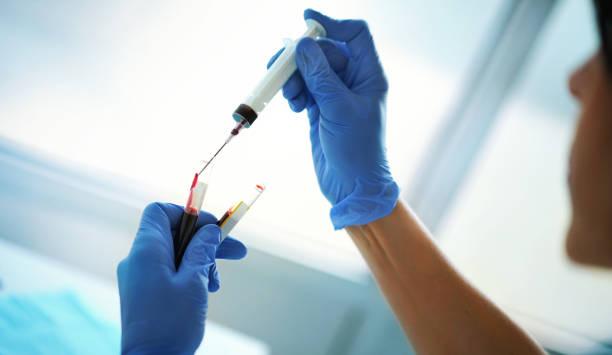
An STD Test in Dubai may require more than one type of sample because different infections affect different parts of the body and require different laboratory methods. First-catch urine, site-specific swabs and blood samples each provide distinct diagnostic information. When selected appropriately, they help clinicians investigate a wider range of sexually transmitted infections.
Understanding the purpose of each sample can make the testing process easier to follow. It also explains why a urine test alone may not be sufficient and why some infections require blood-based screening or swabs from specific anatomical sites.
Why an STD Test in Dubai May Require Multiple Sample Types
There is no universal specimen that detects every STI. Some organisms are identified through genetic material in urine or swab samples, while others require blood testing for antigens or antibodies.
The sample choice depends on:
-
The infection being investigated.
-
The anatomical site potentially exposed.
-
Whether symptoms are present.
-
The diagnostic method used by the laboratory.
-
The time elapsed since possible exposure.
-
Any preparation instructions for sample collection.
A clinician should select the appropriate combination rather than relying on the number of samples alone.
First-Catch Urine: Investigating Selected Genital Infections
First-catch urine refers to the initial portion of the urine stream collected for certain diagnostic tests. It differs from a routine midstream urine sample commonly used in other urinary investigations.
For selected STI molecular tests, the initial urine portion may contain cells and material from the urethral area that are relevant to detecting organisms such as chlamydia and gonorrhoea.
How First-Catch Urine Is Collected
The patient receives a suitable collection container and instructions from the healthcare team. The required amount and any preparation guidance depend on the specific laboratory test.
Patients should follow the provider's instructions rather than assuming that every urine test uses the same collection method.
What Can First-Catch Urine Detect?
Depending on the validated assay, first-catch urine may be used for NAAT testing for:
-
Chlamydia trachomatis.
-
Neisseria gonorrhoeae.
-
Other selected organisms when included in a validated test.
A negative urine result does not exclude infection at an untested site, such as the throat or rectum.
Swab Samples: Testing the Relevant Anatomical Site
Swabs allow clinicians to collect material directly from a particular body site. They are useful when an infection may be located somewhere that urine testing does not adequately assess.
Genital Swabs
Depending on the patient's anatomy and clinical circumstances, a vaginal, cervical or urethral swab may be used for selected molecular or culture-based tests.
The appropriate collection method depends on the suspected infection and the laboratory assay.
Throat Swabs
A throat swab may be recommended after oral sexual exposure or when a clinician suspects a pharyngeal infection.
Gonorrhoea can affect the throat without producing noticeable symptoms. A urine test may not identify an infection located only at this site.
Rectal Swabs
A rectal swab may be appropriate following relevant exposure or when rectal symptoms require investigation. It can help identify selected infections that would not necessarily appear in a genital urine sample.
Swabs From Visible Lesions
When sores, blisters or ulcers are present, a clinician may collect a sample directly from the affected area. For suspected genital herpes, lesion swabbing with an appropriate molecular test can be particularly useful.
Serum and Blood Samples: Detecting Different Infection Markers
Blood testing provides information that urine and swabs cannot always supply.
Serum is the liquid component obtained after blood has clotted and the sample has been processed. Some laboratory tests use serum to detect antibodies or antigens associated with infection.
HIV Screening
Laboratory fourth-generation HIV tests commonly detect HIV-1/2 antibodies and the p24 antigen. The test method and timing after exposure influence how results should be interpreted.
Syphilis Testing
Syphilis screening commonly involves blood tests that detect antibodies associated with infection. A clinician may request a combination of non-treponemal and treponemal tests to interpret the result.
Hepatitis Screening
Blood tests can investigate hepatitis B and hepatitis C markers. The exact markers depend on the clinical question, such as whether the aim is to identify current infection, previous exposure or immunity.
How the Three Sample Types Complement Each Other
Each specimen provides a different part of the diagnostic picture.
| Sample | Main purpose | Examples of relevant tests |
|---|---|---|
| First-catch urine | Investigates selected genital or urethral infections | Chlamydia and gonorrhoea NAAT |
| Swab | Tests a specific anatomical site | Throat, rectal, vaginal, cervical or lesion testing |
| Blood or serum | Detects selected antigens, antibodies or other blood markers | HIV, syphilis and hepatitis screening |
A combined testing plan may be useful when a person has several potential exposure sites or needs screening for infections that require different diagnostic methods.
Why the Correct Sample Site Matters
A test can only provide useful information about the specimen collected and the targets included in the assay.
For example, a person may have a negative urine test for chlamydia and gonorrhoea but still require a throat or rectal swab if those sites were exposed.
This is why a consultation should include relevant questions about the type of sexual contact. Patients can discuss these details privately with the healthcare professional to support accurate sample selection.
Preparing for Different Samples
Preparation instructions vary by test. Patients should follow the clinic and laboratory guidance provided before collection.
Before Urine Collection
Some molecular urine tests require first-catch urine and may ask patients not to urinate for a specified period before collection. This requirement varies by assay.
Before Swab Collection
The clinician may explain the collection procedure and whether any preparation is needed. Some swabs are collected by a healthcare professional, while others may be self-collected under appropriate instructions.
Before Blood Collection
Most routine STI blood tests do not require fasting. However, if additional tests are being performed at the same appointment, the clinic may provide separate preparation instructions.
What Happens After the Samples Reach the Laboratory?
Each sample is processed according to the relevant diagnostic method. Molecular testing may identify genetic material, while blood tests may measure specific antigens or antibodies. Culture methods, when indicated, attempt to grow viable organisms.
Result times vary according to the test and laboratory workflow. Results should be interpreted by a healthcare professional, particularly when testing has occurred soon after potential exposure.
Common Mistakes to Avoid During Sample Collection
Small collection errors can affect the usefulness of a specimen. Patients should avoid:
-
Using a midstream sample when first-catch urine is specifically requested.
-
Collecting urine in an unsuitable container.
-
Ignoring instructions about the time since last urination.
-
Assuming a urine test covers throat or rectal exposure.
-
Missing a scheduled repeat test after an early negative result.
-
Taking antibiotics without medical advice before assessment.
If a collection instruction is unclear, ask the healthcare team before providing the sample.
Clinic Note: First-catch urine, swabs and blood samples are not competing options. They answer different diagnostic questions. An appropriate screening plan uses the specimen that matches the infection and anatomical site being investigated.
Frequently Asked Questions
Is first-catch urine the same as a midstream urine sample?
No. First-catch urine is the initial portion of the urine stream and is used for selected STI molecular tests. Midstream urine is commonly collected for other urinary investigations.
Can blood tests detect chlamydia and gonorrhoea?
Routine blood tests are not the standard method for diagnosing these common bacterial STIs. Molecular testing using urine or appropriate swabs is generally used.
Why might I need a throat swab if my urine test is negative?
A urine test may not detect an infection located in the throat. A site-specific swab may be needed after relevant oral exposure.
Does a comprehensive STD test always require all three sample types?
Not always. The required specimens depend on the infections included and the patient's individual screening needs.
Do I need to fast before STI blood testing?
Fasting is generally unnecessary for routine STI blood tests, although instructions may differ if other investigations are included in the appointment.
Can a swab be collected without symptoms?
Yes. A clinician may recommend site-specific screening even when no symptoms are present, depending on exposure and risk factors.
A Sample-Based Approach to Accurate Screening
Urine, swab and blood specimens each have an important role in sexual health diagnostics. Selecting the right combination helps clinicians investigate relevant infections without assuming that one sample can answer every question.
For an STD Test in Dubai, Tajmeels Clinic encourages patients to discuss their exposure history, symptoms and screening goals with a qualified healthcare professional. This helps determine which samples may be appropriate and whether additional or repeat testing is needed.

 English
 Arabic
 French
 Spanish
 Portuguese
 Deutsch
 Turkish
 Dutch
 Italiano
 Russian
 Portuguese (Brazil)
 Greek