


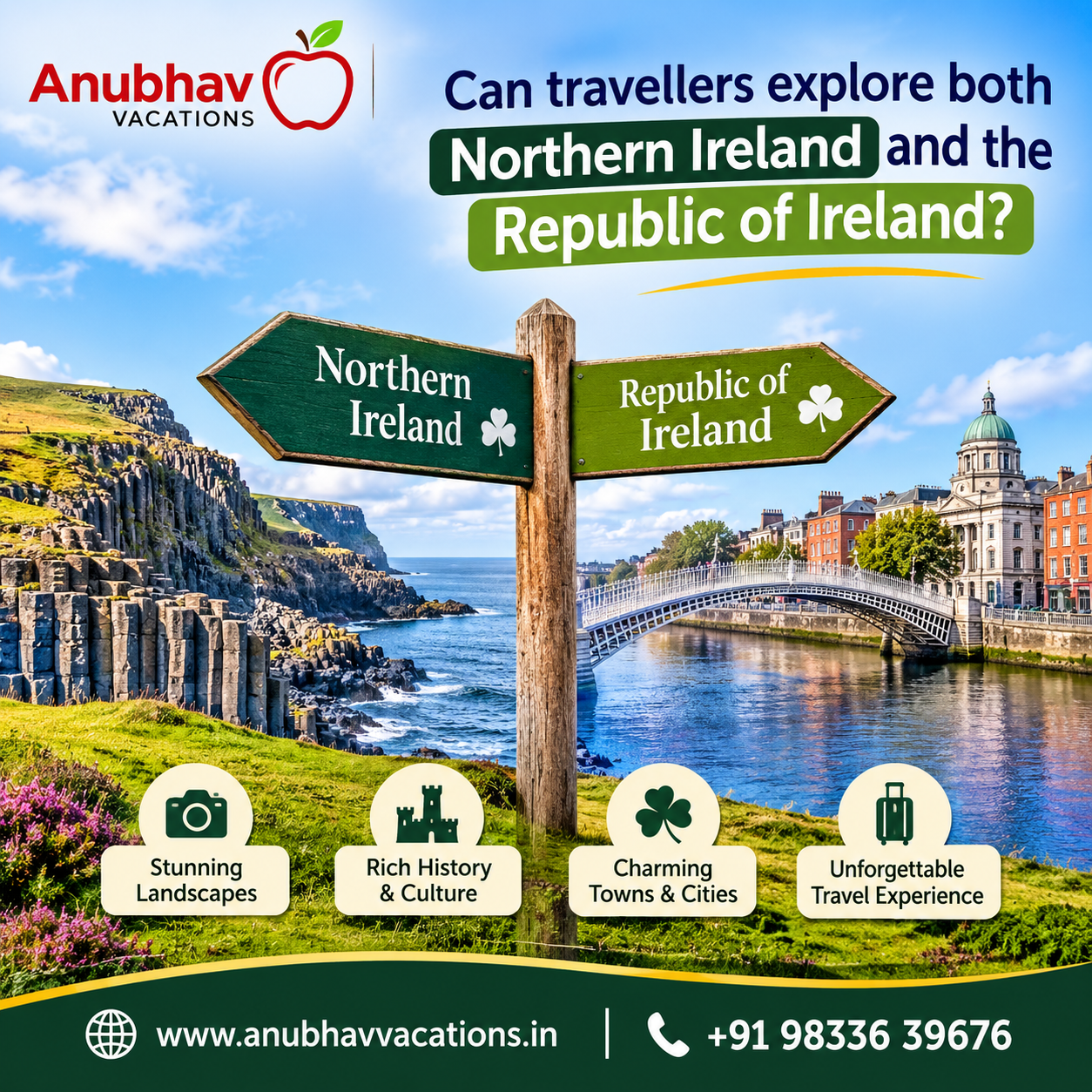
Can Travellers Explore Both Northern Ireland and the Republic of Ireland?
Introduction
Ireland is a fascinating destination known for its breathtaking landscapes, historic castles, charming villages, dramatic coastlines, and rich cultural traditions. From the lively streets of Dublin to the scenic beauty of the Giant’s Causeway, the island offers countless experiences for international travellers. One interesting aspect of planning an Irish holiday is that the island is divided into two different political regions: Northern Ireland and the Republic of Ireland. Although they share the same island, both destinations have their own identities, attractions, and travel experiences.
The good news is that travellers can explore both regions during a single holiday. Visiting Northern Ireland and the Republic of Ireland together allows visitors to discover different landscapes, historical landmarks, cultural experiences, and local traditions without limiting their journey to one region. With carefully planned Ireland Group Tours, travellers can enjoy a convenient itinerary covering popular cities, picturesque countryside, famous attractions, and memorable coastal destinations. Understanding the differences between these two regions can help visitors prepare for a comfortable and enjoyable international holiday.
Understanding Northern Ireland and the Republic of Ireland
Before planning an itinerary, travellers should understand that Northern Ireland and the Republic of Ireland are two separate political jurisdictions located on the same island.
The Republic of Ireland is an independent country and is a member of the European Union. Its capital city is Dublin, which is famous for its literary heritage, historical architecture, lively neighbourhoods, and welcoming atmosphere.
Northern Ireland is part of the United Kingdom, and its capital is Belfast. The region is known for its industrial history, beautiful coastline, medieval landmarks, and connections to popular television and film locations.
Although the two regions share geographical boundaries and many cultural connections, they have different currencies and immigration arrangements. The Republic of Ireland uses the euro, while Northern Ireland uses the British pound sterling.
For international visitors, understanding these differences is important when arranging accommodation, transportation, travel documents, and other holiday requirements.
Can Travellers Visit Both Regions During One Holiday?
Yes, travellers can visit both Northern Ireland and the Republic of Ireland during one holiday. There is no requirement to book two separate vacations simply because the island contains two political jurisdictions.
Many visitors choose to combine both regions because their attractions complement each other. Travellers can begin their journey in Dublin, explore the country's cultural and historical attractions, and continue towards Northern Ireland to experience Belfast, coastal scenery, and famous landmarks.
The journey between the two regions is relatively straightforward. Visitors can travel by road, private vehicle, coach, or train, depending on their itinerary and preferred transportation arrangements.
However, travellers should understand that immigration permission for one jurisdiction does not automatically provide permission to enter the other. Visa requirements depend on nationality, passport, existing permissions, and applicable travel arrangements.
A well-organised itinerary helps visitors understand these requirements before departure and enjoy their holiday without unnecessary complications.
Exploring Dublin in the Republic of Ireland
Dublin is an excellent starting point for discovering the Republic of Ireland. The capital combines historic attractions, cultural institutions, traditional neighbourhoods, and modern entertainment.
Travellers can spend time exploring the city's most recognised landmarks while learning about Irish history and traditions.
Some popular attractions include:
1. Trinity College Dublin
Trinity College is one of the most recognised educational institutions in Ireland. Visitors can explore its historic campus and discover the famous Book of Kells exhibition, which showcases an illuminated manuscript dating back to the medieval period.
2. Dublin Castle
Dublin Castle is an important historical landmark that reflects different periods of Irish history. Its architecture, gardens, and historical rooms make it an interesting destination for visitors.
3. St. Patrick's Cathedral
This magnificent cathedral is one of Dublin's most significant religious and architectural attractions. Visitors can appreciate its impressive interior, stained-glass windows, and historical connections.
4. Temple Bar
Temple Bar is a popular cultural neighbourhood known for its traditional pubs, colourful streets, restaurants, and entertainment. It provides an opportunity to experience Dublin's lively atmosphere.
5. Phoenix Park
Travellers who enjoy outdoor experiences can visit Phoenix Park, one of Europe's largest enclosed city parks. It offers open green spaces, walking opportunities, and beautiful surroundings.
Exploring Dublin provides a wonderful introduction to the Republic of Ireland before continuing towards other destinations.
Discovering the Beauty of Belfast in Northern Ireland
Belfast offers a different experience from Dublin. Known for its maritime history, cultural attractions, and architectural heritage, the city is an important destination for travellers exploring Northern Ireland.
The city combines historic neighbourhoods with contemporary attractions, making it suitable for different types of visitors.
Some notable places include:
1. Titanic Belfast
Titanic Belfast is one of the city's most famous attractions. The museum tells the story of the Titanic, from its construction in Belfast to its tragic journey across the Atlantic Ocean.
Visitors can discover interactive exhibitions and learn about the city's shipbuilding heritage.
2. Belfast City Hall
Located in the heart of the city, Belfast City Hall is recognised for its impressive architecture and historical significance. Its surroundings also provide an excellent starting point for exploring central Belfast.
3. Cathedral Quarter
The Cathedral Quarter is a lively cultural area featuring restaurants, galleries, street art, and entertainment venues. It is an enjoyable place to experience Belfast's contemporary atmosphere.
4. Crumlin Road Gaol
This former prison offers visitors an opportunity to understand an important part of Belfast's social and political history through guided tours and historical exhibitions.
5. Botanic Gardens
Visitors looking for peaceful surroundings can explore Belfast's Botanic Gardens. The gardens feature beautiful landscapes and the well-known Palm House.
A visit to Belfast adds historical depth and cultural variety to an Ireland holiday.
Experience the Famous Giant's Causeway
The Giant's Causeway is one of the most extraordinary natural attractions in Northern Ireland. Located along the Antrim coast, this UNESCO World Heritage Site is famous for its approximately 40,000 interlocking basalt columns.
The unusual formations were created by ancient volcanic activity, resulting in a remarkable coastal landscape.
Visitors can walk along the coastline, admire the unusual rock formations, and enjoy spectacular views of the Atlantic Ocean.
The destination is also connected to traditional Irish legends about the giant Finn McCool. These stories add an interesting cultural dimension to the natural attraction.
Travellers visiting the Giant's Causeway can also explore nearby coastal locations, scenic viewpoints, and charming villages.
Including this destination in an itinerary allows visitors to experience a different side of Ireland beyond its major cities.
Explore the Scenic Beauty of the Ring of Kerry
The Ring of Kerry is one of the most popular scenic routes in the Republic of Ireland. Located in County Kerry, this circular route takes visitors through beautiful countryside, coastal landscapes, mountains, lakes, and traditional villages.
The route offers several opportunities for photography, sightseeing, and enjoying Ireland's natural surroundings.
Some highlights include:
-
Killarney National Park: Known for its lakes, forests, mountains, and scenic walking routes.
-
Ladies View: A famous viewpoint offering beautiful views of the surrounding landscape.
-
Muckross House: A historic mansion surrounded by attractive gardens and natural scenery.
-
Waterville: A picturesque coastal village popular for its peaceful atmosphere.
-
Sneem: A charming village featuring colourful buildings and traditional Irish character.
Travellers who enjoy scenic road journeys can find this region particularly rewarding. It also provides a refreshing contrast to the urban attractions of Dublin and Belfast.
Visit the Historic Cliffs of Moher
The Cliffs of Moher are among the most recognised natural landmarks in the Republic of Ireland. Located along the Atlantic coastline in County Clare, these dramatic cliffs offer breathtaking views of the ocean.
The cliffs rise significantly above the Atlantic, creating an impressive landscape that attracts visitors throughout the year.
Travellers can explore designated walking areas, visit the visitor centre, and learn about the region's natural environment.
On clear days, visitors may enjoy spectacular coastal views and observe seabirds in their natural habitat.
The Cliffs of Moher are an excellent addition to an itinerary for travellers interested in nature, photography, and scenic destinations.
Visitors should also prepare for changing coastal weather conditions and follow designated safety guidelines while exploring the area.
Discover Irish Culture and Traditional Experiences
One of the biggest advantages of exploring both regions is the opportunity to experience different aspects of Irish culture.
Although Northern Ireland and the Republic of Ireland share many cultural traditions, each region offers its own local experiences.
Travellers can enjoy traditional Irish music performances, explore historic neighbourhoods, visit local markets, and discover regional food traditions.
Traditional music sessions are particularly popular in many Irish towns and cities. Visitors may hear instruments such as fiddles, bodhráns, flutes, and guitars during local performances.
Food is another important part of the travel experience. Visitors can discover traditional dishes, local bakeries, fresh seafood, and regional specialities.
Some experiences worth including are:
-
Enjoying traditional Irish music in a local venue.
-
Exploring historic pubs and cultural neighbourhoods.
-
Visiting local craft markets and independent shops.
-
Discovering Irish literature and storytelling traditions.
-
Trying traditional Irish breakfast and regional dishes.
-
Exploring castles and historical heritage sites.
These experiences help travellers understand the island beyond its famous tourist attractions.
How Many Days Are Required to Explore Both Regions?
The number of days required depends on the number of attractions travellers want to visit and the pace of their holiday.
A journey covering both regions can be planned in approximately seven to ten days, although a longer holiday allows more opportunities for sightseeing and relaxation.
Here is an example of how travellers can organise their itinerary.
Day 1: Arrival in Dublin
Arrive in Dublin, complete the arrival formalities, check into the hotel, and spend the remaining time exploring nearby attractions.
Day 2: Discover Dublin
Visit Trinity College, Dublin Castle, St. Patrick's Cathedral, and other popular city attractions.
Day 3: Explore the Irish Countryside
Travel towards the scenic countryside and discover destinations such as Killarney or other selected locations, depending on the route.
Day 4: Experience the Ring of Kerry
Enjoy scenic viewpoints, picturesque villages, and beautiful natural surroundings.
Day 5: Travel Towards Northern Ireland
Continue towards Belfast and explore the city after arrival, depending on the available sightseeing time.
Day 6: Discover Belfast
Visit Titanic Belfast, Belfast City Hall, Cathedral Quarter, and other significant attractions.
Day 7: Explore the Giant's Causeway
Enjoy a scenic excursion along the Antrim Coast and discover the famous basalt formations.
Day 8: Departure
Depending on the flight schedule, travellers can enjoy some free time before transferring to the airport.
This is a sample itinerary rather than a fixed schedule. Travellers interested in visiting the Cliffs of Moher, additional castles, or other destinations may need more days.
Travel Documents and Visa Requirements for Both Regions
Travel documentation is one of the most important considerations when visiting both Northern Ireland and the Republic of Ireland.
Since the Republic of Ireland and Northern Ireland belong to different immigration jurisdictions, travellers should check the entry requirements for each region before confirming their travel arrangements.
The Republic of Ireland follows its own visa policy, while Northern Ireland follows the United Kingdom's immigration rules.
Indian passport holders should pay particular attention to these requirements.
Before departure, travellers should:
-
Check whether they require an Irish entry visa.
-
Check whether they require a UK visa or Electronic Travel Authorisation, where applicable.
-
Understand whether any available visa exemption or scheme applies to their nationality and circumstances.
-
Confirm the validity of their passport.
-
Review the entry conditions associated with their visas.
-
Carry confirmed accommodation and return or onward travel details where required.
The British-Irish Visa Scheme applies to certain eligible nationalities and visa categories, but it should not be assumed that every visitor can use it.
Similarly, holding a valid visa for one region does not automatically guarantee entry into the other.
Travellers should consult the official Irish and UK government immigration websites for the latest requirements before travelling.
Transportation Between Northern Ireland and the Republic of Ireland
Travelling between the two regions is generally convenient because they share a land border.
Visitors can select transportation according to their itinerary, available time, and personal preferences.
Road Travel
Travelling by road is a popular way to explore different destinations. Private vehicles and organised coaches allow visitors to enjoy scenic routes while travelling between major cities and attractions.
Train Services
Rail services connect selected destinations in both regions. The train journey between Dublin and Belfast is a popular option for travellers who want to move between the two capitals.
Organised Coach Tours
Coach travel is useful for visitors who prefer structured sightseeing. It can simplify transportation between attractions and reduce the need to organise individual journeys.
Private Transfers
Private transportation may be suitable for families, senior travellers, and small groups looking for a more flexible travel experience.
When travelling between the regions, remember that Northern Ireland uses miles and miles per hour on road signs, while the Republic of Ireland uses kilometres and kilometres per hour.
Understanding these small differences can make road travel more comfortable.
Why Choose Organised Group Travel for an Ireland Holiday?
Exploring two regions during one holiday involves several planning considerations, including transportation, accommodation, sightseeing schedules, and travel documentation.
Organised group travel can make these arrangements easier, particularly for visitors travelling internationally for the first time.
Ireland Group Tours provide an opportunity to explore popular attractions while following a planned itinerary.
Here are some advantages of choosing an organised holiday:
1. Convenient Travel Planning
A structured itinerary helps travellers understand their daily schedule and the destinations included in their journey. It also reduces the effort involved in planning every sightseeing activity independently.
2. Comfortable Transportation Arrangements
Group travel can include planned transportation between cities and tourist attractions. This makes longer journeys easier to manage.
3. Opportunity to Meet Other Travellers
Group holidays allow visitors to meet people with similar travel interests. Sharing sightseeing experiences can make the journey more enjoyable.
4. Better Organised Sightseeing
A planned schedule helps visitors cover important attractions without spending too much time deciding where to go next.
5. Assistance Throughout the Journey
Depending on the selected itinerary and services, travellers may receive support with transfers, accommodation arrangements, sightseeing coordination, and other travel requirements.
For visitors interested in experiencing both Northern Ireland and the Republic of Ireland, a well-planned group holiday can provide a convenient way to discover the island.
Important Things to Consider Before Planning Your Journey
Although exploring both regions is possible, travellers should consider a few important factors before finalising their holiday.
Check Immigration Requirements: Review the entry requirements for both jurisdictions before booking flights and accommodation.
Choose Suitable Travel Dates: Weather conditions vary throughout the year. Spring and summer generally offer longer daylight hours, while autumn and winter provide different seasonal experiences.
Plan Enough Travel Time: Avoid including too many destinations in a short itinerary. Allow sufficient time for transportation, sightseeing, and relaxation.
Understand Currency Differences: The Republic of Ireland uses euros, whereas Northern Ireland uses pounds sterling. Travellers should plan their payment arrangements accordingly.
Prepare for Changing Weather: Rain and changing temperatures are common in Ireland. Carry suitable clothing, comfortable walking shoes, and weather protection.
Review Accommodation Locations: Selecting convenient accommodation can make sightseeing and transportation arrangements easier.
Check Travel Insurance: Appropriate travel insurance can provide support for eligible unexpected situations during an international holiday.
Taking care of these details before departure helps create a smoother travel experience.
Is Visiting Both Northern Ireland and the Republic of Ireland Worth It?
Absolutely! Exploring both regions provides a more complete understanding of Ireland's landscapes, heritage, culture, and history.
The Republic of Ireland offers lively cities, beautiful countryside, historic castles, and famous coastal attractions. Northern Ireland adds fascinating maritime history, dramatic landscapes, cultural neighbourhoods, and the remarkable Giant's Causeway.
Rather than choosing one region and missing the other, travellers can combine both destinations in a single well-organised holiday.
From exploring Dublin's historic streets to discovering Belfast's maritime heritage, every destination offers something different. Visitors can enjoy scenic drives, traditional music, picturesque villages, and memorable sightseeing experiences throughout their journey.
For families, couples, senior citizens, and groups of friends, exploring both regions can create a diverse and rewarding holiday experience.
Conclusion
Travellers can certainly explore both Northern Ireland and the Republic of Ireland during a single holiday. Although these regions belong to different political jurisdictions, their geographical proximity makes it possible to combine their most popular attractions in one itinerary.
From Dublin's historical landmarks and the scenic Ring of Kerry to Belfast's cultural attractions and the spectacular Giant's Causeway, the island offers a wonderful combination of natural beauty, history, architecture, and traditional experiences.
The key is to plan the journey carefully, understand the different visa requirements, select convenient transportation, and allow enough time to enjoy each destination. A thoughtfully arranged itinerary can help travellers experience the highlights of both regions without making the journey unnecessarily rushed.
Choosing well-organised Ireland Group Tour Packages can further simplify the holiday by bringing sightseeing, transportation, and travel arrangements together. With the right planning, travellers can enjoy a memorable Irish adventure that covers the cultural richness and scenic beauty of the entire island.
Frequently Asked Questions (FAQs)
1. Can Indian travellers visit Northern Ireland and the Republic of Ireland on the same holiday?
Yes, Indian travellers can visit both regions during the same holiday, provided they meet the respective immigration requirements. Exploring both destinations through well-planned Tour Packages for Ireland can make the journey more convenient and help visitors experience major attractions across the island.
2. Is a separate visa required for Northern Ireland and the Republic of Ireland?
Visa requirements depend on the traveller's nationality and immigration permissions. Since Northern Ireland follows UK immigration rules and the Republic of Ireland has its own visa system, visitors should check whether they need separate permissions or qualify for an applicable visa scheme.
3. How many days are enough to explore both regions of Ireland?
Approximately seven to ten days can provide a good introduction to both regions. However, travellers interested in visiting additional countryside destinations, castles, coastal attractions, and historic towns may benefit from a longer itinerary.
4. What are the most popular attractions to visit in Northern Ireland?
Some popular attractions include the Giant's Causeway, Titanic Belfast, Belfast City Hall, Cathedral Quarter, and the Antrim Coast. These destinations offer a combination of natural beauty, cultural experiences, and historical significance.
5. What is the best time to explore Northern Ireland and the Republic of Ireland?
May to September is generally a popular period because of longer daylight hours and relatively favourable sightseeing conditions. However, Ireland can experience changing weather throughout the year, so travellers should prepare appropriate clothing regardless of their travel season.

 English
 Arabic
 French
 Portuguese
 Deutsch
 Turkish
 Dutch
 Italiano
 Russian
 Romaian
 Portuguese (Brazil)
 Greek