


Lower Blepharoplasty in London: How to Reduce Under-Eye Bags
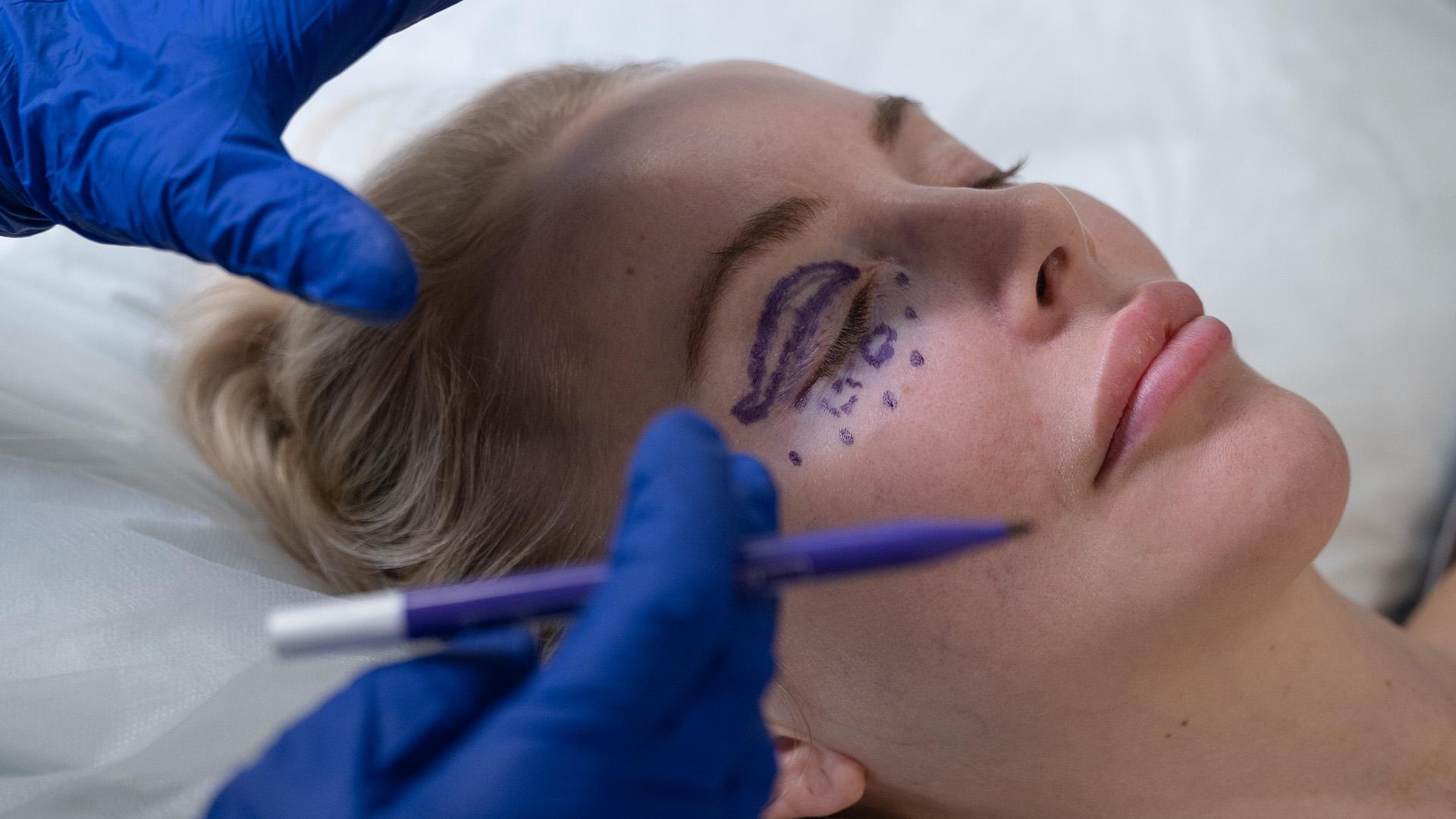
Under-eye bags can make the face look tired, even when a person feels well-rested. They may develop because of ageing, genetics, changes in skin elasticity, or the movement of fat beneath the eyes. For some people, skincare products and lifestyle changes may help improve the appearance of the under-eye area. However, when the bags are caused by prominent fat deposits or loose skin, surgery may be worth considering.
Lower Blepharoplasty in London is a surgical procedure designed to improve the appearance of the lower eyelids by addressing excess fat, loose skin, or a combination of both. It can help create a smoother transition between the lower eyelids and cheeks.
At Bodyvie Clinic, patients can explore their concerns and discuss suitable treatment options during a professional consultation. Understanding the causes of under-eye bags, the available treatments, and the recovery process can help patients make an informed decision.
What Causes Under-Eye Bags?
Under-eye bags can develop for several reasons. Understanding the cause is important because not every type of puffiness requires surgery.
Ageing and Loss of Skin Elasticity
As people get older, the skin gradually loses collagen and elasticity. The muscles and supporting tissues around the eyes may also become weaker. This can allow the skin to become loose and create a puffy appearance beneath the eyes.
Age-related changes can also make existing fat deposits more noticeable.
Genetics and Family History
Some people naturally have fuller under-eye areas because of their genetics. Under-eye bags may appear at a younger age and remain noticeable even with a healthy lifestyle.
If several family members have similar features, genetics may be an important factor.
Fat Protrusion Beneath the Eyes
The lower eyelids contain natural fat that helps cushion and protect the eyes. With age or changes in supporting tissues, this fat can become more prominent.
This may create rounded areas or visible bags beneath the eyes. Lower eyelid surgery can address these fat deposits when a suitable candidate is identified.
Lifestyle and Fluid Retention
Lack of sleep, high salt intake, allergies, dehydration, and fluid retention can make the under-eye area appear swollen. These factors may cause temporary puffiness rather than permanent fat-related bags.
Lifestyle adjustments may help improve this type of swelling, although they cannot remove prominent fat deposits.
How Lower Blepharoplasty in London Helps Reduce Under-Eye Bags
Lower eyelid surgery is designed to improve the appearance of the area beneath the eyes. The exact technique depends on the patient's skin condition, fat distribution, and facial structure.
Removing or Repositioning Excess Fat
One approach involves removing a carefully assessed amount of excess fat beneath the lower eyelids. This can reduce the appearance of prominent bags.
In other cases, the surgeon may reposition the fat rather than remove it. Fat repositioning can help create a smoother transition between the lower eyelids and cheeks.
The most suitable approach depends on the patient's anatomy and treatment goals.
Addressing Loose Skin
When excess skin contributes to under-eye bags, the surgeon may remove a small amount of loose skin. This can help improve the appearance of the lower eyelids.
Skin removal must be carefully planned because removing too much skin can affect eyelid position and function.
Creating a Smoother Under-Eye Appearance
The aim of lower blepharoplasty is to improve the balance of the lower eyelid area. It may reduce prominent bags and create a smoother appearance.
However, surgery does not stop the natural ageing process. Results vary between patients, and the procedure cannot remove every line, wrinkle, or dark circle.
Who Is a Suitable Candidate for Lower Blepharoplasty?
Not everyone with under-eye bags needs surgery. A consultation is necessary to understand the cause of the concern and decide whether lower blepharoplasty is appropriate.
Suitable candidates may include people who:
- Have noticeable under-eye bags caused by protruding fat.
- Have loose skin beneath the eyes.
- Are generally healthy enough for surgery.
- Have realistic expectations about the results.
- Understand the recovery process and possible risks.
- Want a longer-lasting improvement than non-surgical options may provide.
Patients with medical conditions affecting healing, eye health, or blood clotting may need additional assessment. People experiencing temporary puffiness due to allergies or fluid retention may benefit from treating the underlying cause first.
At Bodyvie Clinic, patients can discuss their concerns and ask whether surgery or another treatment may be more suitable.
Understanding the Lower Blepharoplasty Procedure
Knowing what happens during surgery can help patients feel more prepared.
Initial Consultation and Assessment
The process begins with a consultation. The surgeon examines the lower eyelids, skin quality, fat distribution, and overall facial structure.
Patients should discuss their medical history, medications, previous eye procedures, and expectations. The surgeon can explain the available techniques and whether fat removal, fat repositioning, skin removal, or a combination may be appropriate.
Preparing for Surgery
Before surgery, patients receive instructions about preparation. These may include guidance on medication, smoking, eating, drinking, and arranging transport home.
Patients should follow all instructions provided by their surgical team. They should also disclose any supplements or medicines they take because some can affect bleeding or healing.
During the Procedure
Lower blepharoplasty is usually performed using an incision either just below the lower eyelashes or inside the lower eyelid.
An incision beneath the eyelashes may be used when skin needs to be addressed. An incision inside the eyelid, known as a transconjunctival approach, may be suitable for patients who mainly need fat treatment and do not have significant excess skin.
The surgeon works according to the agreed surgical plan. The procedure and anaesthesia arrangements vary depending on the individual case.
Lower Blepharoplasty Cost in London: What Affects the Price?
The Lower Blepharoplasty cost in London can vary depending on the complexity of the procedure and the patient's individual needs. There is no single price that applies to everyone.
Several factors may influence the overall cost.
Surgical Technique
The price may depend on whether the procedure involves fat removal, fat repositioning, skin removal, or a combination of techniques. More complex treatment plans may require additional surgical work.
Surgeon's Experience
The surgeon's qualifications, specialist experience, and professional background can influence the fee. Patients should prioritise appropriate medical training and safety rather than choosing a procedure based on price alone.
Anaesthesia and Facility Fees
The overall cost may include the surgical facility, anaesthesia, medical team, and other clinical services. These should be explained before treatment.
Aftercare and Follow-Up Appointments
Post-operative reviews and aftercare arrangements are important parts of the treatment journey. Patients should ask whether these are included in the quoted price.
At Bodyvie Clinic, patients can discuss the factors involved in their treatment plan and request clear information about the expected costs before making a decision.
Choosing the Best Lower Blepharoplasty in London
Choosing the right surgeon is one of the most important steps when considering lower eyelid surgery. The eye area is delicate, so treatment requires careful assessment and surgical planning.
When researching the Best Lower Blepharoplasty in London, consider the following points.
Check Qualifications and Surgical Experience
Look for a suitably qualified surgeon with relevant experience in eyelid surgery. Ask about their specialist training and experience with lower blepharoplasty.
Review Before-and-After Photographs
Before-and-after photographs can help you understand the surgeon's approach and the type of results they may achieve. Look for examples involving patients with similar concerns.
Remember that individual results can differ.
Discuss the Risks and Limitations
A responsible consultation should include a clear explanation of potential risks, recovery expectations, and realistic outcomes. Patients should have enough time to ask questions before deciding.
Understand the Treatment Plan
Ask whether the proposed procedure involves fat removal, fat repositioning, skin removal, or another approach. Understanding the plan helps you know what the surgery is intended to improve.
Recovery After Lower Blepharoplasty
Recovery is an important part of lower eyelid surgery. Healing time varies depending on the technique, the patient's health, and individual response to surgery.
The First Few Days
Swelling, bruising, mild discomfort, and watery eyes may occur during the early recovery period. Patients should rest and follow the surgeon's instructions carefully.
Cold compresses may be recommended, but they should only be used as directed. Avoid rubbing or putting pressure on the eyes.
The First Two Weeks
Bruising and swelling generally begin to improve over the following days. Some patients may feel comfortable returning to light activities within one or two weeks, depending on their recovery and the surgeon's advice.
Avoid strenuous exercise, heavy lifting, and activities that could put pressure on the healing area until you receive medical approval.
Longer-Term Healing
Although many visible signs of recovery improve within a few weeks, complete healing can take longer. Scars may continue to settle, and the final appearance may take several months to become clear.
Attend all recommended follow-up appointments so the surgical team can monitor your progress.
Non-Surgical Ways to Reduce Under-Eye Bags
Surgery is not always necessary. If under-eye puffiness is related to lifestyle or fluid retention, some simple changes may help.
Improve Sleep Habits
Getting enough sleep may help reduce tired-looking eyes. Maintaining a regular sleep routine can support general health and may improve temporary puffiness.
Reduce Excess Salt
Eating too much salt can contribute to fluid retention. A balanced diet with moderate salt intake may help reduce temporary swelling.
Manage Allergies
Allergies can cause irritation and puffiness around the eyes. Managing allergy symptoms with appropriate medical advice may improve the appearance of the under-eye area.
Use Suitable Skincare Products
Some eye creams contain ingredients such as caffeine or moisturising agents that may temporarily improve the appearance of puffiness or dryness.
However, skincare products cannot remove protruding fat or significant loose skin.
Possible Risks and Complications of Lower Blepharoplasty
Lower blepharoplasty is a surgical procedure and carries risks. Patients should understand these before deciding to proceed.
Possible complications include:
- Bruising and swelling.
- Infection or bleeding.
- Dry or irritated eyes.
- Temporary or persistent changes in sensation.
- Visible scarring.
- Difficulty closing the eyes.
- Lower eyelid pulling down or turning outward.
- Asymmetry or an unsatisfactory cosmetic result.
- Changes in vision, including rare serious complications.
The risk profile depends on the surgical technique and the patient's individual health. Choosing an appropriately qualified surgeon and following aftercare instructions can help support safer treatment, but cannot eliminate all risks.
Seek urgent medical attention if you experience sudden vision changes, severe eye pain, significant bleeding, or rapidly increasing swelling.
How Bodyvie Clinic Can Help Patients Explore Lower Eyelid Treatment
Choosing lower eyelid surgery requires careful consideration. Patients should understand the cause of their under-eye bags, the available surgical approaches, and the expected recovery process before making a decision.
Bodyvie Clinic can be part of the consultation journey for patients exploring lower eyelid treatment in London. During a consultation, patients can discuss their concerns, ask about suitable treatment options, and learn about the factors that influence recovery and cost.
It is important to confirm the operating surgeon's qualifications, the surgical facility, and the arrangements for aftercare. A personalised assessment helps determine whether surgery is appropriate and what results may realistically be expected.
Frequently Asked Questions About Lower Blepharoplasty
Does lower blepharoplasty permanently remove under-eye bags?
The procedure can provide long-lasting improvement by addressing excess fat or skin. However, natural ageing continues, and changes may develop over time. Results vary between patients.
Is lower blepharoplasty painful?
Patients may experience discomfort, tightness, swelling, or bruising after surgery. The procedure is performed with appropriate anaesthesia, and post-operative discomfort can usually be managed with medical guidance.
How long does recovery take?
Many patients see significant improvement in visible bruising and swelling within a few weeks. Complete healing and the final appearance can take several months.
Can lower blepharoplasty remove dark circles?
The procedure mainly addresses bags, excess fat, and loose skin. It does not directly treat every cause of dark circles, such as pigmentation, visible blood vessels, or naturally thin skin.
Is lower blepharoplasty suitable for younger patients?
Some younger people have genetically prominent under-eye bags. Age alone does not determine suitability. A medical assessment is needed to understand the cause and discuss appropriate options.
Conclusion
Under-eye bags can develop because of ageing, genetics, loose skin, or prominent fat beneath the lower eyelids. While lifestyle changes and skincare may help with temporary puffiness, they cannot correct every cause of under-eye bags.
Lower Blepharoplasty in London may be an option for suitable patients who want to address excess fat or loose skin beneath the eyes. Understanding the Lower Blepharoplasty cost in London, choosing an experienced surgeon, and learning about the recovery process are all important steps before treatment.
If you are researching the Best Lower Blepharoplasty in London, take time to compare qualifications, discuss your expectations, and understand the possible risks. Bodyvie Clinic can be included in your consultation journey as you explore lower eyelid treatment options and decide on the next steps.

 English
 Arabic
 French
 Spanish
 Portuguese
 Deutsch
 Turkish
 Dutch
 Italiano
 Russian
 Portuguese (Brazil)
 Greek