


Hair Transplant in Dubai: Recovery, Growth Timelines and Honest Expectations
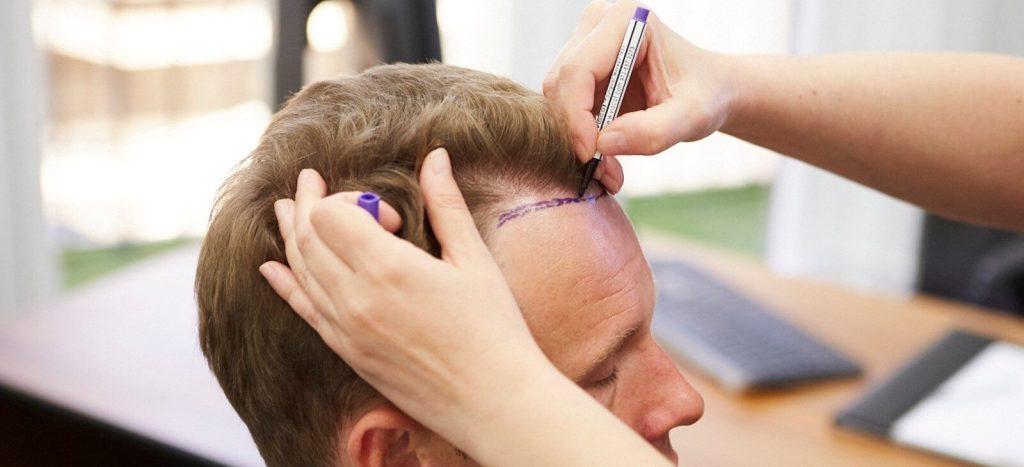
Most of the information available about hair transplants focuses on the day of the procedure. Yet the day itself is only the beginning. What follows is a year of waiting: tenderness, crusting, shedding, slow regrowth, and months in which the mirror seems to show very little change. Hair Transplant in Dubai is best understood as a long process, not a single event, and readers who know the timeline in advance are far less likely to worry unnecessarily along the way.
This guide follows that timeline from the first week to the first year. It explains what recovery involves, when growth appears, what can go wrong, and how to set expectations that match what the procedure can realistically deliver.
The First Two Weeks
The first days after a transplant are the most delicate. The scalp is usually tender, and small crusts form around the grafts. Sleeping with the head slightly raised, avoiding touching or scratching the grafts, and following the washing instructions given by the treating team are the main tasks in this period. Most people return to light daily activity within a few days, although strenuous exercise, swimming and direct sun exposure are usually avoided for a period advised by the treating team.
Redness and swelling are common in the first week, and some swelling may appear around the forehead and eyes before it settles. The donor area also needs care: after FUE, the tiny marks left by harvesting heal over a week or two, while after FUT, the donor area is closed with stitches and needs the same careful attention. Any severe or worsening pain, spreading redness, or discharge should be reported to the clinic promptly, rather than waited out.
By the end of the second week, the crusts have usually fallen away and the scalp looks calmer. Many people return to office work within a week, depending on how they feel and on the nature of their job. Jobs involving heavy physical work, dust or heat may need a longer break, and the surgeon should give advice based on the individual case.
Shedding and the Waiting Months
Between the second week and the third month, most transplanted hairs shed. This is the stage that worries people most, because the scalp can look much as it did before the procedure, or even thinner for a while. The shedding is a normal part of the process and is not a sign that the transplant has failed. The follicles themselves remain in place beneath the skin, and new hairs grow from them in time.
New growth typically becomes visible after three to four months, as fine hairs begin to appear in the treated area. These hairs are often thin and pale at first, and they thicken and darken gradually over the following months. Fuller coverage usually develops over nine to twelve months, and the final density depends on the number of grafts placed, the quality of the donor hair, the size of the area treated, and the natural characteristics of the hair, such as thickness, colour and curl.
During this waiting period, follow-up appointments matter. Clinics such as Enfield Royal Clinic Dubai describe treatment planning as personalised according to individual patient needs, and a good provider will stay in touch through the growth period, when progress can feel slow and reassurance matters. Patients should ask what aftercare is included, how many follow-up appointments are scheduled, and who to contact if they have concerns.
What the Procedure Can and Cannot Do
A transplant relocates hair follicles from an area where hair still grows strongly, usually the back and sides of the scalp, to an area where it has thinned or stopped growing. The follicles in the donor area are generally resistant to the pattern of loss affecting the front and crown, and once moved they usually keep growing in their new position. The procedure does not create new hair; it redistributes the hair a person already has, so the donor supply sets a firm limit on what can be achieved.
A transplant is not a cure for genetic hair loss. It moves existing follicles; it does not stop the underlying process that caused the original thinning. Hair that was not transplanted can continue to thin over time, which is why a good plan takes future loss into account and why some patients later consider a second session. Anyone who is told that a single procedure will permanently solve progressive hair loss should treat that claim with caution.
Density is another area where expectations need care. A transplant can improve coverage a great deal, but it rarely reproduces the density of a full head of natural hair, because the number of grafts that can be placed safely in one session is limited. The surgeon should explain what density is realistic for the area being treated, and whether the hairline or the crown should take priority when the donor supply cannot cover both fully. Patients who understand this trade-off before the procedure are far less likely to be disappointed afterwards.
Results take months to appear, and no surgeon can guarantee a particular density or a full head of hair. An assessment is essential before any decision is made, because a transplant only works where there are active, healthy follicles to move. People with very advanced loss, a weak donor area, or certain scalp conditions may be advised that a transplant is not the right step for them. A clinic that says no when the case is unsuitable is showing honesty, not weakness.
Planning Around Work and Daily Life
A transplant needs planning around ordinary life, not just around the surgery itself. The first week calls for rest and gentle care, and the first month calls for patience with the shedding phase. People who work in public-facing roles may want to plan time off or a change of hairstyle for the first two weeks, when redness and crusting are most visible. Hats should be worn only as the treating team advises, because pressure or friction on fresh grafts can disturb them.
Exercise needs a gradual return. Light walking is usually possible within a few days, but strenuous exercise, heavy lifting and swimming are usually avoided for a period advised by the treating team. Direct sun exposure on the scalp should also be avoided in the early weeks, and the team should explain when normal routines can resume. Following these instructions is part of protecting the result, not a formality, and patients who rush back to normal activity risk disturbing grafts that are still settling.
The long timeline also needs planning. A transplant carried out shortly before an important event, such as a wedding or a holiday, may not show its result in time, because visible growth takes months. Anyone planning around a date should discuss the timeline honestly at consultation and set the procedure date accordingly, rather than hoping for faster growth.
Frequently Asked Questions
When will my hair start growing after a transplant?
New growth typically becomes visible after three to four months, with fuller coverage developing over nine to twelve months. The transplanted hairs usually shed within the first few weeks, which is normal. The hairs that grow afterwards are often fine and pale at first, and they thicken and darken gradually. The final density depends on the number of grafts placed and the quality of the donor hair.
Is the shedding phase normal?
Yes. Shedding of the transplanted hairs within the first few weeks is expected and is not a sign that the transplant has failed. The follicles remain in place beneath the skin, and new hairs grow from them in the following months. The scalp may look much as it did before the procedure during this phase, which is why understanding the timeline in advance matters so much.
How long should I take off work?
Most people return to light daily activity within a few days, and many return to office work within a week, depending on how they feel and on the nature of their job. Jobs involving heavy physical work, dust or heat may need a longer break. The surgeon should give advice based on the individual case, and patients should follow it rather than rushing back.
Will there be scarring in the donor area?
Both harvesting methods leave some mark in the donor area. After FUE, the marks are tiny dots that are usually easy to conceal, especially with hair of a normal length. After FUT, the donor area is closed with stitches and leaves a linear mark, which is usually hidden by hair worn at a reasonable length. The surgeon should explain what scarring to expect from the method recommended for the individual case.
Can I have a second transplant later?
Yes, in many cases. Some patients consider a second session if their hair loss progresses, or if they want greater density in an area already treated. Whether a second session is possible depends on how much donor hair remains after the first procedure, which is why careful donor management from the start matters so much. The surgeon should discuss this at the first consultation.
Conclusion
A hair transplant is a year-long journey, not a single day, and the readers who are happiest with their results are usually the ones who understood the timeline before they began. The first weeks need gentle care, the shedding phase needs patience, and the months of growth need realistic expectations about density and coverage. No procedure can create new hair, cure genetic loss, or guarantee a particular result, and the honest assessment at consultation is where the decision should be made.
For readers who have weighed the timeline in this guide and want to go further, learning more about hair transplant treatment — the recovery, the growth stages, and what a thorough consultation should cover — is a sensible next step before discussing your own case in person.

 English
 Arabic
 French
 Spanish
 Portuguese
 Deutsch
 Turkish
 Dutch
 Italiano
 Russian
 Portuguese (Brazil)
 Greek