


What Are the Most Common Reasons for Choosing Cheek Augmentation?
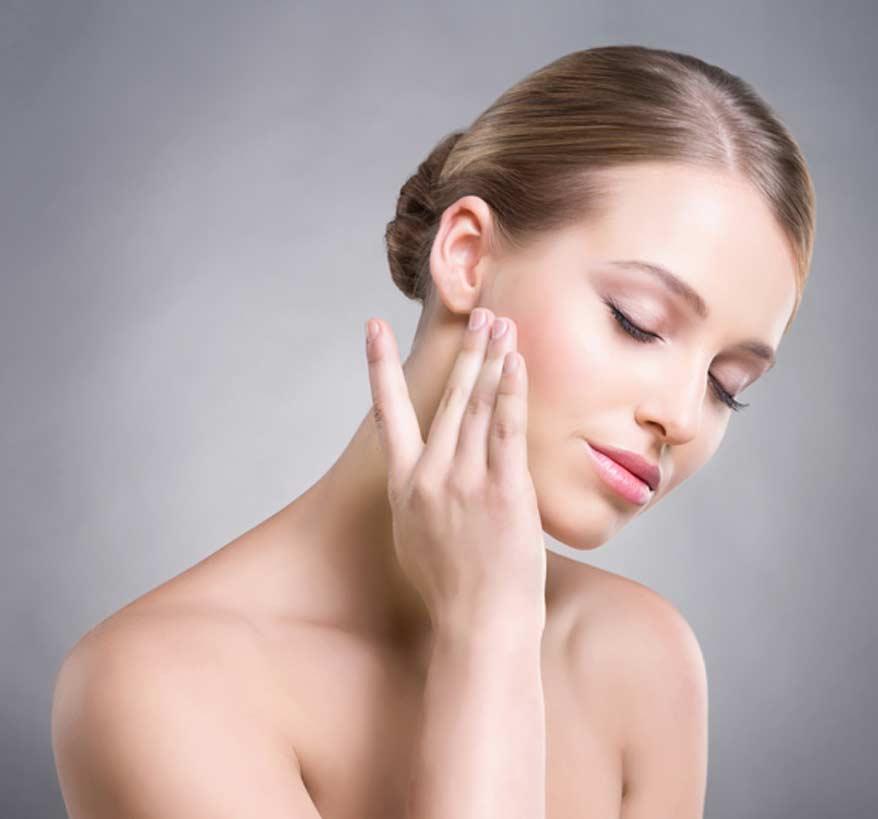
Cheek augmentation is an increasingly popular aesthetic treatment for people who want to improve facial definition, restore lost volume, or achieve more balanced facial proportions. Many individuals consider this procedure because the cheeks play an important role in the overall appearance and structure of the face. Patients exploring تكبير الخدين في دبي can learn about different enhancement options and determine which approach may suit their facial features. Whether someone wants fuller cheeks, more prominent cheekbones, or a refreshed appearance, personalized treatment planning helps support natural-looking results.
Enhancing Naturally Flat or Underdeveloped Cheeks:
One of the most common reasons people choose cheek augmentation is to improve naturally flat or underdeveloped cheeks.
Some individuals have less prominent cheekbones or limited volume in the midface due to their natural facial structure. This can make the face appear less defined or flatter from certain angles.
Cheek augmentation can help enhance the cheek area by adding volume or improving cheekbone projection. Specialists evaluate facial anatomy to determine whether fillers or surgical enhancement may be appropriate.
The objective is to create better facial definition without adding excessive volume.
Restoring Facial Volume Lost Through Aging:
As people age, natural changes in facial fat distribution, skin elasticity, and underlying tissues can affect cheek appearance.
The midface may gradually lose volume, making the cheeks appear flatter or less lifted. These changes can also contribute to deeper-looking folds around the nose and mouth.
Cheek augmentation may help restore some of the lost volume and improve facial fullness.
Depending on the patient's condition and treatment goals, specialists may recommend dermal fillers or surgical options. The appropriate approach depends on individual anatomy and medical suitability.
Improving Cheekbone Definition:
Some people choose cheek augmentation because they want more noticeable cheekbone definition.
Well-defined cheekbones can contribute to facial structure and create a more sculpted appearance. Patients who naturally have less prominent cheekbones may consider enhancement to improve this feature.
Dermal fillers can provide temporary volume and contouring, while surgical implants may offer a more lasting structural change.
Specialists assess the natural position of the cheekbones and surrounding facial features before recommending treatment.
Achieving Better Facial Symmetry:
Facial asymmetry is another reason individuals explore cheek augmentation.
Minor differences between the two sides of the face are common. However, some people feel that uneven cheek volume or differences in cheekbone projection affect their overall appearance.
Carefully planned enhancement may help improve the visual balance between both cheeks.
Specialists evaluate each side independently and determine whether different treatment amounts or placement techniques are needed.
The aim is to improve facial harmony rather than create unrealistic or perfectly identical features.
Creating More Balanced Facial Proportions:
The cheeks influence how other facial features appear, including the eyes, nose, jawline, and chin.
When cheek volume is limited, some individuals feel that their facial proportions appear less balanced. Enhancing the midface may help create a more harmonious relationship between these features.
During consultation, specialists examine the entire face rather than focusing only on the cheek area.
This broader assessment helps prevent excessive enhancement and supports results that complement the patient's natural facial structure.
Achieving a More Youthful Appearance:
Another common reason for choosing cheek augmentation is the desire to achieve a refreshed appearance.
Age-related volume loss can make the midface appear less full and contribute to a tired-looking facial expression.
Restoring appropriate cheek volume may help improve facial fullness and soften the appearance of certain age-related changes.
However, cheek augmentation does not stop the aging process or replace other treatments that may be needed for skin laxity or deeper wrinkles.
A specialist can determine whether cheek enhancement is appropriate as a standalone treatment or part of a broader facial rejuvenation plan.
Improving Confidence and Personal Satisfaction:
Some individuals choose cheek augmentation because they feel dissatisfied with their natural cheek shape or facial definition.
They may want to improve a feature that has affected their confidence or achieve an appearance that better reflects their personal preferences.
Aesthetic treatments can contribute to personal satisfaction when expectations are realistic and decisions are made voluntarily.
It is important to understand that cheek augmentation should be considered for personal reasons rather than pressure from social trends or unrealistic beauty standards.
Choosing Between Surgical and Non-Surgical Enhancement:
The reasons for choosing cheek augmentation can also influence the treatment method.
Non-Surgical Cheek Augmentation:
Dermal fillers are commonly selected by people who want to improve cheek volume without surgery.
Potential advantages include:
-
No surgical incisions.
-
Relatively short treatment appointments.
-
Temporary and adjustable enhancement.
-
Minimal downtime for many patients.
-
The ability to improve selected facial contours.
However, fillers require appropriate medical assessment and carry potential complications, including rare vascular emergencies.
Surgical Cheek Augmentation:
Surgical cheek augmentation generally involves implants designed to enhance cheek projection and structure.
Patients may consider this approach when they want a more lasting structural change.
The procedure involves surgical risks and a longer recovery period than injectable treatments. A qualified plastic surgeon should explain implant options, possible complications, and expected outcomes.
Understanding Whether Cheek Augmentation Is the Right Choice:
Although many people may benefit from cheek enhancement, the procedure is not necessary or suitable for everyone.
An appropriate candidate should have realistic expectations, understand the available treatment options, and be medically suitable for the selected procedure.
During consultation, specialists evaluate:
-
Natural cheekbone structure.
-
Existing facial volume.
-
Skin quality and elasticity.
-
Facial symmetry.
-
Medical history.
-
Personal aesthetic expectations.
This assessment helps determine whether cheek augmentation is likely to address the patient's concerns safely and appropriately.
Frequently Asked Questions:
Why do people commonly choose cheek augmentation?
People often choose cheek augmentation to enhance cheekbone definition, restore facial volume, improve symmetry, and create more balanced facial proportions.
Can cheek augmentation help restore volume lost through aging?
Yes. Depending on the patient's needs, dermal fillers or surgical enhancement may help restore cheek volume and improve midface fullness.
Can cheek augmentation improve facial symmetry?
It may improve the appearance of uneven cheek volume or projection. However, results depend on individual anatomy and the degree of existing asymmetry.
Do people choose cheek augmentation for a more youthful appearance?
Yes. Some individuals choose the procedure to address age-related volume loss and achieve a fuller, refreshed facial appearance.
Is cheek augmentation suitable for people with naturally flat cheeks?
It may be suitable for individuals with naturally flat cheeks, provided a qualified specialist determines that the treatment is appropriate after evaluating their facial structure and medical history.
Conclusion:
People choose cheek augmentation for several reasons, including enhancing flat cheeks, improving cheekbone definition, restoring age-related volume loss, and achieving better facial symmetry. The procedure can also help individuals improve facial proportions and feel more satisfied with their appearance. Whether choosing surgical or non-surgical enhancement, professional assessment, realistic expectations, and personalized treatment planning are essential for achieving balanced and natural-looking results.

 English
 Arabic
 French
 Spanish
 Portuguese
 Deutsch
 Turkish
 Dutch
 Italiano
 Russian
 Portuguese (Brazil)
 Greek