


How Does Botox Help With Underarm Sweating?
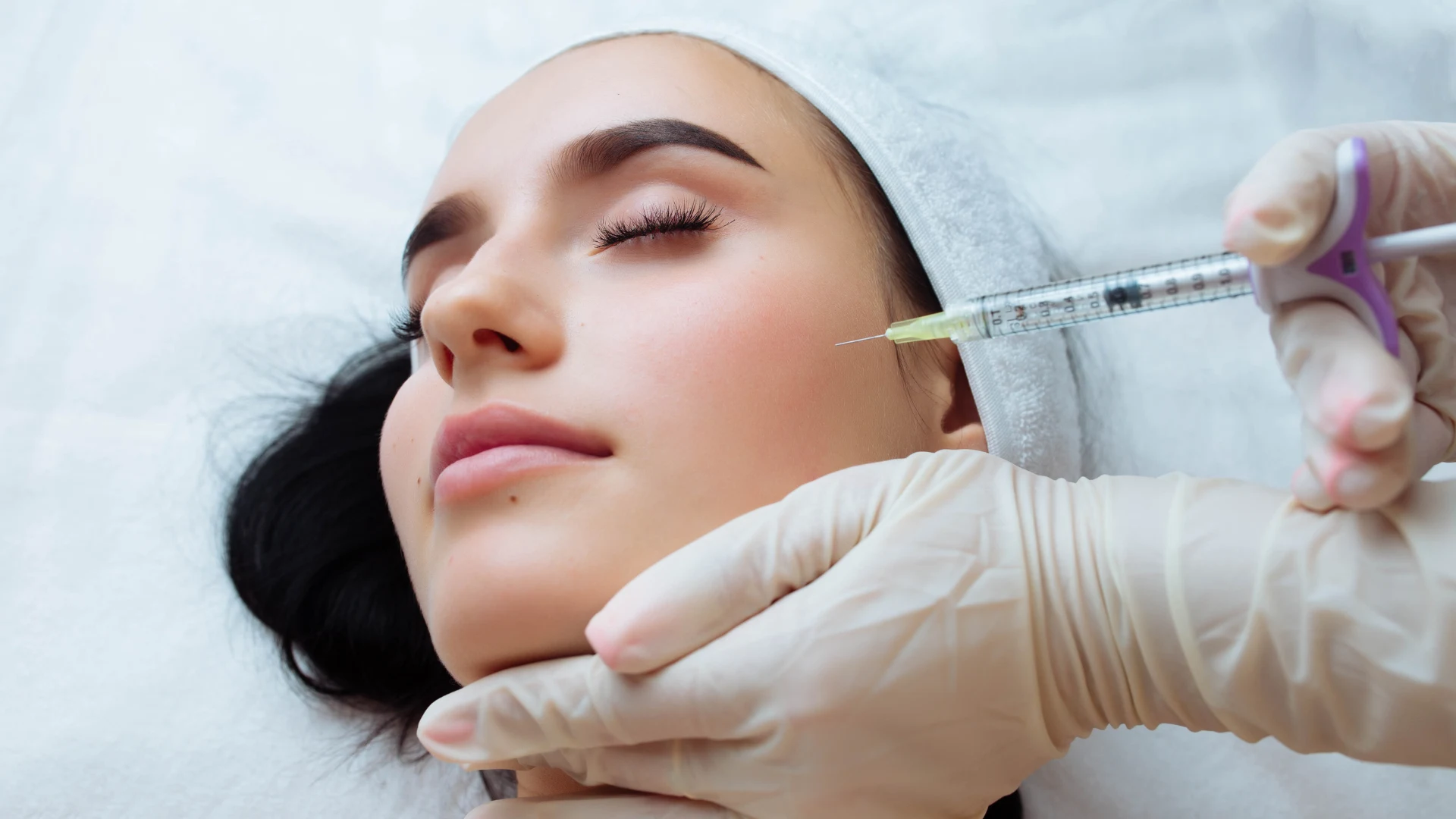
Excessive underarm sweating can become frustrating when it affects your clothing choices, confidence or daily routine. Even after using strong antiperspirants, some people continue experiencing noticeable sweat patches throughout the day. This condition, known as axillary hyperhidrosis, may respond well to a treatment that works differently from ordinary deodorants and antiperspirants.
Botox in Islamabad offers a non-surgical option for managing excessive underarm sweating. Instead of simply masking body odour or absorbing moisture, Botox temporarily blocks the nerve signals that activate sweat glands. This can significantly reduce sweating in the treated area and help people feel more comfortable in everyday situations.
Why Do Your Underarms Sweat Excessively?
Sweating is a normal body function that helps regulate temperature. When your body becomes warm, nerves signal the sweat glands to release moisture, which cools the skin as it evaporates.
However, some people experience excessive sweating even when they are not exercising, feeling hot or physically active. This may be a sign of primary focal hyperhidrosis, a condition in which certain sweat glands become overactive.
Common contributing factors include:
-
Overactive nerve signals: The nerves responsible for activating sweat glands may trigger excessive sweating.
-
Genetic factors: Primary hyperhidrosis can run in families.
-
Emotional triggers: Stress, nervousness and anxiety may increase sweating.
-
Medical conditions: Thyroid disorders, infections and certain other health problems can cause excessive sweating.
-
Medications: Some prescription medicines may increase perspiration as a side effect.
Excessive sweating is not necessarily related to poor hygiene. People with hyperhidrosis may sweat heavily despite regular bathing and appropriate personal care.
How Does Botox Stop Underarm Sweating?
Botox works by temporarily interrupting communication between nerves and sweat glands. The active ingredient, botulinum toxin type A, blocks the release of acetylcholine, a chemical messenger involved in activating eccrine sweat glands.
When this signal is reduced, the treated sweat glands produce considerably less moisture.
Unlike treatments that affect the entire body, underarm Botox works locally in the injected area. It does not permanently destroy sweat glands or prevent your body from sweating elsewhere.
The main benefit is targeted sweat reduction without surgery. This can be particularly helpful for people whose excessive sweating is concentrated around the underarms.
Who Is a Suitable Candidate for Underarm Botox?
Underarm Botox may be suitable for adults experiencing persistent underarm sweating that interferes with daily activities.
You may consider discussing this treatment if:
-
Your underarms sweat excessively even in cool environments.
-
Sweat patches regularly appear on your shirts or other clothing.
-
Strong antiperspirants have not provided sufficient relief.
-
Sweating affects your confidence at work or social gatherings.
-
You prefer a non-surgical option for managing localised sweating.
However, not everyone with excessive sweating needs Botox. A medical assessment is important to identify whether the condition is primary hyperhidrosis or related to another health issue.
Sudden, unexplained or generalised sweating deserves medical evaluation, particularly when accompanied by fever, unexplained weight loss, chest discomfort or night sweats.
What Happens During Underarm Botox Treatment?
The procedure involves injecting small amounts of Botox into multiple points across the affected underarm area. Because the sweat glands are distributed throughout the skin, treatment requires a carefully planned injection pattern.
The process generally includes:
Initial consultation: The practitioner reviews your sweating history, previous treatments and medical background.
Treatment area assessment: The underarms are examined to identify the area requiring treatment. A starch-iodine test may sometimes be used to map active sweating.
Skin preparation: The area is cleaned, and a suitable method may be used to minimise injection discomfort.
Botox injections: Small amounts are administered at multiple points beneath the skin using a fine needle.
Aftercare guidance: You receive instructions about caring for the treated area and when to return for follow-up.
The procedure generally takes around 20–30 minutes, although the duration can vary. Most people return to their regular activities shortly afterwards.
When Will You Notice Reduced Sweating?
Underarm Botox does not stop sweating immediately after injection. The nerve signals responsible for activating the sweat glands gradually become less effective.
Many people begin noticing reduced perspiration within a few days, with more noticeable results developing over approximately one to two weeks.
The amount of improvement varies, but clinical studies have demonstrated substantial reductions in underarm sweating for many appropriately selected patients.
Results commonly last around four to six months, although some individuals experience relief for longer or shorter periods.
As the effects gradually wear off, sweat gland activity returns and sweating may become noticeable again.
Does Underarm Botox Stop All Sweating?
No. Botox reduces sweating in the treated area rather than eliminating the body's natural ability to sweat.
Your body contains millions of sweat glands across different regions, and underarm injections target only the selected area.
This distinction is important because sweating plays a role in temperature regulation. Underarm Botox does not normally prevent the body from cooling itself through other areas.
The goal is to manage excessive localised sweating, not to stop normal perspiration throughout the body.
What Are the Benefits of Underarm Botox?
For people with persistent underarm hyperhidrosis, treatment may offer several practical benefits.
Reduced sweat patches: Less moisture can make clothing choices more comfortable and reduce visible underarm marks.
Improved daily confidence: Managing excessive sweating may help people feel more comfortable during meetings, social events and everyday interactions.
Targeted treatment: Botox works in the injected area without requiring a systemic medication.
Non-surgical approach: The procedure does not involve incisions or a lengthy recovery period.
Temporary but meaningful relief: Many patients experience several months of reduced underarm sweating before repeat treatment is considered.
Are There Any Side Effects?
Underarm Botox is generally well tolerated when administered by a qualified medical professional. However, temporary side effects can occur.
Possible reactions include:
-
Mild pain or discomfort during injections
-
Temporary redness or swelling
-
Small bruises around injection points
-
Localised tenderness
-
Headache in some individuals
-
Rarely, unwanted weakness if the toxin affects nearby muscles
People with certain neuromuscular conditions, relevant allergies or infections at the intended injection sites may not be suitable candidates.
A proper medical history and assessment should always come before treatment. Your practitioner should also explain the possible risks and expected duration of the results.
Botox vs Antiperspirants for Underarm Sweating
Both treatments can help manage excessive sweating, but they work differently.
| Feature | Botox | Antiperspirants |
|---|---|---|
| Main action | Blocks nerve signals to sweat glands | Reduces sweat release by blocking sweat ducts |
| Application | Multiple injections | Applied directly to the skin |
| Duration | Usually several months | Requires regular application |
| Treatment approach | Medical procedure | Topical product |
| Best suited for | Selected cases of persistent hyperhidrosis | Mild to moderate sweating and first-line management |
Clinical-strength antiperspirants, particularly aluminium chloride formulations, are often considered before injectable treatment. If they do not provide sufficient relief or cause irritation, a medical professional may discuss other options, including Botox.
Frequently Asked Questions
Does Botox permanently stop underarm sweating?
No. Botox temporarily blocks the nerve signals that activate sweat glands. As its effects wear off, normal sweating gradually returns.
Is underarm Botox painful?
Most people experience mild discomfort from the injections. A fine needle is used, and cooling or other comfort measures may be available to reduce sensitivity.
How long does underarm Botox last?
Results commonly last around four to six months, although individual responses vary.
Can I use deodorant after underarm Botox?
Usually, yes. However, your practitioner may recommend waiting until the injection sites have settled before applying deodorant or other products.
Does Botox for underarm sweating cause compensatory sweating?
Significant compensatory sweating is not commonly associated with localised underarm Botox. However, individual responses vary, and any unusual change in sweating should be discussed with your practitioner.
Is Botox better than antiperspirants for hyperhidrosis?
Not necessarily. Antiperspirants are commonly the first treatment option. Botox may be considered when these products are ineffective, poorly tolerated or insufficient for managing excessive sweating.
Manage Excessive Underarm Sweating With Expert Care
Persistent underarm sweating can affect more than just your clothing; it may also influence confidence and everyday comfort. Underarm Botox offers a targeted, non-surgical option for reducing excessive sweat production in suitable patients. At Dynamic Aesthetic Clinic, experienced medical professionals assess individual concerns, explain available treatment options and develop personalised care plans. If you are considering Botox in Islamabad, a consultation can help determine whether underarm injections are appropriate for managing your sweating.
Meta Description: Learn how Botox in Islamabad helps reduce excessive underarm sweating, how long results last and what to expect from treatment.

 English
 Arabic
 Spanish
 Portuguese
 Deutsch
 Turkish
 Dutch
 Italiano
 Russian
 Romaian
 Portuguese (Brazil)
 Greek